
8 Best Deep Water Culture Systems (October 2026)
Deep water culture puts a plant's roots directly into a bucket of aerated nutrient solution, and almost nothing else. There is no soil, no drip line to clog, no channel that can dry out mid-cycle. That simplicity is why the best deep water culture systems for home growers keep pulling the same forum recommendations, and why growers who came for lettuce and basil often stay for a decade.
I have run DWC setups long enough to know the difference between a kit that looks good in a listing and one that survives a full grow cycle. The difference is almost never the brand name. It comes down to how much usable water sits under the net pot, whether the lid actually blocks light, and whether you can check pH without dismantling the plant. I compared eight systems across capacity, aeration, port access and maintenance load, and I read what buyers say after the first harvest, not before it.
Below is the same list I would hand a friend, organized by what you actually need: one plant on a countertop, four lettuce heads in a closet, or a full tent of fruiting crops. Testimonials are the loudest signal in this category, so I weighted long-term owner feedback heavily, and every rating below is copied straight from the product listing rather than rounded up for enthusiasm.
What Deep Water Culture Is and How the System Works
Deep water culture (DWC) is a hydroponic method in which plant roots hang submerged in an aerated nutrient solution inside an opaque reservoir, with the crown held in a net pot above the waterline. An air pump pushes air through an air stone, bubbles rise to the surface, and those bubbles deliver the dissolved oxygen the submerged roots need. You manage three things by hand: pH, nutrient strength and water level.
That is the whole mechanism. No pump moves water through the system, so there is no circulation failure mode. When something goes wrong it is almost always light hitting the reservoir, water getting too warm, or a plant being moved when its roots did not want to be disturbed.
One specification deserves more attention than any other, and it is the one most listings bury. A bucket labelled 5 gallons is not 5 gallons of usable water. The net pot and its growing medium displace volume, the lid and plumbing take more, and you need an air gap between the waterline and the base of the net pot so the crown stays dry. On a typical 5 gallon bucket that leaves closer to half the nominal volume in water, which is why mature plants drink through a bucket faster than the label suggests.
Get that number right before you buy and the rest of the decision is straightforward.
Our Top 3 Deep Water Culture Systems for Home Growers in 2026
Our top pick is the VIVOSUN four-bucket top drip kit: it pairs four independent 5 gallon buckets with a 25 L/min air pump, four drip rings and a 36-piece parts list, so nothing has to be bought separately. The highest rated option on the list is the PowerGrow Systems single-bucket kit at 4.6 stars across 700 reviews, and it is the least intimidating way in. For growers who want volume in one box, the VEVOR eight-bucket system gives you eight separate 5 gallon reservoirs and eight level indicators.

VIVOSUN 4-Bucket Top Drip Kit
- Four 5 gallon buckets with top drip rings
- 25 L/min air pump with four air stones
- 36-piece complete parts list
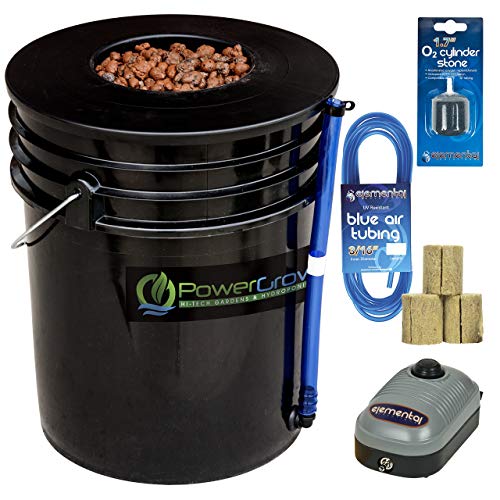
PowerGrow Systems 5-Gallon Bucket Kit
- Highest rated option in the group
- Pre-installed external water level tube
- 44 GPH pump with control dial and integrated drain

VEVOR 8-Bucket Hydroponic System
- Eight independent 5 gallon buckets
- Level device and check valve on every bucket
- 25 L/min pump with eight air stones
Comparing Every DWC System in This Roundup
Every system below is rated on the same criteria: usable reservoir size, whether the lid blocks light, how you take a pH reading, and what the air pump actually delivers. The systems differ far more in capacity per site and access than the marketing copy suggests.
| Product | Key Specs | Action |
|---|---|---|
| VIVOSUN 4-Bucket Top Drip Kit |
|
Check Latest Price |
| PowerGrow Systems 5-Gallon Bucket Kit |
|
Check Latest Price |
| VEVOR 8-Bucket Hydroponic System |
|
Check Latest Price |
 PowerGrow 4-Bucket Bubbler Kit PowerGrow 4-Bucket Bubbler Kit |
|
Check Latest Price |
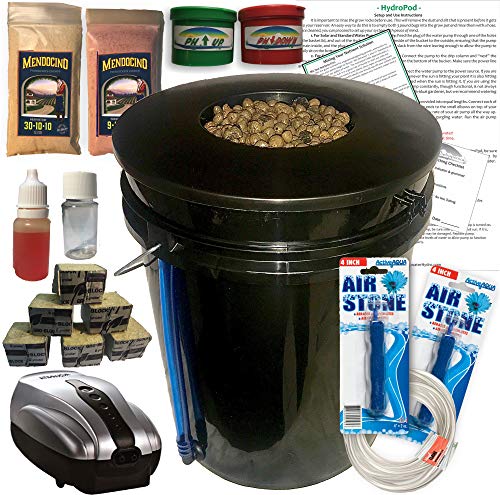 Atwater HydroPod 5-Gallon Kit Atwater HydroPod 5-Gallon Kit |
|
Check Latest Price |
 LAWNFUL 4-Bucket Kit LAWNFUL 4-Bucket Kit |
|
Check Latest Price |
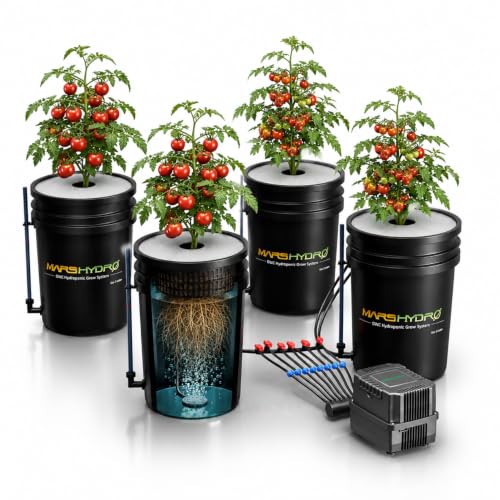 MARS HYDRO 4-Bucket System MARS HYDRO 4-Bucket System |
|
Check Latest Price |
 Spider Farmer 4-Bucket Kit Spider Farmer 4-Bucket Kit |
|
Check Latest Price |
1. VIVOSUN 4-Bucket Top Drip System - The Most Complete Four-Site Kit
VIVOSUN DWC Hydroponics Grow System with Top Drip Kit 4 Buckets
4 x 5 gallon PP buckets
25 L/min 15W air pump
4 drip sets and 4 air stones
36 pieces
+ Pros
- Complete four-site kit with air pump
- drip rings
- tubing and clay pebbles in one box
- Fast assembly at roughly 10 to 15 minutes
- Independent buckets allow mixed crops and staggered cycles
- Top drip ring keeps nutrient solution moving for root uptake
- Cons
- Getting the black hose through the lid grommets is fiddly
- Blue flow control valves are basically on or off
- Shared air line couples all four buckets to one pump
The VIVOSUN system is the one I recommend first, and the reason is completeness rather than any single specification. Everything a four-site DWC setup needs arrives in one box: four 5 gallon polypropylene buckets, four 8 inch net baskets, four drip irrigation sets, a 25 L/min air pump rated at 15W, four flow regulators, 12 meters of air tubing, four air stones, four packs of clay pebbles, four water level indicators, a check valve and air valves. That is the 36-piece count in the listing.
Owners report assembly in 10 to 15 minutes with readable instructions, which matters more than it sounds when you are standing in a closet with a bucket of parts. The external water level tube doubles as a drain, and the lids fit any standard 5 gallon bucket, so adding a fifth site later is straightforward.
Growth results are the other headline. Reviewers describe markedly faster growth than coco or perlite, including one who harvested hundreds of cucumbers over four months and another who measured six-week growth far exceeding soil media. At 4.3 stars across 844 reviews, this is the most reviewed system in the group, which means more long-term feedback exists for it than for anything else on this list.
Top drip changes how the reservoir behaves
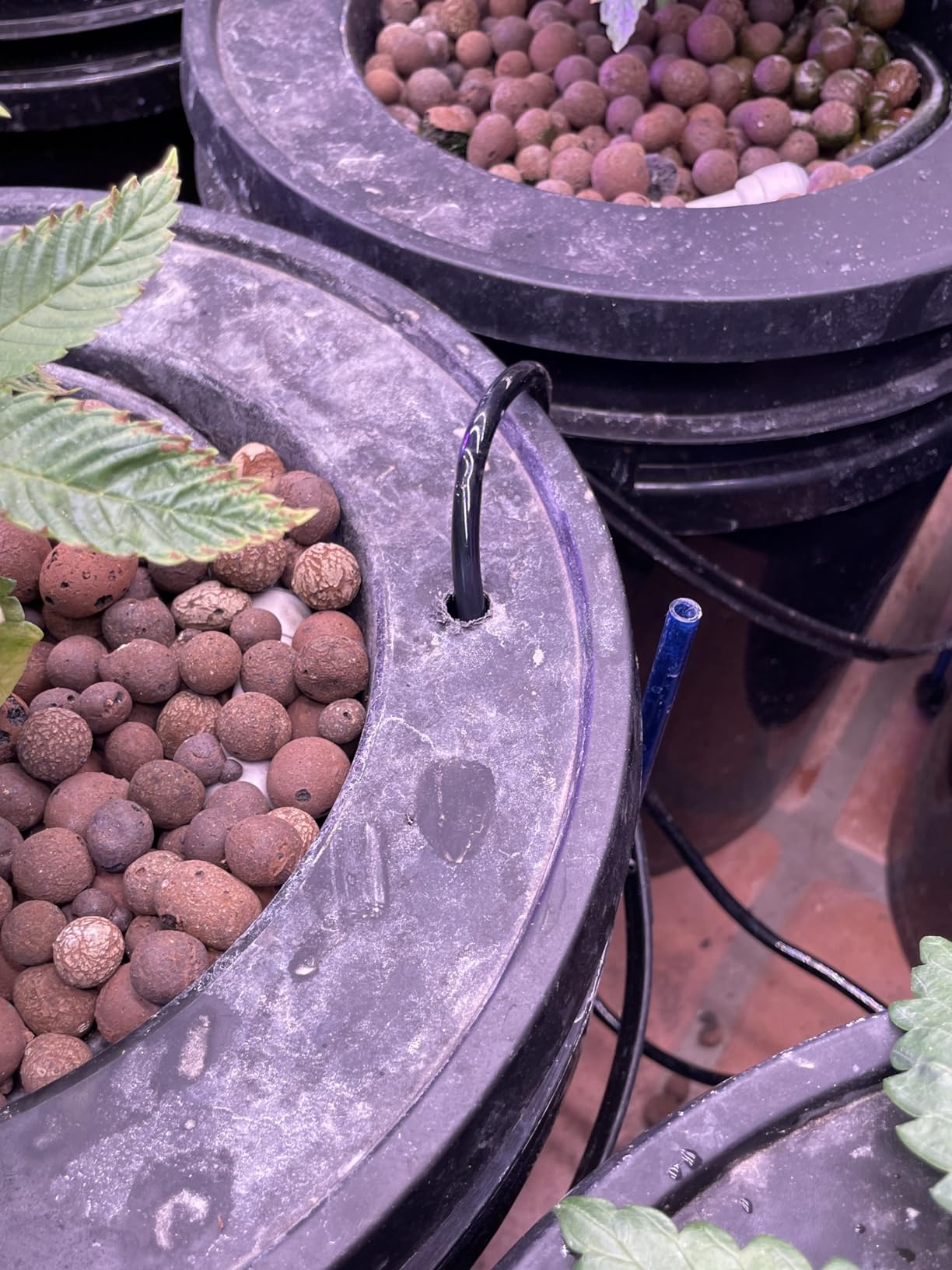
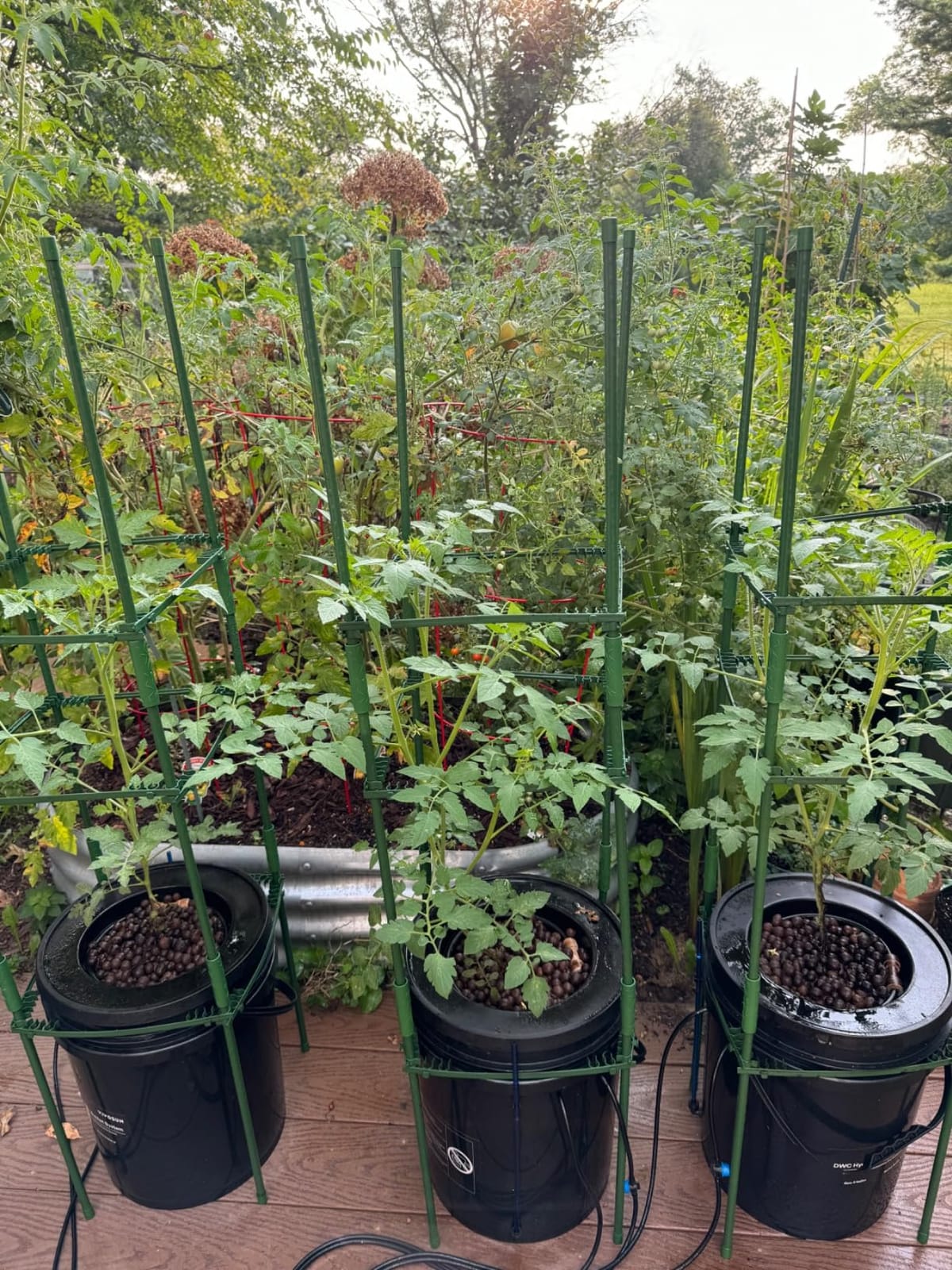
The drip ring is the feature that separates this kit from a plain bubble bucket. A ring over each net pot recirculates nutrient solution across the medium, which keeps the root zone wet from above and slows stagnation at the surface of the water. In practice this means the top of the root mass stays active instead of relying entirely on submerged roots.
It also means the ring should not run continuously. Owners who put the drip on a timer report far less sputter noise, and one of the most common tips in the reviews is exactly that: run the drip intermittently and leave the air stone doing the constant work.
Four independent sites, one shared air pump
Independent planting units are a real advantage. You can run basil in one bucket and strawberries in another, replace a failed plant without touching the rest, or stagger plantings so harvests do not all land in the same week.
The tradeoff is that the air line is interconnected across all four buckets, so one shared air unit has to serve every site. That is fine at this scale, but it means a pump failure affects the whole system rather than a single plant.
Where the build quality shows its seams
Two practical complaints come up repeatedly. Getting the black drip hose through the lid grommets is genuinely awkward, and hot water over the hose softens it enough to pass. The second is the blue flow control valves, which turn only about a quarter rotation and therefore behave as on or off rather than as a throttle.
Some tubing ports sit on the bucket rather than the lid, which means drilling if you want a cleaner run, and the included airline length can be short if the pump lives outside a tent. None of these are dealbreakers. All of them are things you will discover at assembly instead of after a failed crop.
2. PowerGrow Systems 5-Gallon Bucket Kit - The Highest Rated Starter
Deep Water Culture (DWC) Hydroponic Bucket Kit 5 Gallon, 6 inch
5 gallon HDPE bucket
6 inch basket lid
44 GPH adjustable air pump
6.3 lb total
+ Pros
- Highest average rating in the roundup at 4.6 stars across 700 reviews
- Pre-installed external water level tube
- About 30 minutes from box to first plant
- Water changes can be deferred for three to four weeks
- Cons
- Single site only
- Water level tube becomes hard to read as roots fill the bucket
- Air pump is on the weak side and some units have failed
This is the most recommended beginner kit in the category, and the 4.6 star rating across 700 reviews is the highest on this list. Roughly three quarters of reviews are five star, which is unusual for a product with more than 700 ratings and is a strong signal that the experience is consistent rather than occasionally excellent.
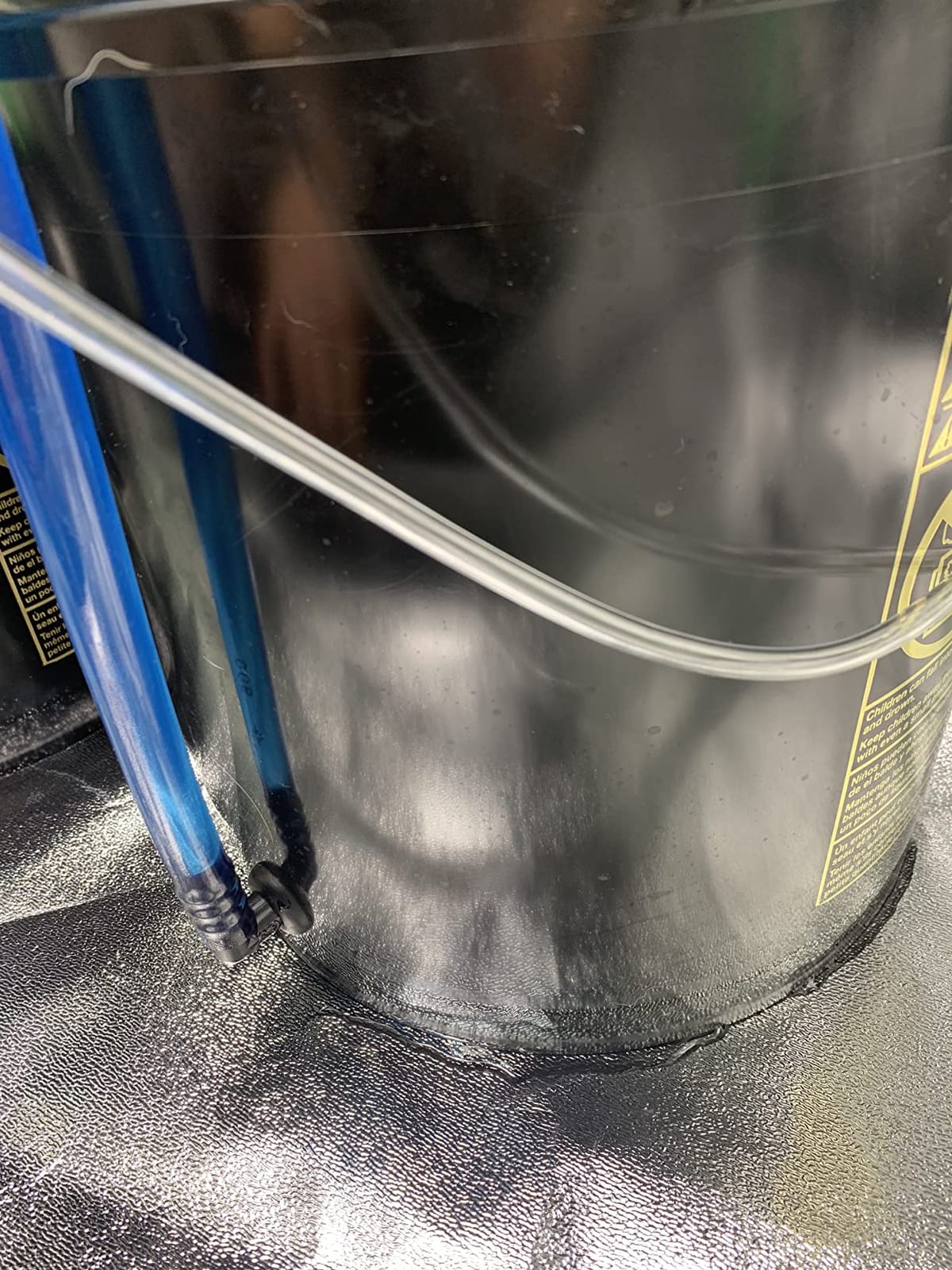
What earns that score is not power. It is the pre-installed external blue water level indicator tube, which is praised in almost every review. In a sealed bucket system, checking water level usually means lifting the lid and disturbing roots. This kit gives you a window into the reservoir from outside, and that single feature removes the most common source of early root problems for new growers.
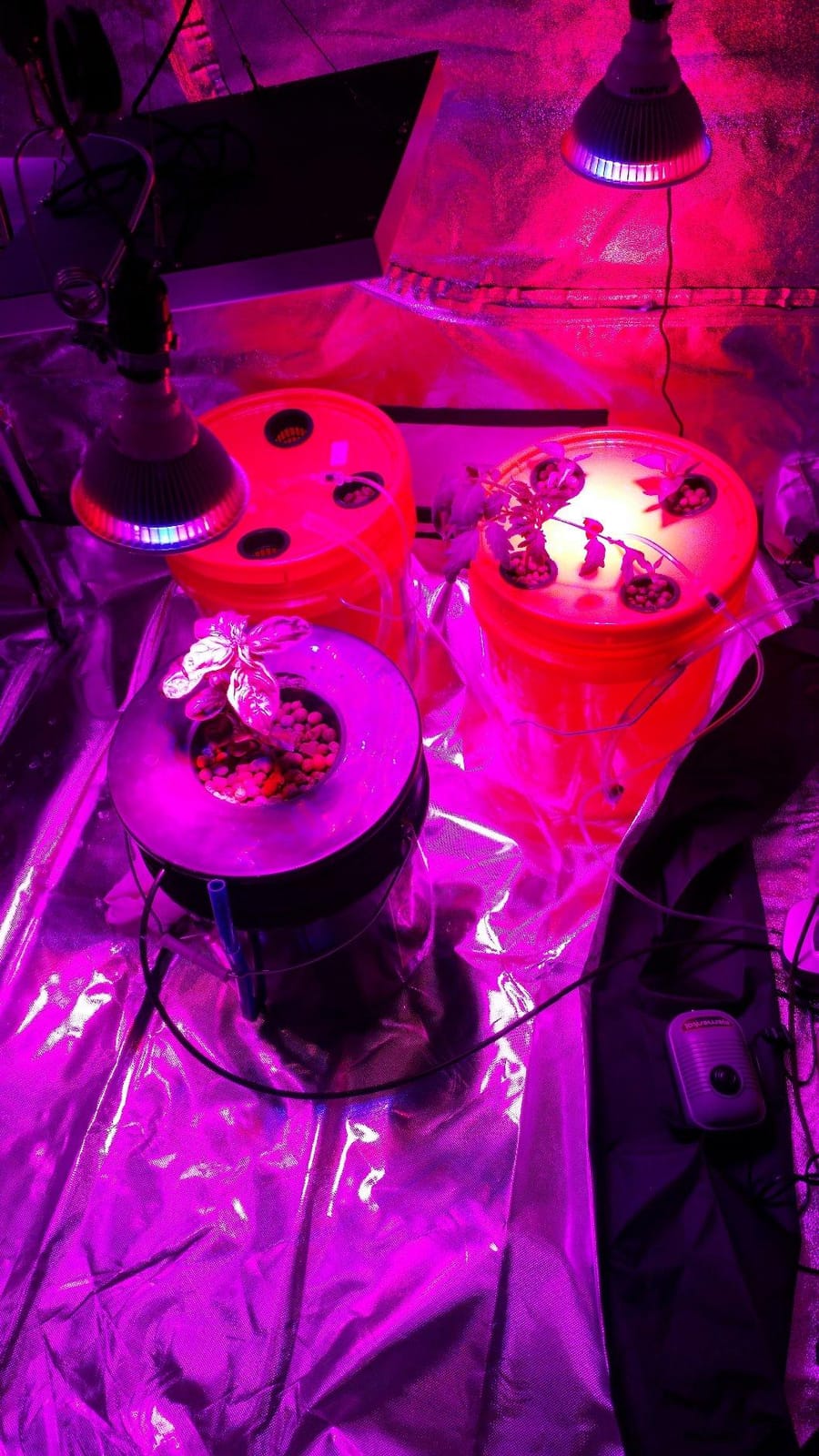
Setup takes about 30 minutes: add water, balance pH, add nutrients, insert the plant, plug in the pump. The box also includes rockwool seed starting plugs and grow stones, so a first-time grower does not have to make a second purchase before planting.
Airflow, drain access and refill cadence
The included pump moves 44 GPH through a control dial, so airflow is adjustable. Owners describe it as quiet and well built for its plain appearance, and the bucket drain makes water changes genuinely easy. Several reviews note that a full water change can be deferred for three to four weeks while the plants are established, which is a real difference in daily workload compared with smaller reservoirs.
The honest limitation is the pump itself. Multiple buyers report that the included unit is on the weak side and that some failed within weeks. The standard advice from experienced owners is to keep this kit as a starter and upgrade to a heavier-duty pump with two outlets once you know how hard your particular plants push.
The 6.3 pound weight is worth noting too. A single 5 gallon bucket you can lift onto a counter and carry to a sink is a genuinely different experience from moving a multi-bucket system, and for a first grow it matters more than most specs suggest.
Who should buy the single bucket
Buyers consistently describe it as a system you will eventually modify. The 6 inch basket lid fits any standard 5 gallon bucket, so extra sites can be added one at a time with a cheap bucket and a second pump outlet. The reviews mention adding a small water transfer pump for reservoir changes and monitoring pH and calcium to prevent blossom end rot on fruiting crops.
Two complaints are fair. The water level tube becomes hard to read once roots fill the bucket, and a dip stick is often needed. The pre-drilled hole for the tube is also reported as oversized and off-center in some units, which makes the seal less tidy than it should be.
Limited written directions remain the most-cited documentation gap. If you have never run a hydroponic system, budget an extra evening reading about pH before you start rather than assuming the included sheet covers it. The one-year USA manufacturer warranty is a modest reassurance that this design has been produced for a long time.
3. VEVOR 8-Bucket System - Maximum Plant Sites in One Package
VEVOR DWC Hydroponic System, 5 Gallon 8 Buckets, Deep Water Culture Growing Bucket, Hydroponics Grow...
8 x 5 gallon buckets
5 inch basket each
25 L/min 10W pump
25.4 lb total
+ Pros
- Eight independent 5 gallon reservoirs in one package
- Side-mounted water level devices on every bucket
- Inline check valves and tight seals designed to prevent leaks
- Complete accessory list with no separate purchases needed
- Cons
- 5 inch baskets limit root volume for large fruiting plants
- 25.4 pound total weight is bulky to move
- Buckets are independent so top-off happens per bucket
The VEVOR eight-bucket system answers a specific question: what do you do when you want a lot of plants and you want to be able to isolate problems? This kit gives you eight separate 5 gallon buckets, roughly 151 liters of nominal capacity, each with its own 5 inch basket, water level device, check valve and air stone. At 4.4 stars across 317 reviews with 70 percent five-star feedback, it holds up well.
Its Amazon sales rank is the strongest of any kit here, sitting in the top ranks of Hydroponic Growing Kits and Systems, which tells you something about how much of the category's traffic flows through this listing. Reviewers consistently value capacity relative to what you spend, and the sealed construction with inline check valves is specifically credited with preventing leaks and reverse flow.
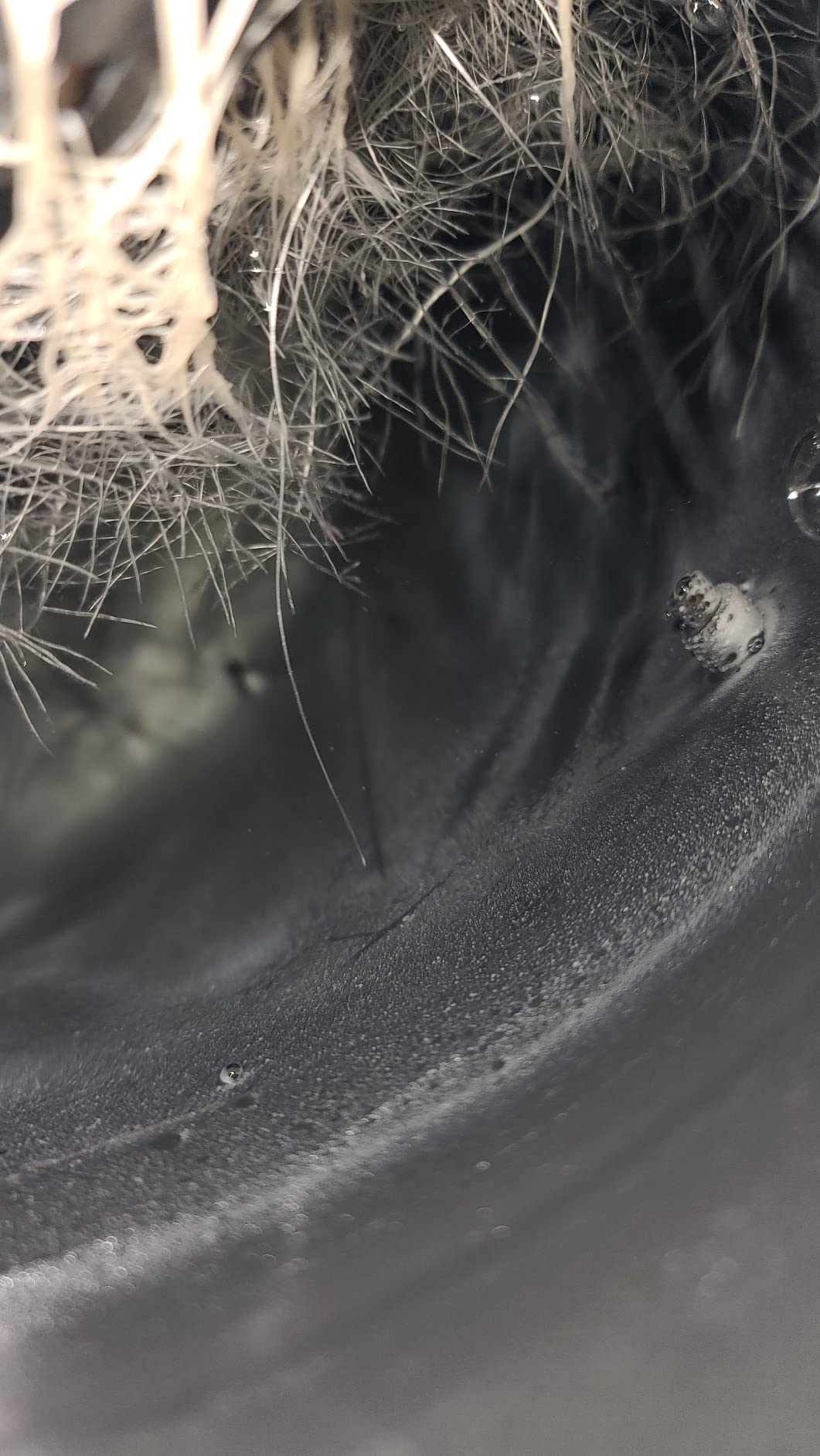
The side-mounted water level devices let you check on a bucket without opening the lid. That matters more here than on a single-bucket kit, because with eight reservoirs you will be walking around checking all of them.
Eight buckets means eight separate routines
This is the decision point most buyers miss. The buckets are independent, not plumbed to a shared reservoir, so top-off and sampling happen bucket by bucket. If you are running eight sites you are doing eight water checks, and the maintenance scales linearly with plant count rather than with system complexity.
That is not a flaw. Isolation is genuinely valuable: a root problem, an algae bloom or a failed site stays contained in one bucket instead of taking down seven others. For a grower working at commercial-adjacent scale, that is worth more than a shared reservoir.
Where the sizing falls short
The 5 inch baskets are the main caveat. They fit lettuce, leafy vegetables, herbs and strawberries comfortably, but reviewers repeatedly note the limited root volume for larger fruiting plants. A tomato or a heavily fruited pepper in a 5 inch basket inside a 5 gallon bucket will outgrow the space faster than the plant outgrows the water.
The air pump is 10W with 25 L/min of airflow, which is modest for aerating eight separate buckets, especially once root mass is dense. At 25.4 pounds the full set is genuinely bulky to move, and the 11.81 by 11.81 by 14.96 inch footprint per bucket assumes you have floor or shelf space for eight of them. Clay pebbles and an instruction manual are included.
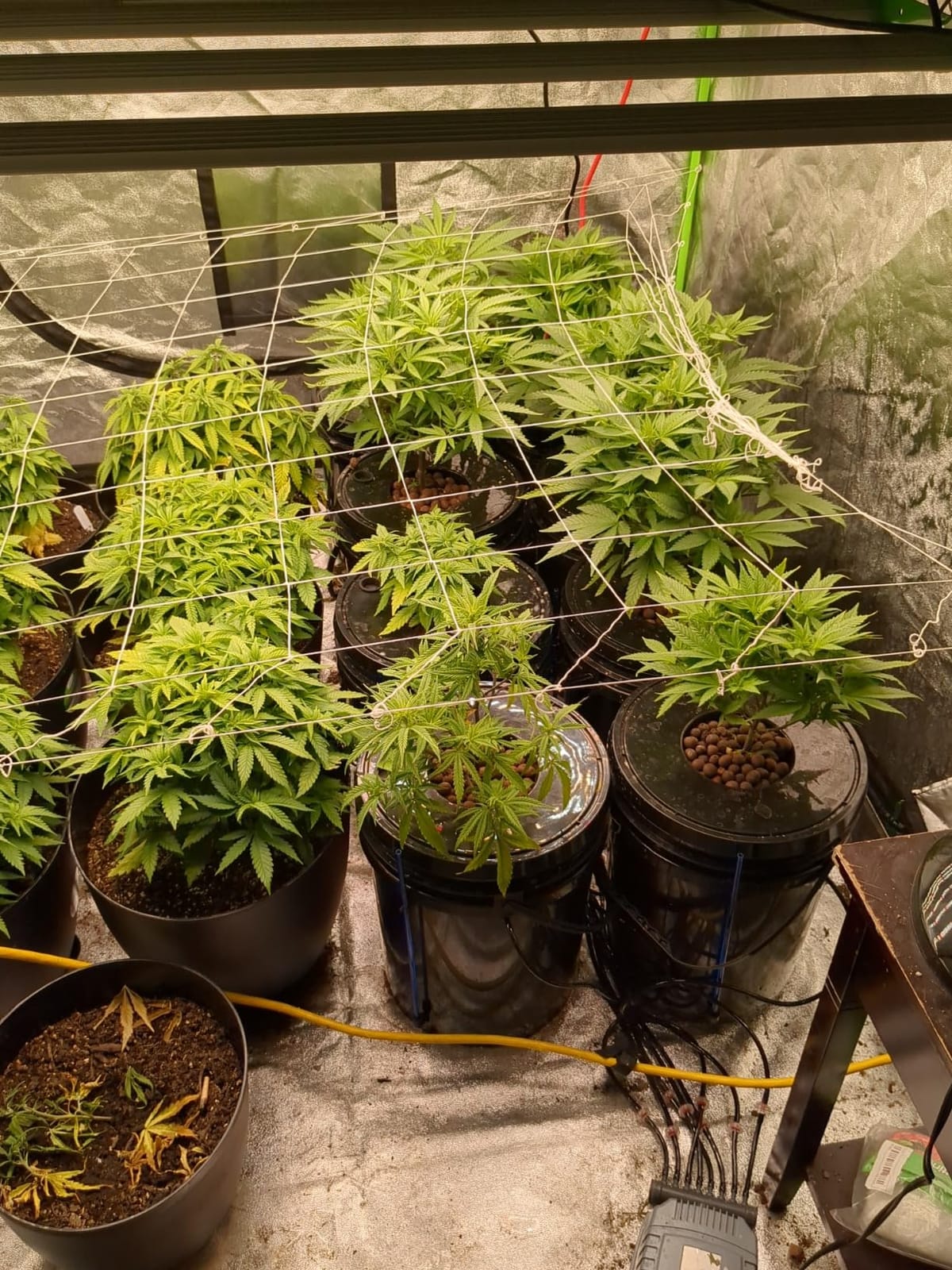
For leafy vegetables in quantity, this is the configuration I would pick. For heavy feeders, look at a system with 6 inch or 7 inch net cups and more water per site.
4. PowerGrow Systems 4-Bucket Bubbler Kit - Four US-Made Sites
Deep Water Culture (DWC) Hydroponic Bubbler Bucket Kit by PowerGrow ® Systems (4) 5 Gallon...
4 x 5 gallon buckets
6 inch basket lids
Air pump, lines and stones included
18 lb total
+ Pros
- Four growing sites in one purchase
- Each bucket has its own water level indicator and drain
- Made in the USA with a one-year workmanship warranty
- Independent buckets isolate a problem to a single site
- Cons
- Buckets are independent rather than connected to a shared reservoir
- 18 pound weight makes the set awkward to reposition
- Included air pump is better suited to beginners than heavy feeding
This is the same design philosophy as the single-bucket PowerGrow kit, scaled to four sites, and it shares most of that kit's strengths. Four 5 gallon buckets, four 6 inch basket lids, an air pump, air lines and air stones. Each bucket has its own water level indicator and drain, so a water change on one plant does not disturb the other three.
At 4.4 stars across 309 reviews with 68 percent five-star feedback, the ratings are solid. Buyers value the four-site capacity and the practical detail of per-bucket level indicators and drains, which is what makes mixed-crop growing straightforward: basil in one, lettuce in two, strawberries in one, and a spare while a plant recovers.
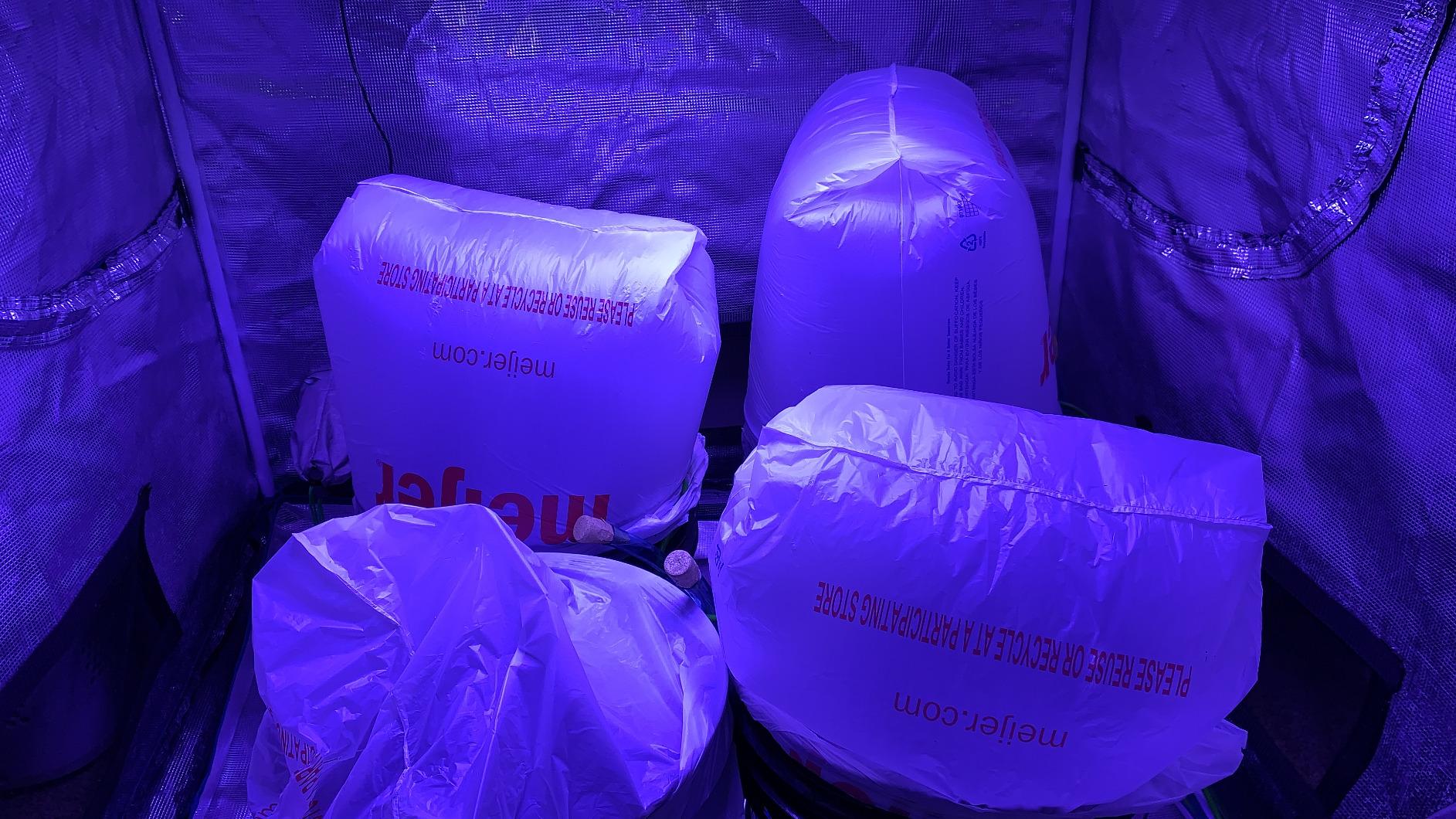
Made in the USA with a real warranty
This kit is manufactured in the USA and carries a one-year manufacturer warranty against defects in workmanship across the company's deep water culture line. That is a small detail that matters more than it sounds in a category full of unbranded bucket kits, because when a lid or a fitting fails you have somewhere to go.
The 6 inch basket lids are larger than the 5 inch baskets on the eight-bucket VEVOR kit, and that extra inch of net pot is the difference between a plant that stays comfortable at maturity and one that becomes root-bound. For crops like basil, peppers and larger lettuce varieties, that extra diameter is the spec that actually changes outcomes.
What the design does not solve
The buckets are independent rather than connected to a shared reservoir, so there is no recirculation between sites. The included air pump is the same modest unit found in the single-bucket version, and the standard advice is that it suits beginners better than growers running a heavy feeding schedule once plants are established.
At 18 pounds the four-bucket set is awkward to reposition, and the deep blue buckets look considerably less light-tight than black ones if light ever reaches the seal. Growth-stage planning is where this kit shines: four independent sites is exactly what you want for running a rotation.
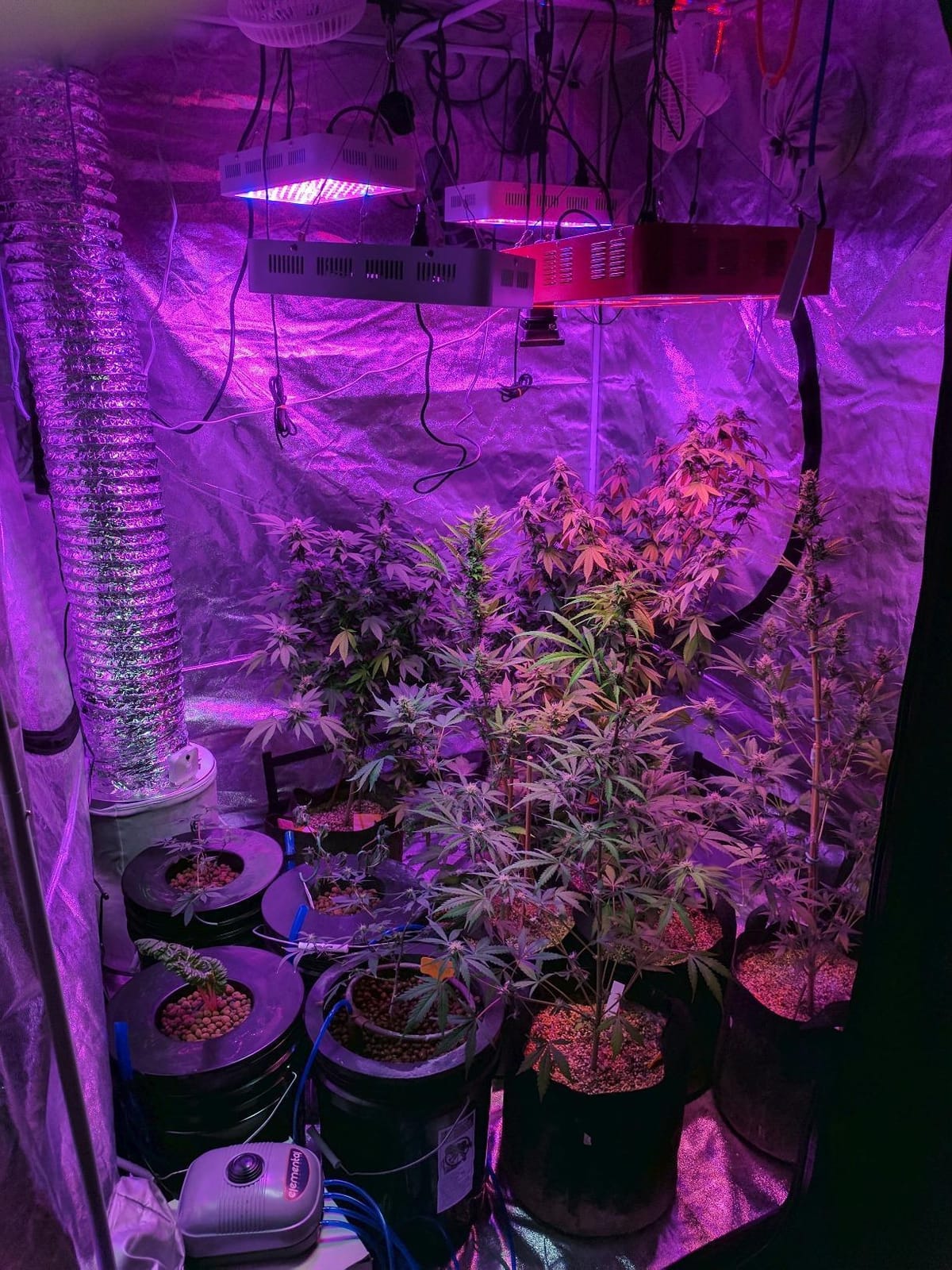
If you want four sites, per-bucket level visibility and a warranty, this is a strong pick. If you want drip irrigation on top, the VIVOSUN four-bucket kit covers more functions in one box.
5. Atwater HydroPod - The Kit With Nutrients and pH Supplies Included
The Atwater HydroPod - DWC Deep Water Culture Garden System Kit - 5 Gallon Bubble Bucket...
5 gallon food-grade USA bucket
Dual outlet DC pump
Nutrients and pH kit included
Turn-key setup
+ Pros
- Only kit here that ships nutrients and a pH testing kit in the box
- USA-made food-grade 5 gallon bucket
- Turn-key setup with all fittings included
- Dual outlet pump and two air stones for root oxygenation
- Cons
- Single site only
- Plastic net cup is smaller than the 6 inch lids on competing kits
- No top drip irrigation ring
- Bubble bucket style without a recirculating feed
The HydroPod solves a different problem from the rest of this list. Every other kit assumes you already have hydroponic nutrients and a way to test and adjust pH. The Atwater kit includes nutrient supplies and a pH testing and adjusting kit in the box, which removes the single largest barrier to a first hydroponic grow.
At 4.3 stars across 256 reviews, the feedback is consistently positive on exactly that point. Reviewers describe the sequence without ambiguity: add water, mix nutrients, test pH, insert the plant, plug in the pump. The recirculating design is also credited as the most water-efficient approach compared with traditional gardening, which matters if you are trying to grow in a small indoor footprint.
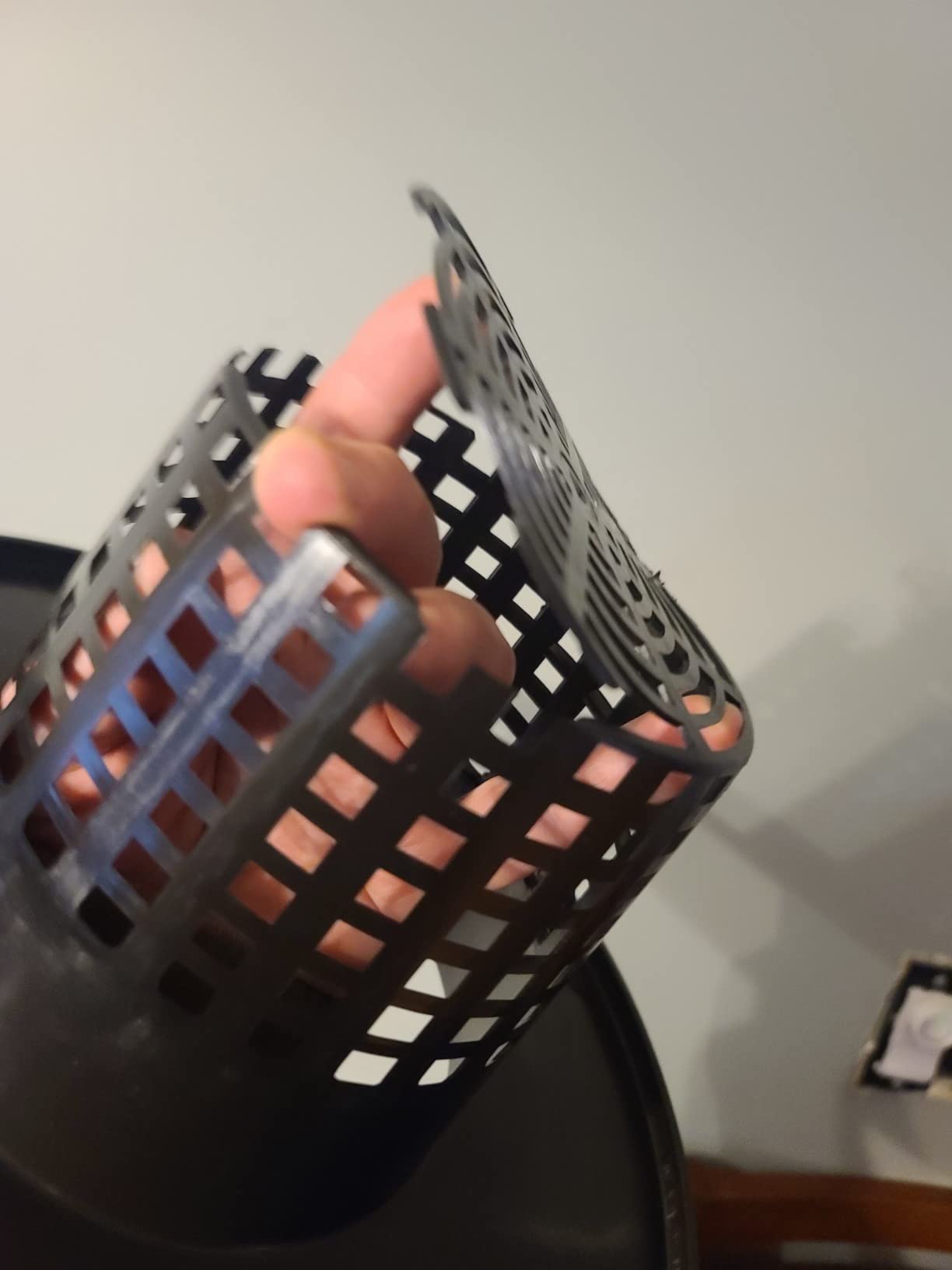
A food-grade bucket and a dual outlet pump
The 5 gallon black bucket is food-grade and made in the USA. The pump is a DC dual outlet kit paired with two air stones, giving each of the two outlets its own air stone rather than splitting a single line. That is a sensible arrangement for a small system because it lets you add a second site later without replacing the pump.
Every fitting and part needed for a turn-key setup is included across six pieces, and the unit is described as low maintenance and well suited to beginners, which matches what the review data shows.
Where it stops short
This is a one-plant system. Growing capacity is limited to a single site, so it is a starter unit rather than something you scale. The plastic net cup is smaller and less supportive than the 6 inch lids on competing kits, and there is no top drip irrigation ring, unlike the VIVOSUN, MARS HYDRO and Spider Farmer systems.
It is also a bubble bucket style without a recirculating reservoir feed, so water movement comes from the air stone alone. That is completely workable for leafy greens and herbs, and less ideal for a long cycle on a heavy feeder.
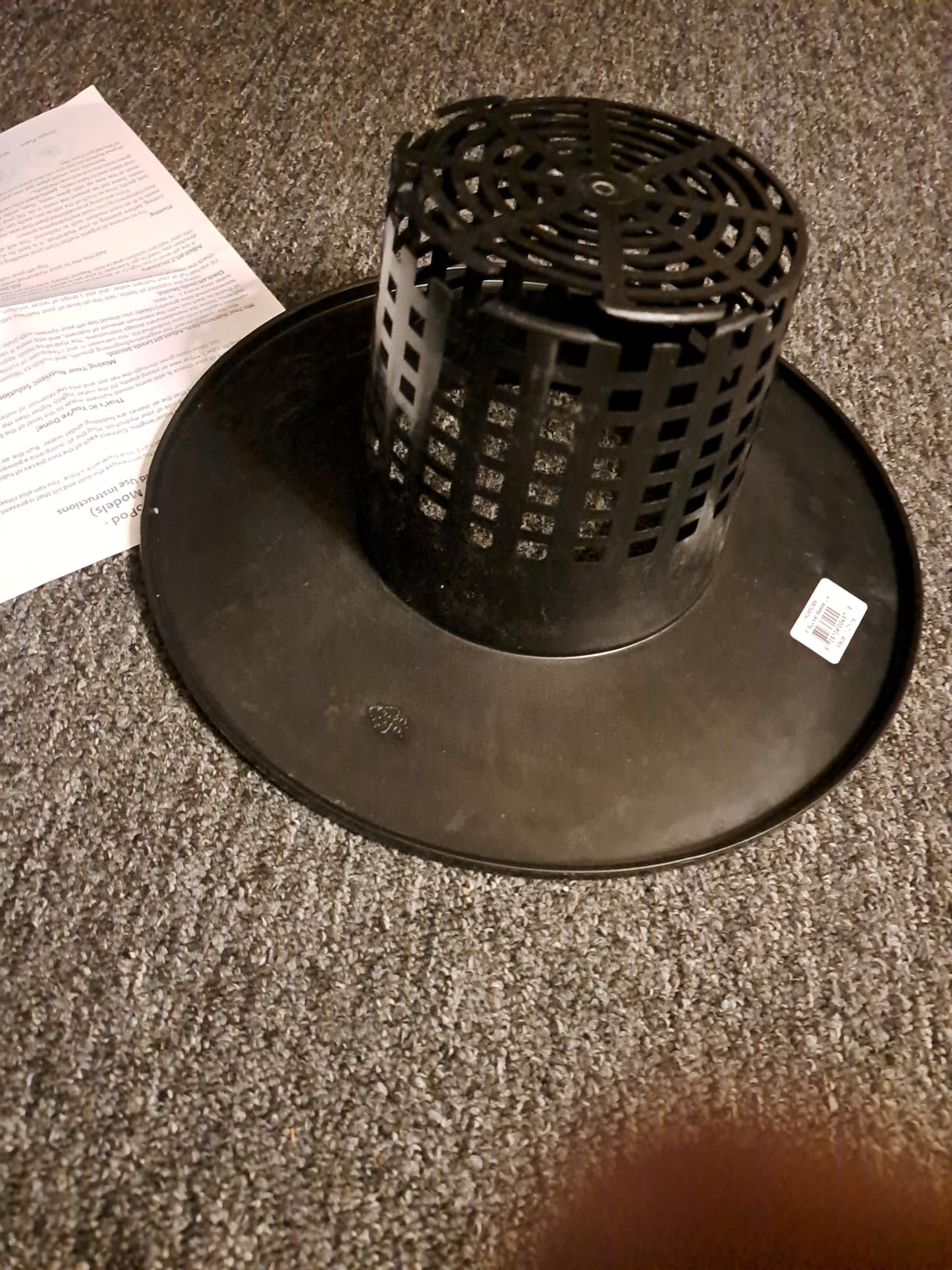
For someone deciding whether hydroponics is for them, this is the lowest-friction way to find out. For someone who already knows they want four or more plants, spend that effort on a multi-site kit instead and buy nutrients separately.
6. LAWNFUL 4-Bucket Kit - Twenty Plant Sites for Small Rooms
Lawnful 4 Hydroponic Buckets Kit for Plants, Hydroponics Growing System for Herbs/Tomato/Vegetables...
4 x 2.6 gallon buckets
5 grow pods per lid
Four-outlet air pump
9.53 lb total
+ Pros
- Only kit with a full propagation setup: two trays
- vented domes and 24 grow sponges
- Up to 20 plant sites across four buckets
- Small 2.6 gallon buckets keep the whole kit light at 9.53 pounds
- Water level indicator on every bucket
- Cons
- Lowest average rating in the group at 4.1 stars
- Small 10 liter buckets use water faster than 5 gallon models
- Five pods per lid crowds roots in a small bucket
- Basic four-outlet pump with modest airflow
This is the odd one out, and for a specific kind of grower it is the right answer. The LAWNFUL kit uses four 10 liter buckets, roughly 2.6 gallons each, with lids that hold five growing pods each, giving up to 20 plant sites in a footprint of 10.4 by 32 by 10.4 inches. At 9.53 pounds the whole thing is light enough to move with one hand.
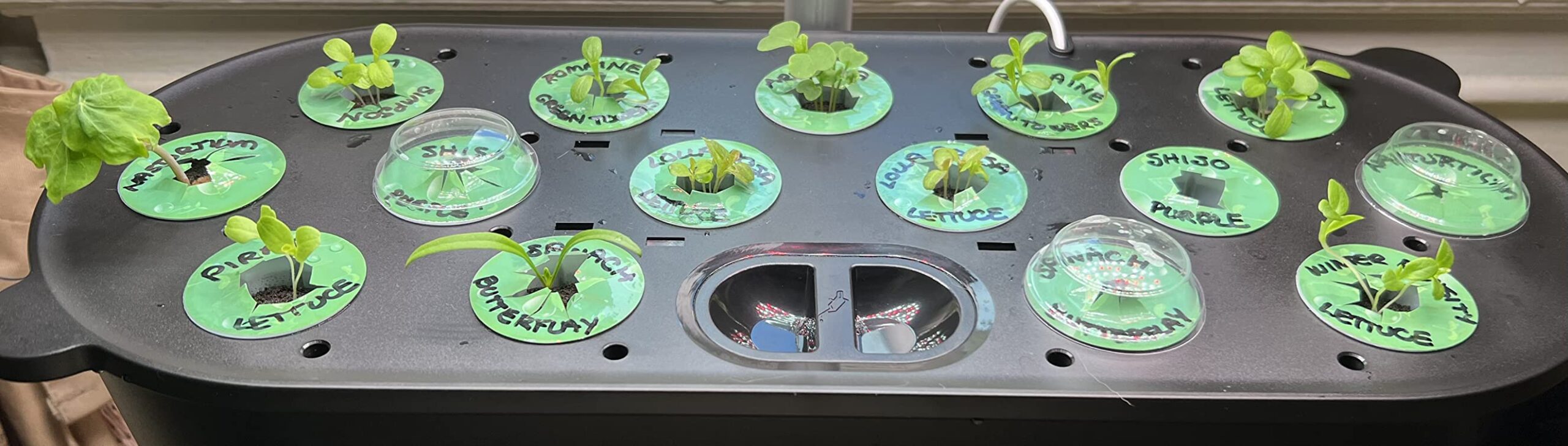
What genuinely distinguishes it is the propagation stage. Two 12-cell germination trays with vented humidity domes, 24 grow sponges, 24 grow baskets and 16 sponge cubes all ship in the box, and the sponges are pH balanced and contain micronutrients. No other kit here gives you a complete path from seed to harvest. If you have never propagated before, that is worth more than any pump specification.
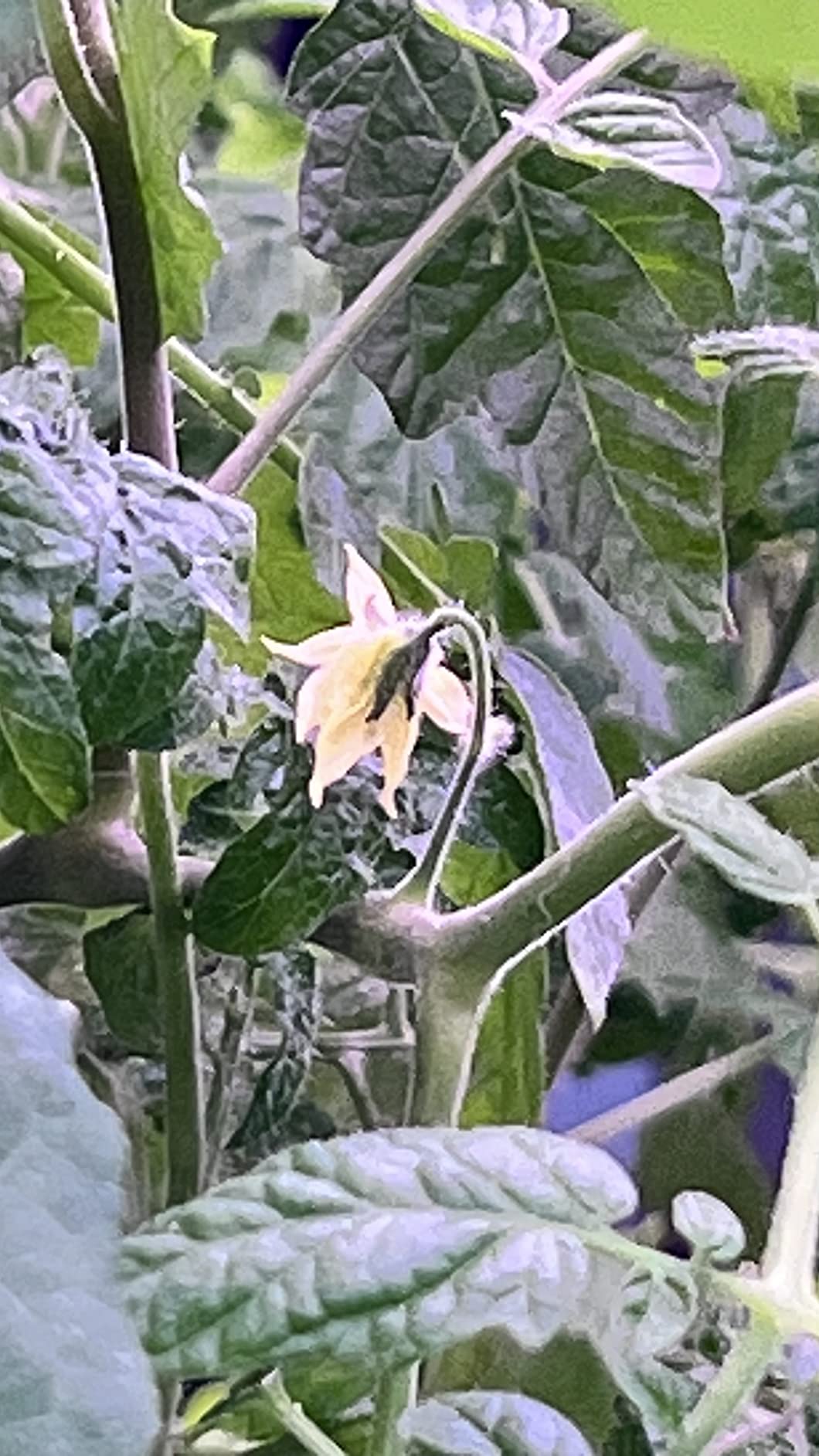
Herbs and leafy vegetables come up most often in reviews, and the layout suits growers working at small scale, including in a compact apartment or a balcony setup. The air pump has four outlets with adjustable flow, delivering up to 1 L/min per outlet, and each bucket gets a check valve, an air stone and 5 feet of tubing.
Why the rating is the lowest here
At 4.1 stars across 222 reviews, this is the lowest average rating in the roundup, with 10 percent one-star feedback. The one-star share concentrates on pump quality and on the ratio of bucket volume to pod count, and both criticisms are structural rather than isolated defects.
Five growing pods in a 2.6 gallon bucket crowds roots. It works for herbs and lettuce at modest sizes, which is how most owners use it, but it is not a configuration to scale a heavy feeder. Smaller buckets also consume water faster than 5 gallon models, so a top-off routine that works for one bucket becomes four.
There is no top drip irrigation ring and no recirculating reservoir, so movement comes from the four-outlet pump alone. The pump is a basic unit and the most common upgrade owners report is replacing it.
If your space is genuinely tight and you want a lot of small plants, this configuration is hard to argue with. If you have room for four 5 gallon buckets, the water headroom is worth having.
7. MARS HYDRO 4-Bucket System - Recirculating and Top Drip in One
MARS HYDRO DWC 4‑Bucket Hydroponic System with Pump & Drip
4 x 5 gallon buckets
2-in-1 recirculating plus top drip
11W air pump
Visual level indicators
+ Pros
- Two-in-one recirculating and top drip design keeps solution moving and reduces stagnation
- Food-grade BPA-free polypropylene buckets with thick walls hold nutrient temperature
- Visual level indicators and adjustable airflow regulators reduce guesswork
- Net pot lids have tie-down holes that support low-stress training
- Cons
- Air pump noise is the most common complaint
- No shared reservoir so testing means opening lids
- Comes with no written instructions or parts list
The MARS HYDRO system is the most engineered design in this roundup, and it is also the one that splits its owners most cleanly. At 4.4 stars across 220 reviews, the positive reviews describe performance numbers while the negative reviews describe finishing. Both are accurate.
The core idea is a two-in-one design: recirculating DWC combined with top drip, so nutrient solution is constantly moving rather than sitting still. The included 11W pump is described in one review as holding dissolved oxygen above 7 mg/L in a controlled tent, and the buckets are food-grade BPA-free polypropylene with thick walls that hold nutrient temperature steadily.
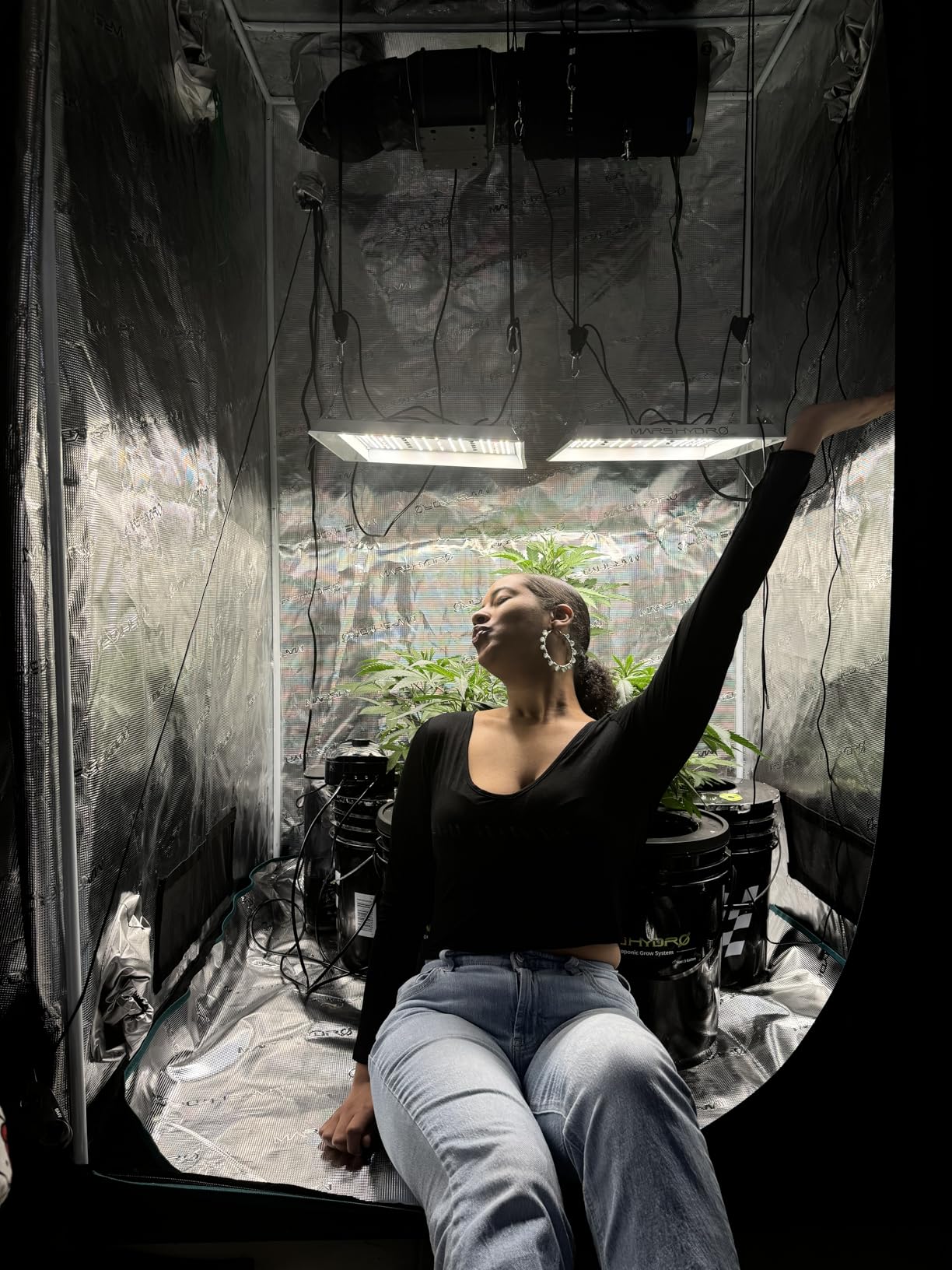
Where the engineering pays off
Visual water level indicators and adjustable airflow regulators cut down on guesswork, and the net pot lids include tie-down holes that support low-stress training without extra hardware. Reviewers running controlled environments report good compatibility with mainstream nutrient regimes and no precipitation issues, which is a real-world test that lab specifications cannot substitute for.
Reflective covers are also singled out as light-blocking and temperature-holding lids, and that matters in a category where light leaks are the most common cause of reservoir algae. This is one of the better answers to that problem in the group.
Where the finishing falls short
Air pump noise is the most common complaint by a wide margin, with some owners replacing the pump outright. There is no shared recirculating reservoir, so measuring pH and EC means opening lids, and that is the single reason some buyers pass despite liking the engineering.
Documentation is the biggest gap. This kit comes with no written instructions or parts list, and customer service does not send them on request, so owners are left to find assembly videos. Water level indicator tubes have arrived bent or crimped in some multi-packs, clay pebble bags vary in weight between roughly 613g and 1080g, and the pump power cord is short with no AC adaptor option for longer placement. Minor leaks at the top of the buckets are reported too.
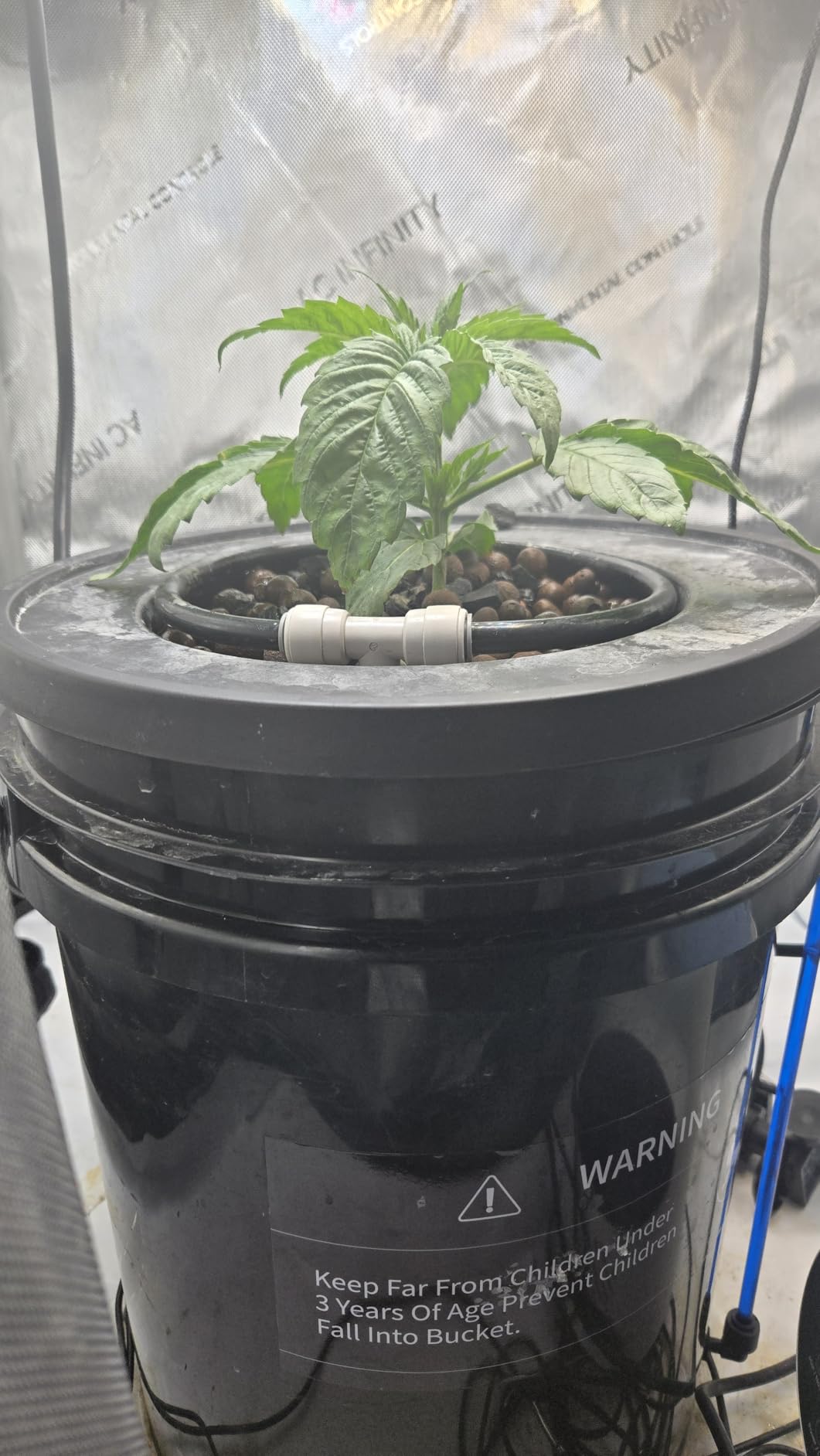
The kit is listed for vegetables, herbs, strawberries and tomatoes across tents, balconies, gardens, homes and offices. For a mixed-crop grower who wants drip feeding and does not mind a pump upgrade, the design is genuinely ahead of the bucket kits.
8. Spider Farmer 4-Bucket Kit - The Largest Buckets in the Group
Spider Farmer DWC Hydroponics Growing System Kit 4 Buckets for Indoor Plant
4 x 7 gallon PP buckets
Uncoverable triangular lids
28 L/min 11W pump
6 inch net cups
+ Pros
- Largest buckets here at 7 gallons each for more water and root room per plant
- Uncoverable triangular lids allow adding water and measuring pH and EC in place
- Strongest airflow in the group at 28 L/min from an 11W pump
- High tenacity 6 inch PP net cups support large
- heavily fruited plants
- Cons
- Highest cost system in the roundup
- Tall 26 inch footprint demands clearance under a grow light
- Triangular lids expose the reservoir to light
- Independent buckets with no shared reservoir
Spider Farmer is the name that comes up most often in DWC forum threads, and this four-bucket kit is the reason. It is the premium build in the group: four 7 gallon corrosion-resistant polypropylene buckets, which is the largest per-site capacity here, four 6 inch high tenacity net cups, and a triangular cover design that is unique in this roundup.
At 4.4 stars across 176 reviews, the review count is the lowest of the eight, so there is less long-term feedback available here than for the kits with hundreds of reviews. Owners still describe it consistently as the premium option, and the 69 percent five-star share is strong.
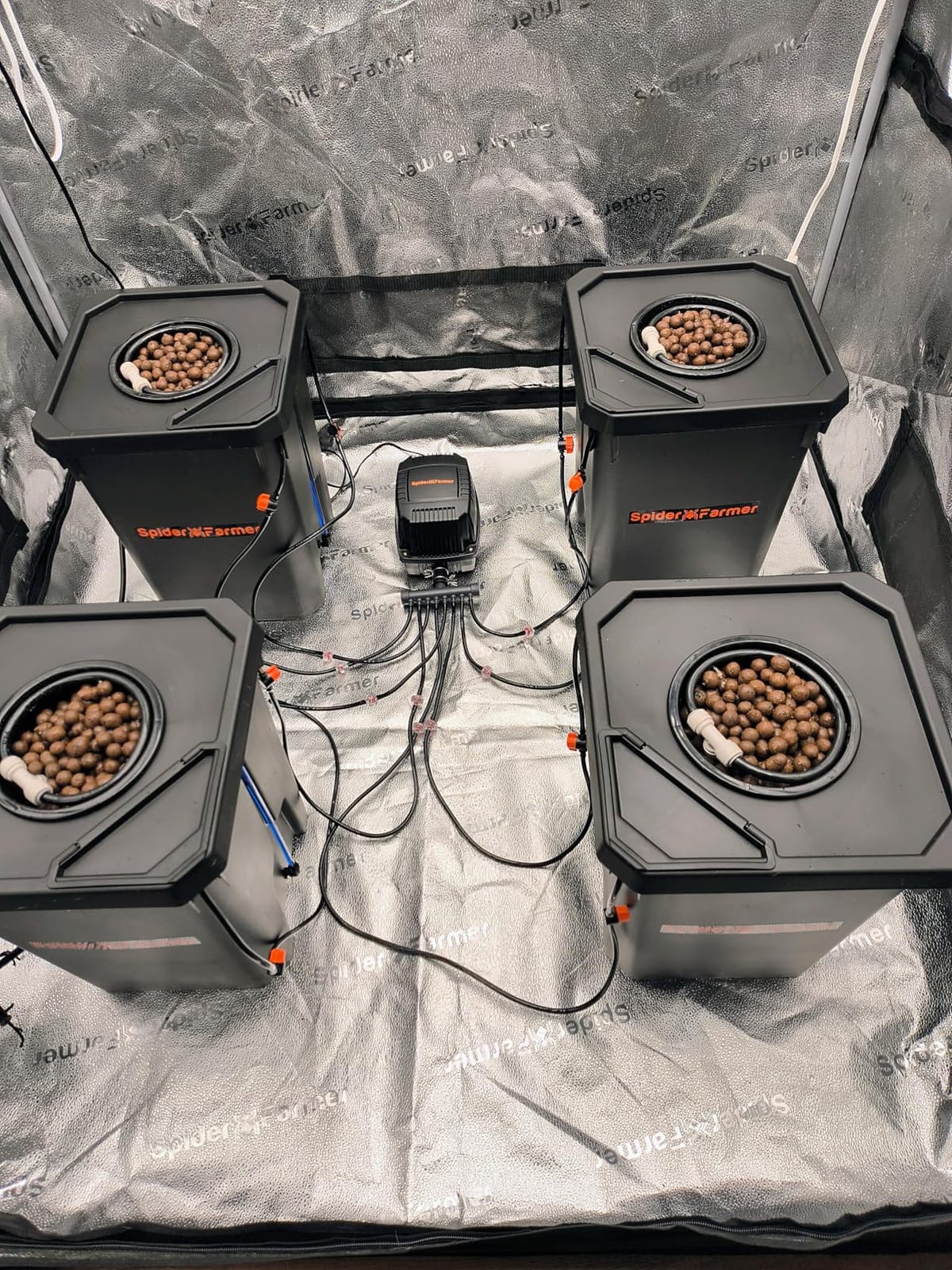
The lid that opens is the real innovation
The triangular covers uncover so you can add water and measure liquid parameters without moving the net cup. In a bucket system, every pH check that requires lifting a lid and reaching past a root mass is a small risk to the crop, and this design removes that risk for the daily checks. Combined with the four water level tubes, monitoring is unusually clean for a bucket kit.
The air pump delivers 28 L/min of maximum airflow at 11W through a regulator, the strongest output in the group, routed with 12 meters of 4/6 mm black tubing. The 6 inch net cups are the other differentiator, rated to support large, heavily fruited plants rather than the 5 inch cups common in this category.
What the extra size costs you
This is the most expensive kit in the roundup, and the 11.89 by 11.89 by 26.18 inch footprint per bucket is the tallest system here by a wide margin. Under a grow light you need genuine vertical clearance, which rules it out for many shelf and closet setups.
The triangular lids are a genuine tradeoff. They are convenient, and they also expose the reservoir to light more than a flat lid does, which encourages algae growth in the water. Owners who keep them closed report no issue; owners who leave them open to check parameters need to be disciplined.
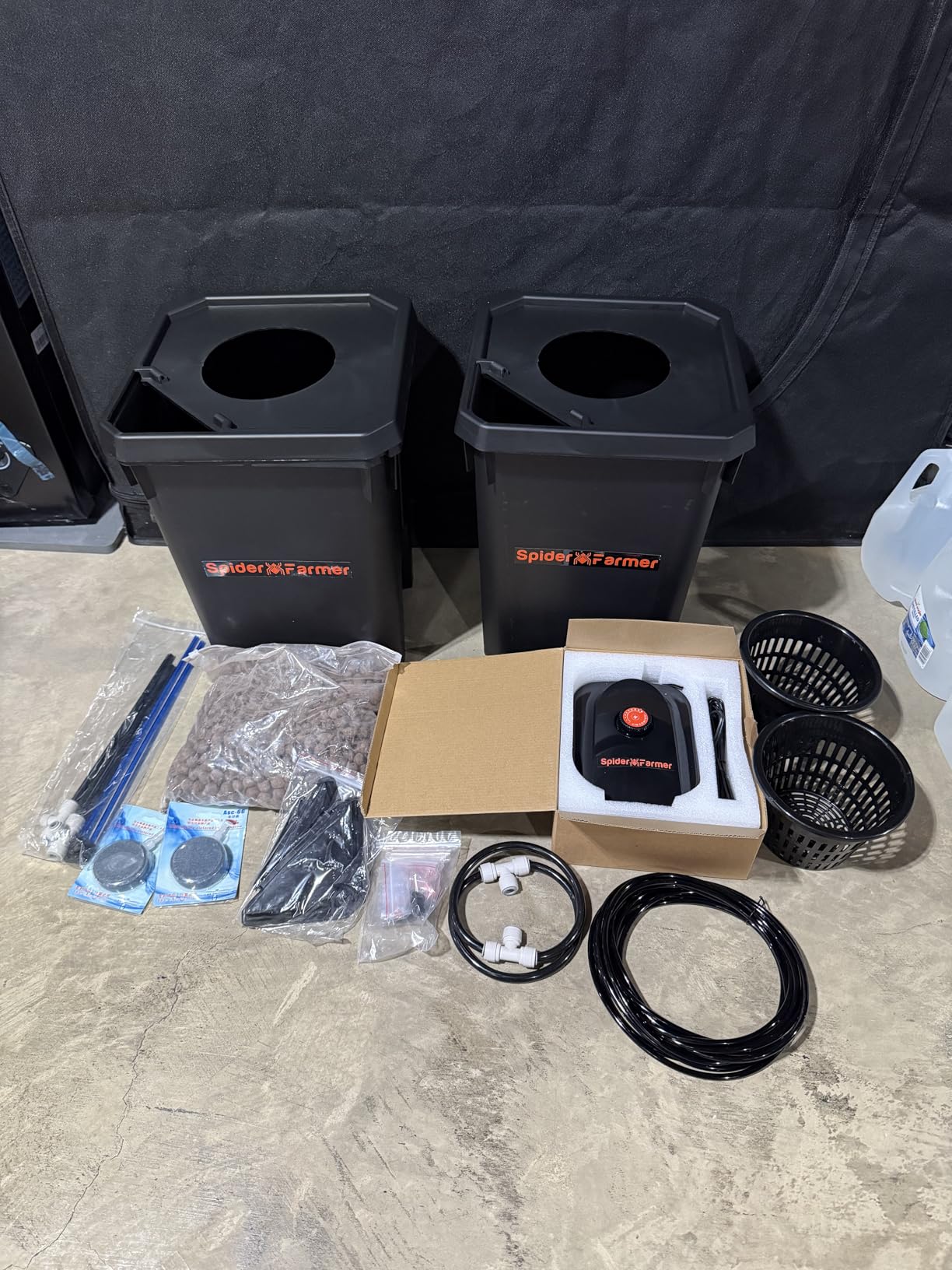
The buckets are independent, so there is no shared reservoir for sampling or top-off, and each one is maintained on its own. Dry clay pebbles, tubing, water level tubes, drip irrigation rings and a user manual are all included, and the adjustable drip ring gives finer irrigation control than a simple top-water setup. It works indoors and outdoors, and the listed crops include strawberries, lettuce, tomatoes and mint.
For a grower moving past lettuce into fruiting crops, the 7 gallon buckets and 6 inch cups are the reason to stretch here rather than upsize a 5 inch system later.
How to Choose a Deep Water Culture System
1. Start with usable water volume, not bucket size
Do the subtraction before you buy. A 5 gallon bucket loses volume to the net pot and its medium, to the lid fittings, and to the air gap you must leave under the net pot base. The result is closer to half the nominal figure, and it is the number that determines how often you refill. If you want a system you can leave alone for a weekend, look at per-site volumes of 7 gallons or more, which is what separates the Spider Farmer kit from the 5 gallon field.
2. Count sites against the plants you actually want to grow
Plant sites are not interchangeable with plant capacity. Four 5 gallon buckets with one 6 inch net cup each is four mature plants. Four 2.6 gallon buckets with five small pods each is twenty plants at a much smaller size. Match the configuration to the crop, not to the number printed on the box. Sizing a kit to the environment it will live in is the same discipline as picking a rod length for the water you will actually fish, which our guide to 12 best deep sea fishing rods works through for a very different category.
3. Check lid opacity and light-tightness first
Algae in the reservoir is almost always light, and forum growers consistently trace green water back to a thin or translucent lid rather than to nutrients or pH. Black buckets with fitted lids beat everything else. If a kit has a lighter-colored bucket or a lid that leaves a gap around the fitting, expect to deal with algae and budget for it.
4. Prioritize port access for pH and EC
Ideally you can take a reading and top off without opening the lid or moving the plant. An external water level tube, a side-mounted level device, or an uncoverable lid section all solve this. Sealed systems with no access force you to reach past roots for every measurement, and early disturbance is a leading trigger for root problems.
5. Look at air delivery per site, not total pump wattage
Watts alone tell you little. Total airflow divided by the number of sites is the useful figure, and the 4/6 mm tubing many of these kits use becomes restrictive over long runs. Systems with a single shared pump serving every bucket also couple the failure modes, so a pump problem takes out the whole rack.
6. Decide between a kit and a DIY build
DIY builds score well on volume and light-tightness, and budget builders often favor a tote sealed with aluminium tape. Kits win on the boring parts: matched fittings, included air stones, spare tubing, written instructions and a warranty. If you have never run hydroponics, the failure cost of a missing fitting outweighs the savings. Once you have a working system, a DIY second build is a genuine option.
7. Budget for the gear that is not in the box
Most kits here ship with buckets, net pots, an air pump, air stones, tubing and a medium. Frequently missing: a pH pen, a nutrient solution of your choice, a water temperature thermometer, a reservoir transfer pump, and a waterproof tray or floor protection. Plan the electrical side too, since pumps live near water and a GFCI-protected outlet is the right call. If you want off-grid power for a pump bank, our guide to deep cycle batteries for solar systems covers the sizing.
DWC vs RDWC vs NFT: Which Method Fits Your Space
Recirculating DWC, often called RDWC, is the variant where a shared reservoir feeds multiple plant sites through a return line, which stabilizes water temperature and nutrient concentration across the whole system. NFT moves a thin film of nutrient solution through narrow channels, using far less water and excelling at leafy greens, but it depends on a working circulation pump. DWC, in its plain bucket form, trades efficiency for a near-total absence of failure points, which is why it is the standard first system for beginners.
Plain DWC tolerates the most beginner error because there is no pump that can fail mid-cycle and the reservoir is visible and easy to top off. RDWC buys you tighter temperature and concentration control at the cost of plumbing complexity. NFT uses the least water and suits long narrow channels of leafy greens, but a pump failure is a crop failure. If you are wondering how the same depth-finding logic applies to a different kind of rig, our piece on fishing deep structure with electronics is a good analogy for reading the signals a system sends back.
One point deserves emphasis because it is the most repeated rule in grower discussions: do not change reservoir water for the first month of a grow. Top off with fresh water instead. Early disturbance is consistently named as a top trigger for root problems, and the growers who wait see markedly better root systems.
Frequently Asked Questions
Which DWC hydroponic system is the best?
For most home growers the VIVOSUN four-bucket top drip kit is the best overall choice, because four independent 5 gallon reservoirs, a 25 L/min air pump, drip rings and a 36-piece parts list arrive in one box. The PowerGrow single-bucket kit is the best first system for a beginner, and the Spider Farmer four-bucket kit is the best choice once you move into large fruiting plants.
What is the best starter kit for hydroponics?
The best starter kit is the Atwater HydroPod if you have never grown hydroponically before, because it is the only kit in this roundup that includes nutrients and a pH testing and adjusting kit in the box. The PowerGrow Systems single-bucket kit is the strongest alternative at 4.6 stars across 700 reviews, with a pre-installed water level tube and a roughly 30 minute setup.
Which is better, DWC or RDWC?
Plain DWC is better for beginners because it has no pump that can fail mid-cycle and the reservoir is easy to see and top off. RDWC, or recirculating DWC, is better once you run several sites because a shared reservoir holds water temperature and nutrient concentration steadier across the whole system, at the cost of more plumbing.
Which is better, NFT or DWC?
DWC is better for beginners and for mixed crops because it tolerates more error and makes pH easy to read directly from the reservoir. NFT uses much less water and performs well for leafy greens grown in long narrow channels, but a circulation pump failure means a total loss, so it suits growers who already have a working system.
What are the disadvantages of hydroponics?
The main disadvantages are constant monitoring, dependence on electricity for air and circulation pumps, a higher upfront commitment than a bag of soil, a learning curve around pH and nutrient strength, and the fact that a pump failure can end a crop in hours. Root problems from light leaks or warm water are the most common failure, and none of these failures is unique to hydroponics, but there is no soil buffer to soften them.
The Best Deep Water Culture System for Your Grow
If you want one system to cover most situations in 2026, the VIVOSUN four-bucket top drip kit is the pick. If your space is a countertop and your goal is herbs and salad greens, the Atwater HydroPod gets you growing with nutrients and pH supplies in the box. If you are moving into fruiting crops and want maximum water per plant, the Spider Farmer four-bucket kit with 7 gallon buckets and 6 inch net cups is the one that will not need replacing next season. If you need four sites with per-bucket level gauges and a warranty, the PowerGrow four-bucket bubbler kit covers that. If raw capacity matters most, the VEVOR eight-bucket system gives you eight separate reservoirs, and if you want the complete propagation path from seed to harvest in a narrow footprint, the LAWNFUL kit handles twenty small sites and ships with germination trays and sponges.
Whichever you choose, the deciding spec is usable water volume and light-tightness, not the brand on the box. Get those two right and the best deep water culture systems for home growers become simple systems you can run for years.