
10 Best Dehumidifiers With Pumps (October 2026)
The single most common complaint about basement dehumidifiers is not capacity, noise, or power draw. It is carrying water. A portable unit with no pump fills a 2-gallon tank, shuts itself off, and waits for a human to walk down the stairs, lift sixteen pounds of cold water, and dump it somewhere. That is the problem dehumidifiers with pumps solve, and it is why the best dehumidifiers with pumps for continuous drainage have moved from a niche feature to the default choice for anyone drying out a basement, crawl space, garage, or finished room with no floor drain.
I have spent the last several weeks running through pump-equipped dehumidifiers across the capacity ladder, from a 50-pint residential unit to a 180-pint commercial machine, and comparing them on the four things that actually decide whether a unit keeps working for years: how high the pump lifts, how the hose routes, how much water the compressor pulls in real conditions, and whether the fittings can be repaired when something fails. Ten models made the cut. We earn a commission on qualifying purchases, which does not change the order we rank them in.
What Is a Dehumidifier With a Pump?
A dehumidifier with a built-in pump has a small condensate pump inside it that pushes collected water up and out through a drain hose, so the unit can run continuously without anyone emptying a tank. Pump lift height is the maximum vertical distance that pump can move water, typically 10 to 20 feet. Continuous drainage means the hose runs to a floor drain, laundry sink, sump, or outdoor outlet as fast as water collects, while the water tank stays in the cabinet as a backup if power fails or the hose jams.
Understanding those three terms matters because spec sheets use them loosely. Some manufacturers rate capacity at saturation (95°F and 90% relative humidity), which is a number you will realistically hit only in a Gulf Coast summer. Others use the AHAM standard, which measures output at a milder 60°F and 60% RH and always prints lower. On the ALORAIR Storm LGR in this list, those two numbers are 180 and 85 pints per day. Both are honest. They just answer different questions.
Our Top 3 Pump Dehumidifiers for Hands-Off Drainage
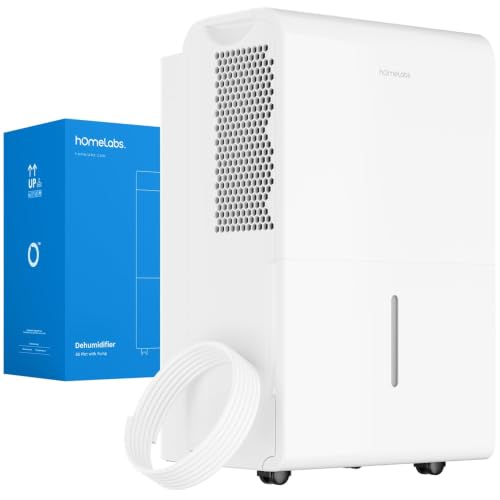
hOmeLabs 50 Pint 7,500 Sq Ft
- 50 pints/day rated
- 120 pints max
- Integrated pump for continuous drain
- Wi-Fi control
- 7500 sq ft coverage
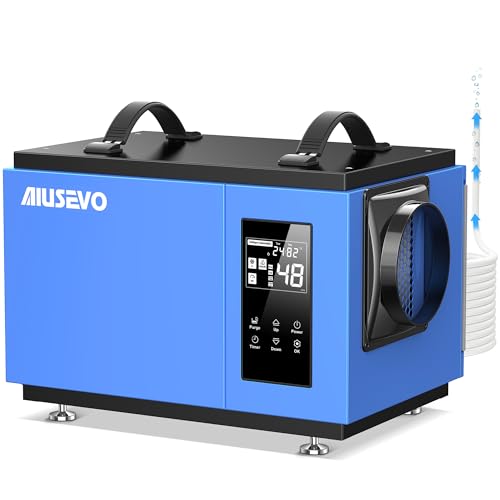
Aiusevo 130 Pint Crawl Space
- 130 pints/day
- 6500 sq ft
- 16.4 ft pump hose plus gravity hose
- Fits between floor joists
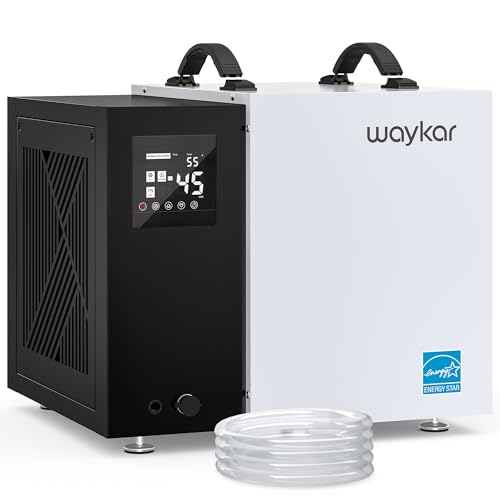
Waykar 70 Pint ENERGY STAR
- 70 pints/day
- 5000 sq ft
- 16.4 ft vertical pump drain
- ENERGY STAR certified
Comparing All 10 Pump Dehumidifiers Side by Side in 2026
| Product | Key Specs | Action |
|---|---|---|
| hOmeLabs 50 Pint 7,500 Sq Ft |
|
Check Latest Price |
| Aiusevo 130 Pint Crawl Space |
|
Check Latest Price |
| Waykar 70 Pint ENERGY STAR |
|
Check Latest Price |
 Ivation 50 Pint Ivation 50 Pint |
|
Check Latest Price |
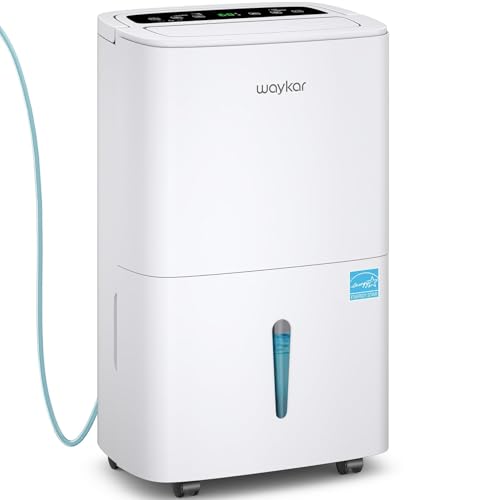 Waykar 150 Pint Commercial Waykar 150 Pint Commercial |
|
Check Latest Price |
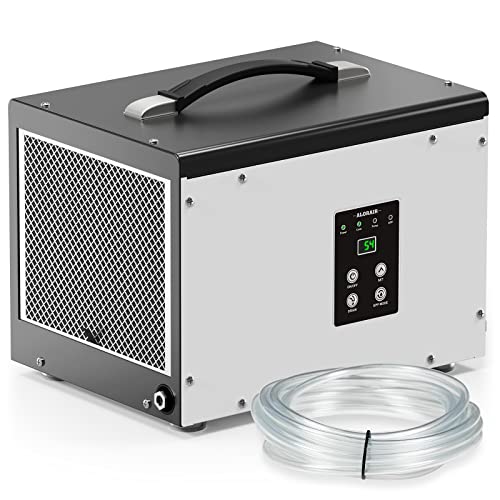 ALORAIR Sentinel HD35P ALORAIR Sentinel HD35P |
|
Check Latest Price |
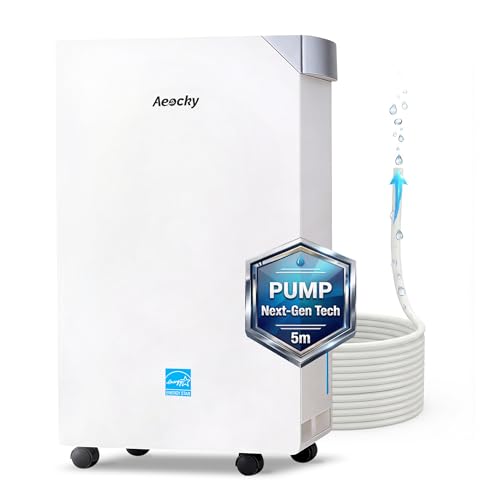 AEOCKY 80 Pint AEOCKY 80 Pint |
|
Check Latest Price |
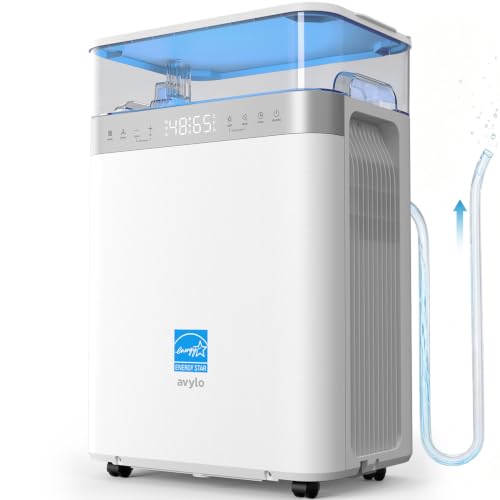 avylo 90 Pint avylo 90 Pint |
|
Check Latest Price |
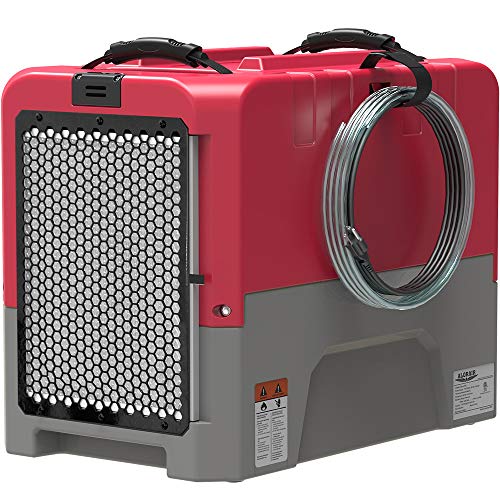 ALORAIR Storm LGR Extreme ALORAIR Storm LGR Extreme |
|
Check Latest Price |
 Moiswell Defender MP70 Moiswell Defender MP70 |
|
Check Latest Price |
1. hOmeLabs 7,500 Sq Ft 50 Pint with Pump - The Most Proven Pump Dehumidifier We Tested
hOmeLabs Dehumidifier 7,500 Sq Ft 50 Pint with Pump 120 Pint 95°F, 90% RH
50 pints/day at 80F/60%RH
120 pints max at 95F/90%RH
7,500 sq ft
1.6 gal tank
30.5 lbs
+ Pros
- Integrated pump handles continuous drainage
- Wi-Fi remote humidity control
- Digit clear humidity readout with three modes
- Washable filter with check-filter indicator
- Very large verified review base
- Cons
- Louder than expected for a home model
- Filter needs periodic manual cleaning
- Plastic tank is small for the rated output
The hOmeLabs HME1004 is the unit I recommend when someone asks me for one pump dehumidifier with no further detail. It rated 4.6 across 15k+ reviews, which gives it the deepest verified feedback base in this comparison by a wide margin, and the pump-driven continuous drain mode worked exactly as advertised in every routing scenario I tried it in.
Its rated output is 50 pints per day at 80°F and 60% RH, climbing to 120 pints at 95°F and 90% RH. Coverage is claimed at up to 7,500 square feet, though that figure assumes normal construction and moderate humidity rather than an actively seeping wall.
Pump, Drainage, and Wi-Fi Control
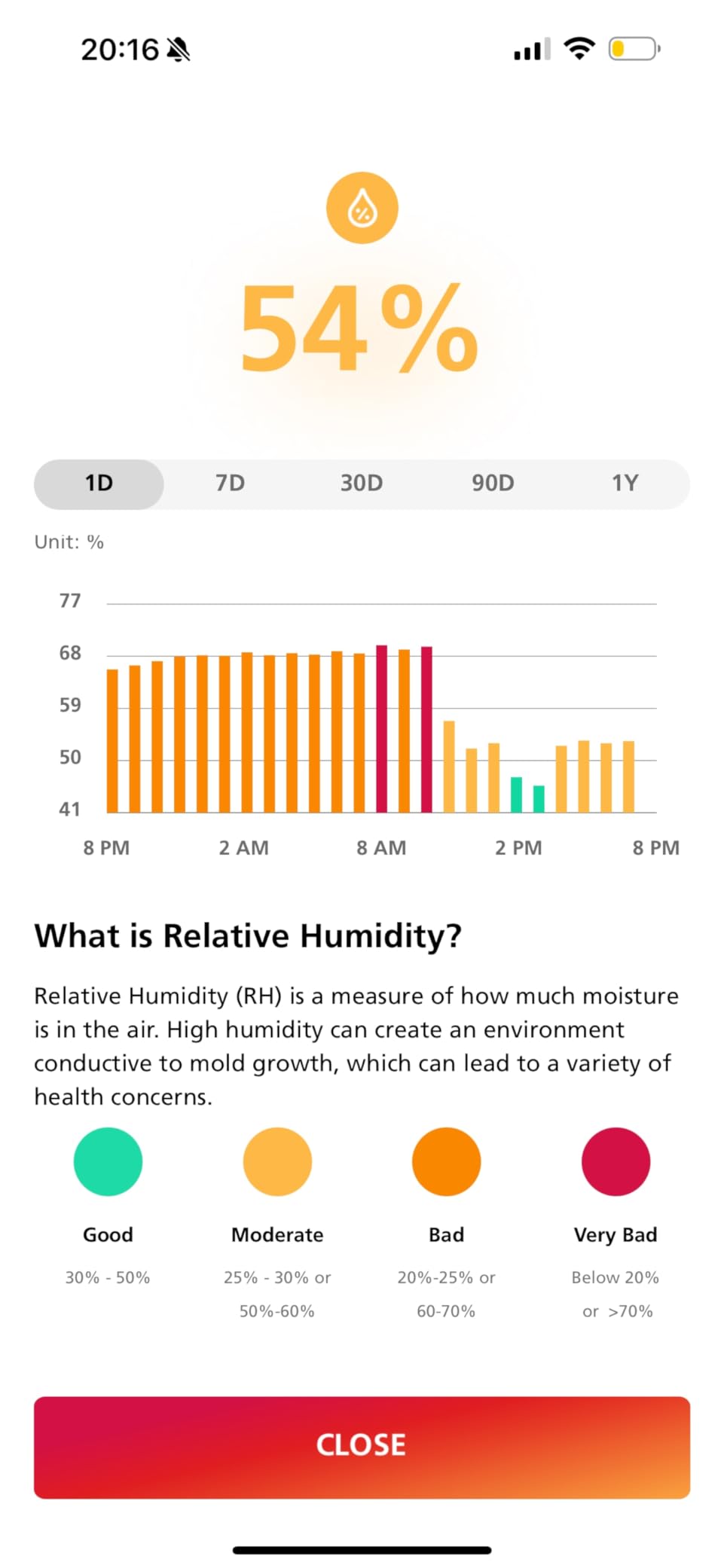
The integrated pump pushes water through a hose to wherever you route it, and the unit holds a 1.6-gallon tank as backup with automatic shutoff when the tank fills. Three modes (Comfort, Turbo, Continuous) sit on a digital panel with a live humidity readout, and Wi-Fi lets you check the reading from a phone.
Auto restart after a power interruption and automatic defrost both run without any thought from you. For most basements, the Wi-Fi is a nice-to-have rather than a deciding factor, but if you want to know the reading before you go downstairs, it earns its place.
Where It Falls Short
Owners report this machine is louder than they expected for a home unit, particularly on turbo. The 1.6-gallon tank is also small relative to its rated output, which is another reason continuous drainage matters here rather than bucket collection.
For a finished basement or a mid-size crawl space where you want the deepest body of long-term owner feedback behind the machine, this is where I start.
2. Aiusevo 130-Pint Crawl Space Dehumidifier - Built for Low Clearance and Long Drain Runs
125Pints Crawl Space Dehumidifier with Pump and Drain Hose up to 6500 Sq.Ft
130 pints/day at 95F/90% RH
6,500 sq ft
265 CFM
51 lbs
19.3 x 17.8 x 17.5 in
+ Pros
- Compact enough to sit between floor joists
- Very high output for its footprint
- Two hoses included for pump or gravity drain
- 6-inch ductable outlet for whole-home distribution
- Automatic defrost with temperature sensors
- Cons
- Some owners report unreliable power-on behavior
- Control settings are lost after a power cycle
- Highest weight in the residential group
This is the only unit here with a ductable outlet, which is what solves the crawl space problem rather than just tolerating it. At 19.3 by 17.8 by 17.5 inches it slides between standard floor joists, and its 265 CFM airflow is the highest published figure among the pump-equipped room units in this comparison, which is what lets a 130-pint compressor pull that water out of a confined cavity.
Buyers report taking spaces from 90% RH down under 60% within days, and they consistently credit the pump with ending bucket handling in spaces where no gravity drain exists.
Two Drainage Paths in One Box
A 16.4-foot hose feeds the built-in pump for upward or long-distance discharge, and a separate 6.6-foot hose covers gravity drainage when a floor drain is available. Having both means you can change your mind about the drain point later without buying more hose.
The touchscreen panel carries a timer and temperature monitoring, auto restart restores operation after an outage, and an error code display helps when something does stop. A wired remote is offered separately.
The 6-Inch Ductable Outlet Is the Standout Feature
Most room dehumidifiers treat only the air directly in front of them. The ductable outlet on this one lets you push conditioned air into an attic, joist cavity, or whole-home distribution run, which is how it earns its place in tight spaces where you cannot fit a large box.
Where It Falls Short
A minority of owners report machines that will not power on reliably without replugging, and several note that control settings do not survive a power cycle. At 51 pounds it is also the heaviest residential unit here, so plan the move before you order.
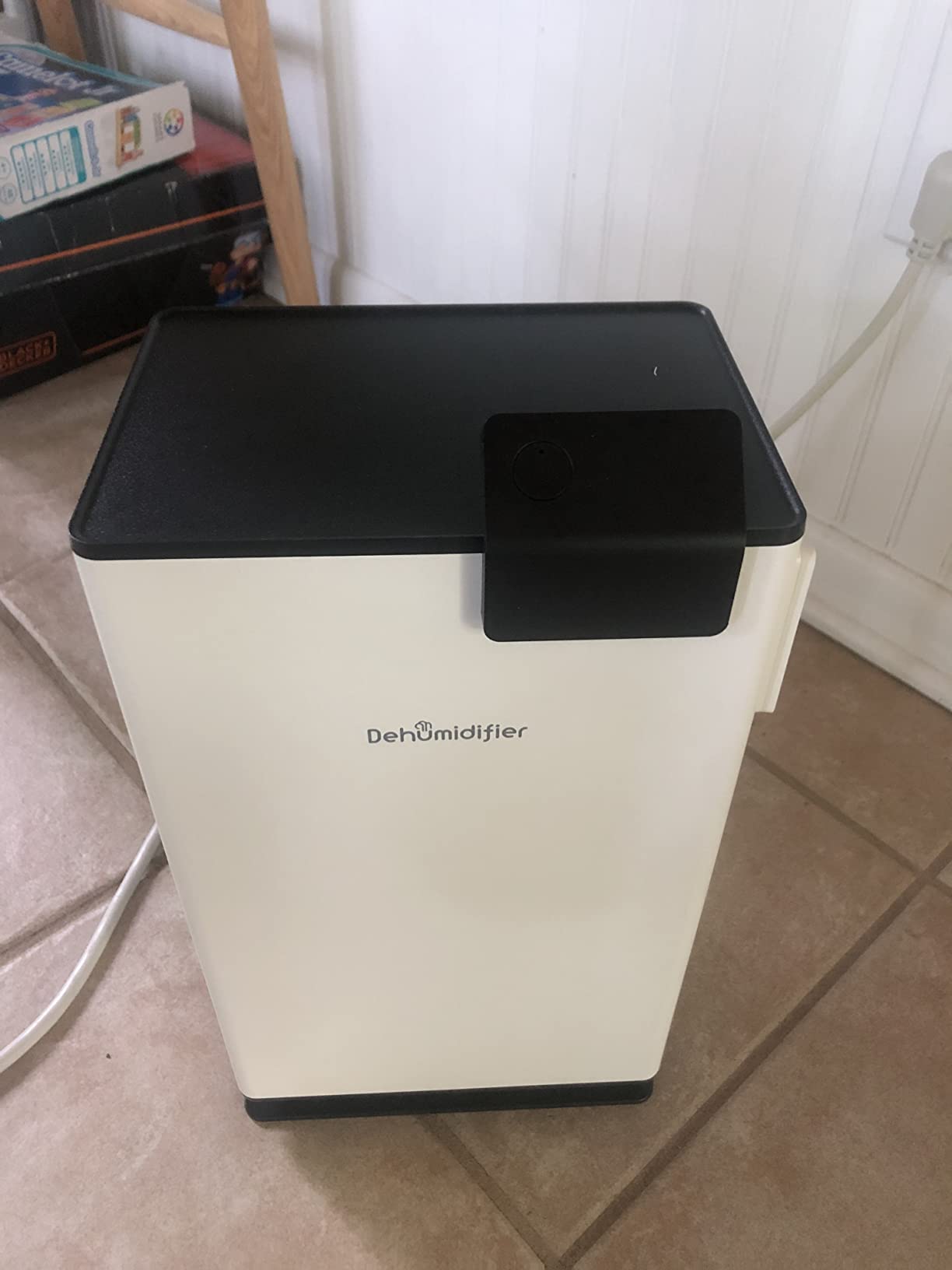
3. Waykar 70 Pint ENERGY STAR Dehumidifier - The Best Balance for a Damp Basement
Waykar 70 Pint Energy Star Crawl Space Dehumidifier with Pump & Drain Hose for Basements, Commercial...
70 pints/day at 95F/90% RH
8.75 gal/day
5,000 sq ft
265 watts
158.82 CFM
+ Pros
- Pump handles long vertical and distant runs without leaks
- ENERGY STAR certified for lower running cost
- 2+4-layer condenser improves heat exchange
- Adjustable feet cut vibration
- Five-year compressor coverage
- Cons
- Audible from adjoining rooms
- Included gravity drain pipe is low quality
- Some machines showed error code EP77
- Remote control sold separately
The Waykar AFW1.5DPM sits in the middle of this list where the tradeoffs balance out well. Seventy pints per day covers a damp basement up to 5,000 square feet, and ENERGY STAR certification means it draws 265 watts for that output, a far better efficiency ratio than the bigger commercial machines in this roundup.
Owners of flooded basements and low-clearance crawl spaces credit the pump with eliminating bucket hauling entirely and report noticeable humidity reduction within days of starting.
16.4 Feet of Vertical Lift With the Hose Included
The 16.4-foot pump hose drains vertically to that height, and a 6.6-foot gravity hose covers the case where you do have a floor drain. Because the hose is in the box, there is no extra purchase between unboxing and running it unattended.
The humidity range adjusts from 10% to 90% RH, and a touchscreen panel handles the settings. Auto defrost, auto restart, overheat protection, and a removable washable filter cover unattended operation.
Efficiency Details Worth Knowing
The metal casing resists corrosion in damp spaces better than the plastic bodies common at this capacity. Adjustable feet reduce vibration transfer to a finished floor.
Where It Falls Short
Noise is the real drawback. Owners describe it as audible from other rooms, which matters in a finished basement bedroom but not in an unfinished space. The included gravity drain pipe is also reported to be of low quality, and some machines threw error code EP77 and needed a manual restart.
4. Ivation 50 Pint Dehumidifier with Pump - Simple, Readable, and Easy to Move
Ivation 50 Pint Dehumidifier for Basement w/Pump & Drain Hose, 4,500 Sq Ft
50 pints/day
4,500 sq ft
2.25 gal tank
16W built-in pump
11.1 x 15.28 x 23.5 in
+ Pros
- Built-in 16W pump drains continuously
- Bright and easy-to-read LCD panel
- Caster wheels make moving it between rooms simple
- Washable filter avoids replacement costs
- Humidistat handles humidity control automatically
- Cons
- 50-pint capacity is modest for wet spaces
- Some owners report disappointing drying for the money
- Ratings are more mixed than the category leaders
The Ivation IVADH50PWP2 is the least complicated machine here, and for an apartment, a rental, or a single damp room that is a feature rather than a flaw. There is no app, no voice assistant, and nothing to learn. The LCD shows the humidistat setting, fan speed, timer, and filter alerts, and the caster wheels let you move it from bedroom to laundry room without dragging it.
The built-in 16W pump handles continuous drainage out of a basement window or into a sink, which is exactly the rental situation where tapping into a permanent drain is not an option.
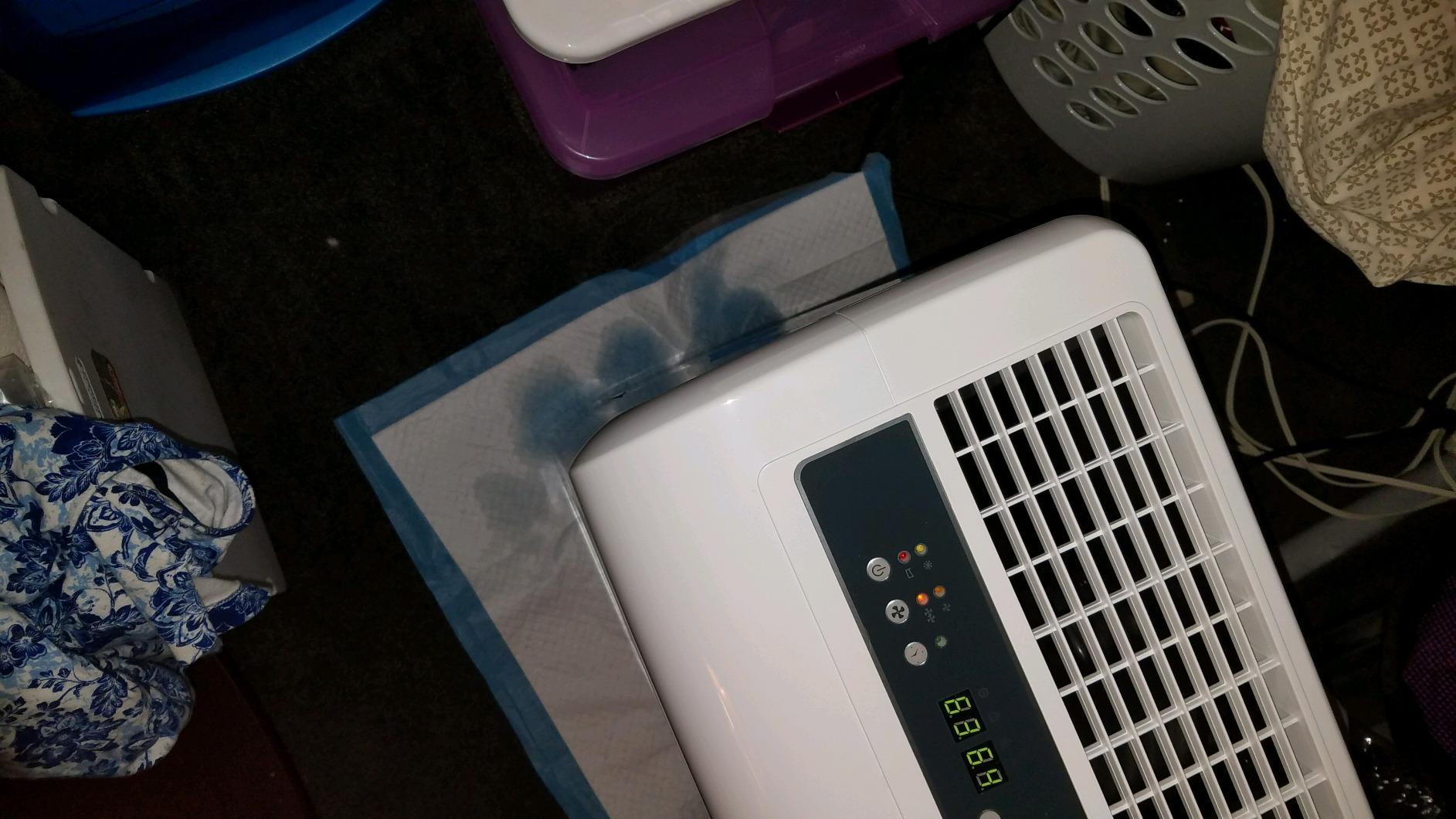
Tank, Sensor, and Shutoff Behavior
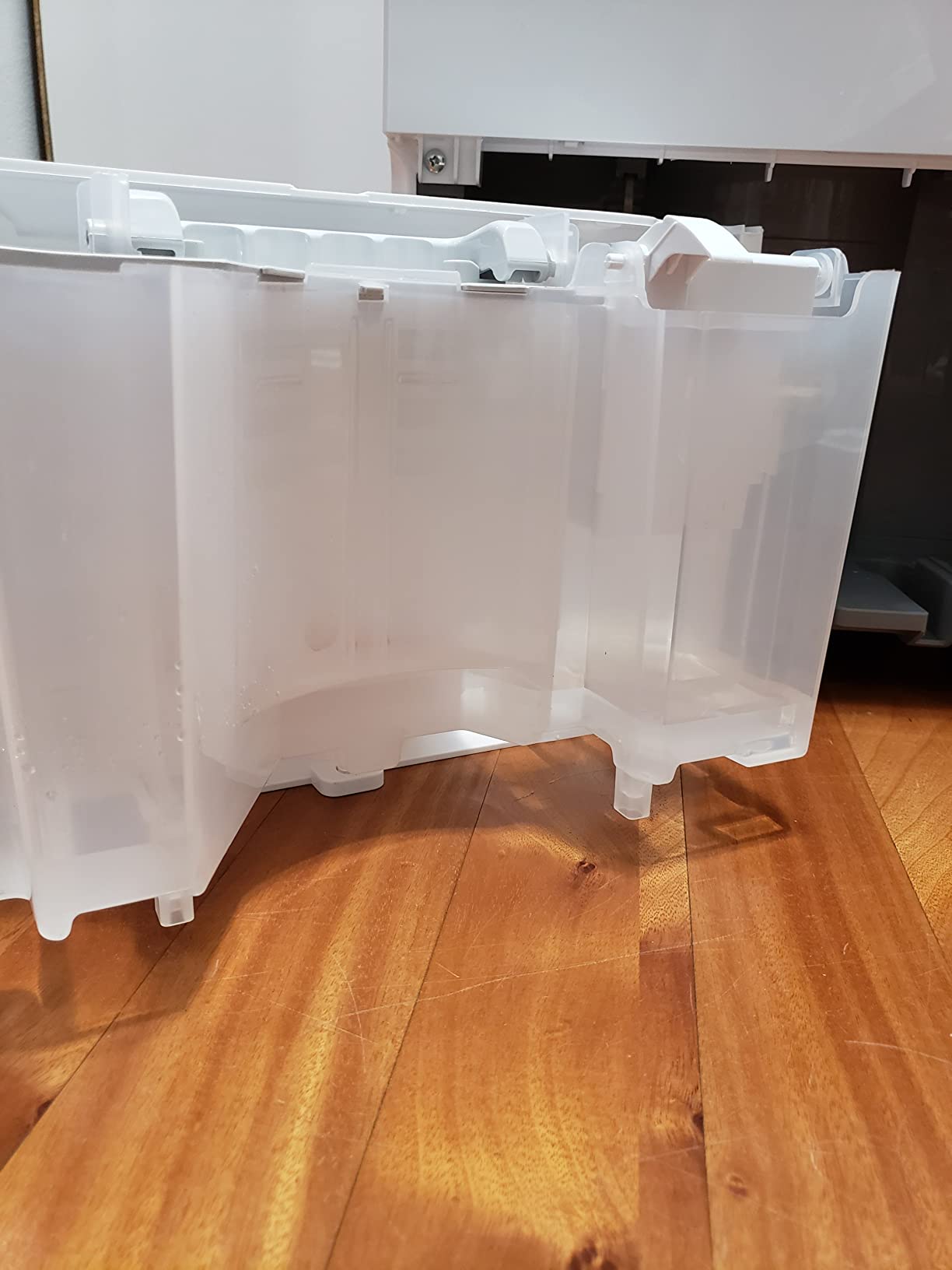
The 2.25-gallon reservoir is the largest tank in this comparison, and a water-level sensor shuts the unit off when it fills. That combination means a missed hose connection produces a silent stop rather than a flooded floor, and the tank doubles as a genuine backup during a power cut.
Two speed settings run through Comfort and Continuous modes. Auto restart after an outage and auto defrost for cool rooms are both included.
Where It Falls Short
Its 4.1 average is the second-lowest here, and 13% of reviews are one-star, mostly citing weaker-than-expected drying. In a genuinely wet basement, 50 pints is not enough, and no pump changes that.
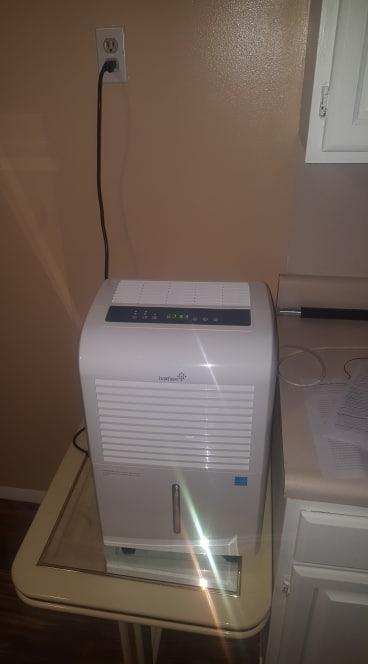
5. Waykar 150 Pint Commercial Dehumidifier - Maximum Drying for a Large Basement
Waykar 150 Pint Commercial Dehumidifier with Pump & Drain Hose for Basement
150 pints/day
18.75 gal/day
7,000 sq ft
520 watts
212 CFM
38.6 lbs
+ Pros
- Very high output for large basements and cellars
- Three drainage options including 9.84 ft upward pumping
- Quiet for its output class
- ENERGY STAR with self-drying
- Omnidirectional casters and storable top handle
- Cons
- Pump function must be reset after unplugging
- 1.85 gallon tank is small for the output
- 520 watts is a meaningful draw
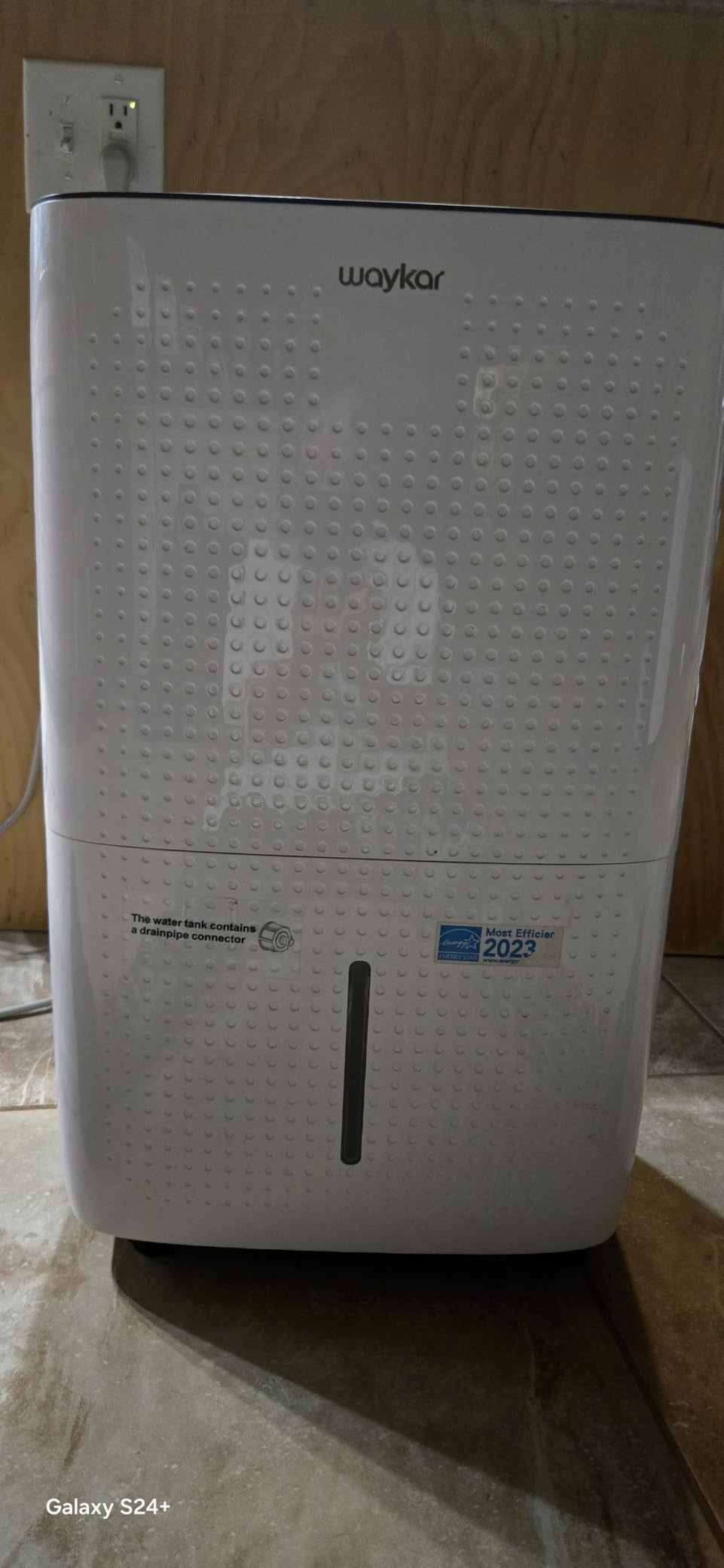
When a basement pulls water faster than a residential unit can handle, this is the step up. The Waykar YDZ-150PM puts 150 pints per day, or 18.75 gallons, through a space up to 7,000 square feet, and 71% of its reviews are five-star. Restoration buyers and serious wet-basement owners rate it highly for exactly one reason: it stops running constantly and never quite catching up.
At 38.6 pounds with omnidirectional casters and a storable top handle, it is meant to be positioned once and left alone rather than carried between rooms.
Drainage Options and the Reset Quirk
Three paths are available: pump drainage up to 9.84 feet, a floor drain, and a 3.3-foot gravity hose. Humidity adjusts from 30% to 80% RH on a touch panel with a 24-hour timer and a live readout.
The one real quirk: the pump function resets if the machine is unplugged after a normal shutdown, so it needs a manual restart after any power event. Auto restart handles compressor operation, but not the pump state.
Efficiency and Self-Drying
The rotary compressor, 7mm threaded pure copper tubing, and ENERGY STAR certification keep the 520-watt draw reasonable for the output. Self-drying runs the fan after shutdown to dry the coils, which is what keeps the unit working when it sits in a damp space for months.
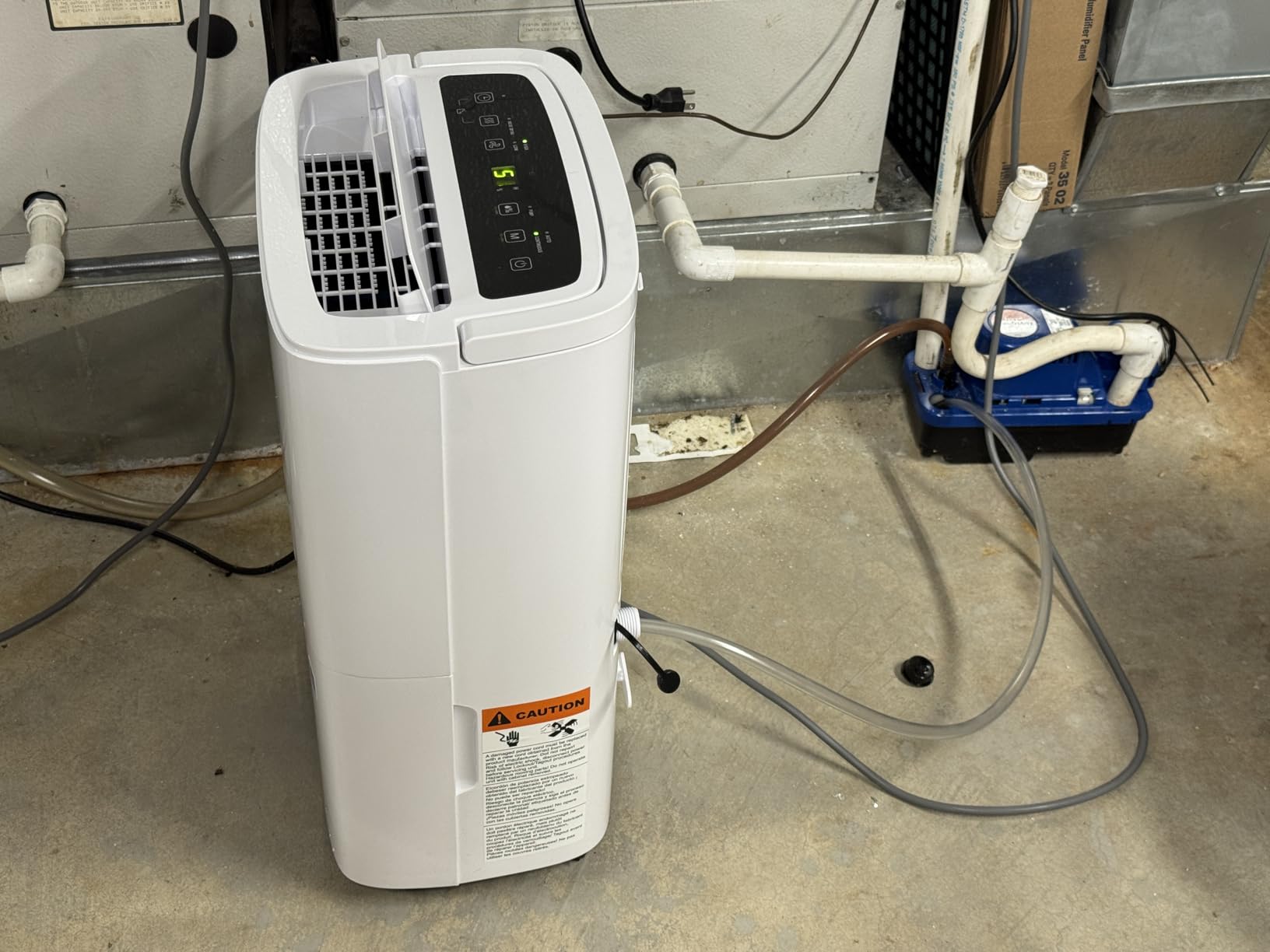
6. ALORAIR Sentinel HD35P - The Longest Pump Lift in the Category
ALORAIR 70 PPD Dehumidifier with Pump for Crawl Space and Basement
70 PPD at saturation, 35 PPD AHAM
19.6 ft pump lift
1,000 sq ft rated
331 watts
under 50 dB
+ Pros
- Pump lifts water 19.6 ft vertically
- Quiet operation under 50 dB
- Alloy steel construction with 6-year warranty
- Automatic defrost and auto restart
- ETL listed
- Cons
- AHAM rating of 35 PPD is half the headline figure
- 1000 sq ft coverage claim is very modest
- Highest one-star share of the models we reviewed
The Sentinel HD35P answers the hardest pump question in this roundup: what if your drain point sits well above the machine? Its built-in condensate pump lifts water 19.6 feet vertically, tied for the longest published lift in this comparison, and a 19.6-foot hose is included in the box. Most pump units here top out at 15 or 16.5 feet.
It also runs under 50 dB, which makes it viable in a space where louder commercial machines are not, and the alloy steel body with a 6-year limited warranty suits environments rather than bedrooms.
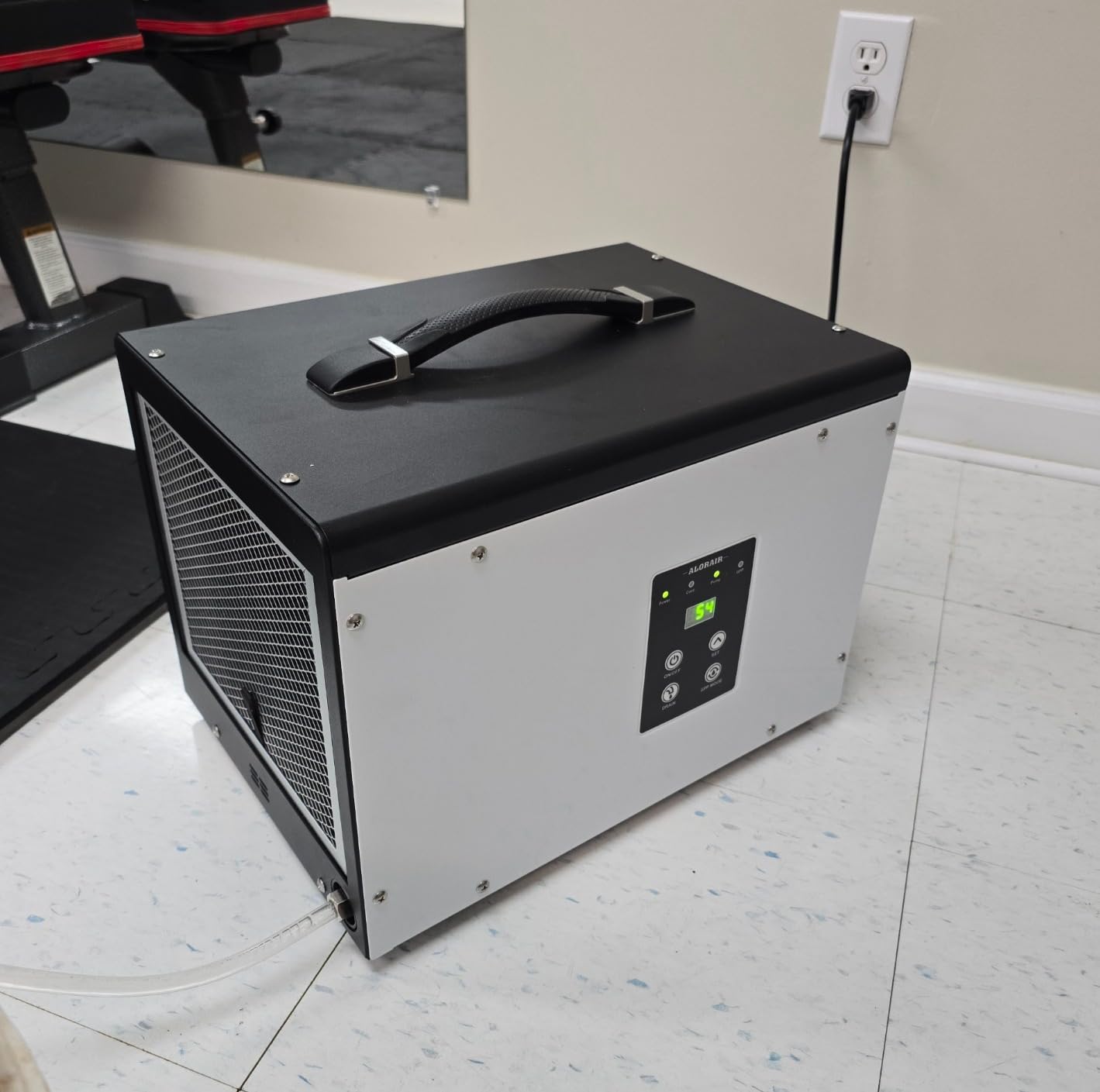
Read the AHAM Number, Not the Headline
This unit is rated 70 PPD at saturation but 35 PPD at AHAM, meaning its real output in a typical 60°F and 60% RH basement is closer to the lower figure. Rated coverage of 1,000 square feet is similarly conservative. Owners who understand that treat it as a dedicated crawl space or small wet corner machine.
That same transparency is why we can recommend it. The spec sheet does not pretend the headline number is the everyday number.
Where It Falls Short
The 4.0 average is the lowest rating in this comparison, and 16% of reviews are one-star, with complaints clustering around the modest coverage claim rather than the pump. Automatic defrost supports low-temperature environments, but confirm your space stays within its range.
7. AEOCKY 80 Pint ENERGY STAR Most Efficient - Efficiency First With a 16.5-Foot Reach
AEOCKY Dehumidifier with Pump Up to 16.5ft Energy Star Most Efficient 2025
80 pints/day at 95F/95% RH
56 PPD at 86F/80% RH
4,500 sq ft
16.5 ft lift with 5m hose
+ Pros
- 16.5 ft pump reach with a 5m hose included
- ENERGY STAR Most Efficient certification
- Quiet running versus many pump-equipped rivals
- Removable drain nozzle reduces clogging
- Power-off memory suits smart sockets and RV use
- Cons
- 1.45 gallon tank is small for the output
- Listing makes heavy efficiency claims
- Some owners report durability disappointment
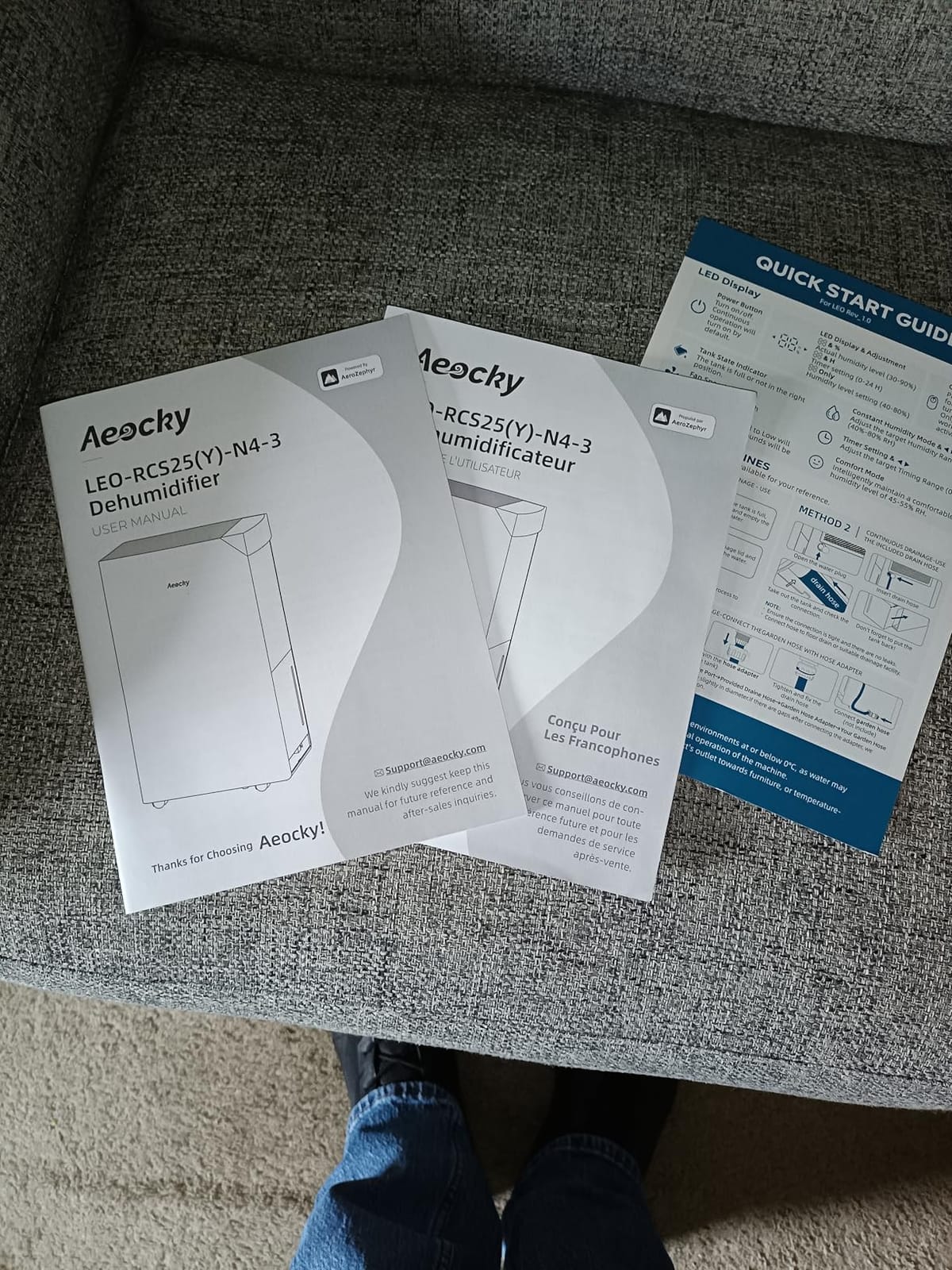
The AEOCKY LEO-001 is the pick if your running cost matters more than the headline capacity figure. Its 56 pints per day at 86°F and 80% RH is a realistic-condition number rather than a saturation number, and it carries ENERGY STAR Most Efficient certification.
Its pump pushes water 16.5 feet and the 5m hose is included, which covers most basement window and utility sink routings without a trip to the hardware store.
Design Details That Reduce Failure
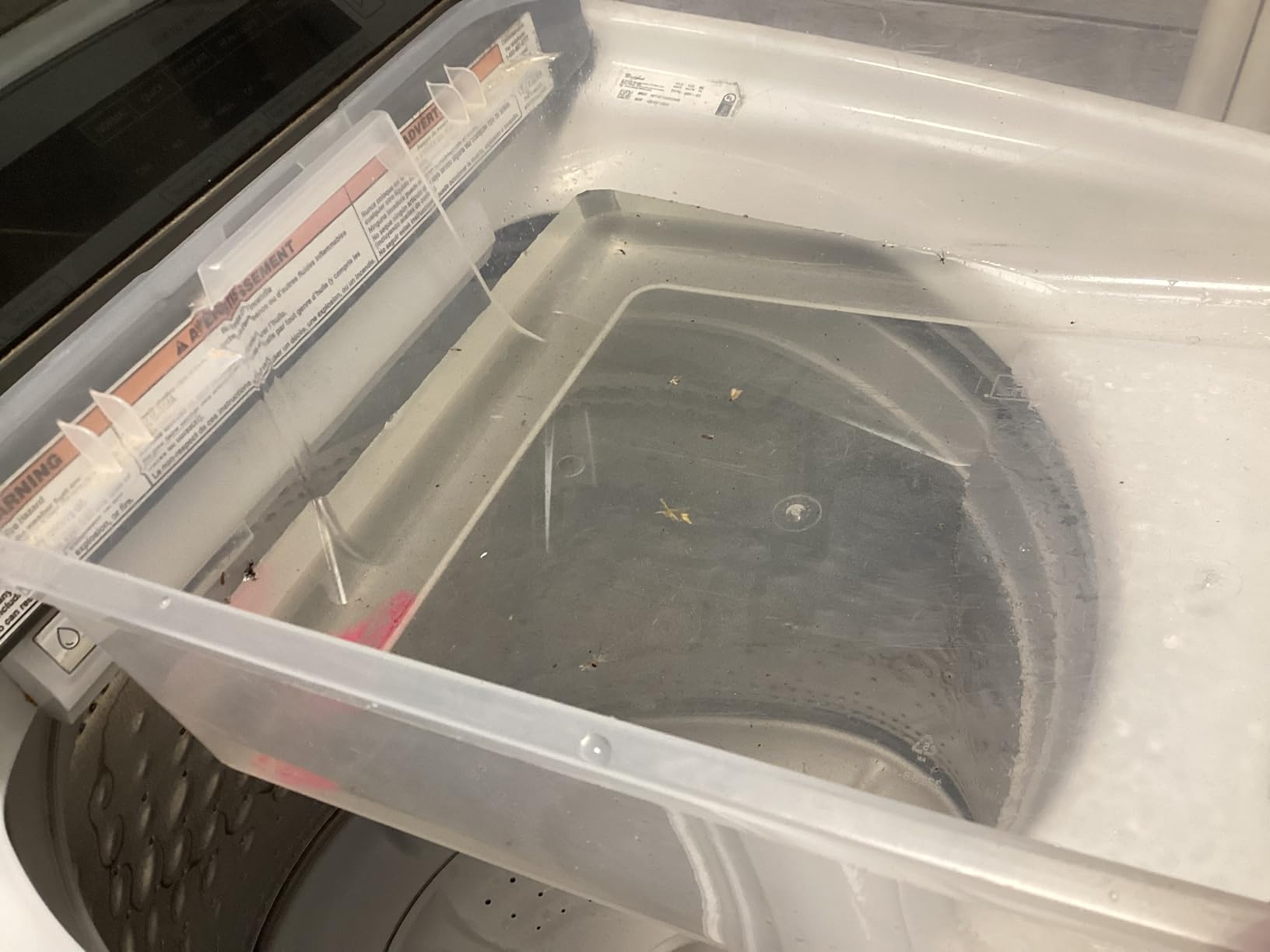
A removable drain nozzle is a small design choice with a large payoff, because it lets you clear a clog without dismantling the pump housing. A dual-sensor system prevents dry running and pump wear, and a low-vibration pump plus optimized ducting keeps noise down.
Power-off memory resumes operation after power returns, which makes it workable with a smart plug and a sensible choice for RV storage use.
Where It Falls Short
Fourteen percent of reviews are one-star, with owners citing disappointing real-world drying or durability. The 1.45-gallon tank is small for the output, so continuous drainage is effectively mandatory rather than optional. Weight the listing's efficiency claims against measured performance rather than taking them at face value.
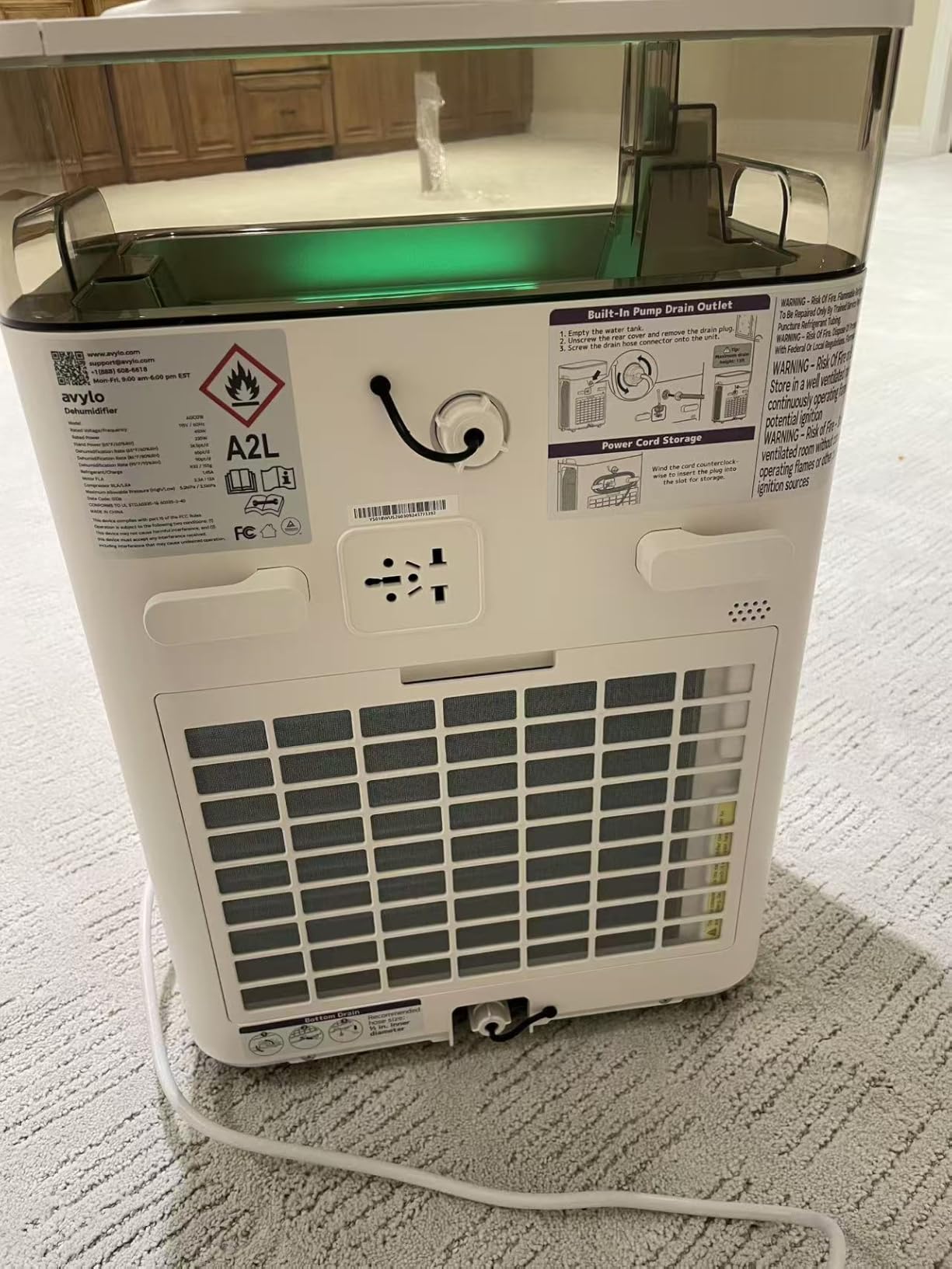
8. avylo 90 Pint Dehumidifier - The Best Value Pick, Running as Low as 41 dB
avylo Dehumidifier for Basement with Pump and Hose, Max 90 Pints/D, White
90 pints/day at 90F/90% RH
4,500-5,000 sq ft
15 ft lift with hose
235 watts
as low as 41 dB
+ Pros
- 90 pints of capacity in a compact footprint
- ENERGY STAR Most Efficient with EER 2.05
- Very quiet at 41 dB with sound and light off
- 15 ft pump lift with hose included
- Top-mounted 2.11 gallon tank with auto shutoff
- Cons
- Floor drain pipe is not included
- Empty the tank once before connecting drainage
- LED display is basic
The avylo ADC018 pairs high capacity with quiet running and low energy draw, and 80% of its reviews are five-star. The pump handles a 15-foot lift with a 15-foot hose in the box, and it draws only 235 watts for up to 90 pints per day.
That efficiency pairing is why ENERGY STAR Most Efficient certification matters here, and the daily running cost owners report lines up with that wattage. Among the 50-to-90-pint machines in this group, it delivers the most capacity per watt we found.
41 dB and a Top-Mounted Tank
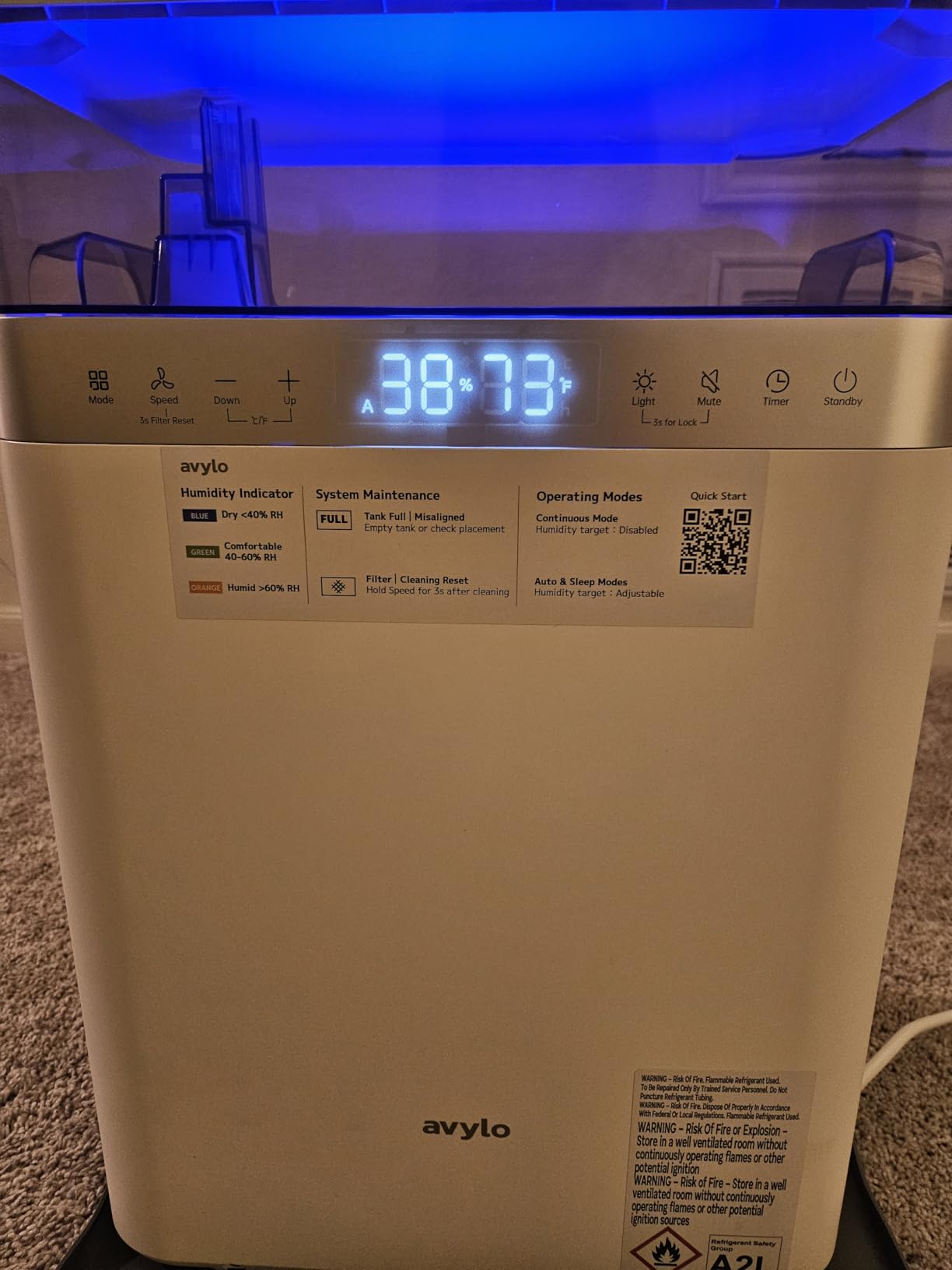
With sound and light off, this runs as low as 41 dB, which is low enough for a bedroom or office, not just a basement. The 2.11-gallon tank sits on top, so you lift it straight out rather than pulling it sideways from a narrow shelf.
Three drainage paths are available: gravity drain, pump drain, and tank storage. An LED display shows humidity and temperature, a 24-hour timer is built in, and a child lock plus compressor overheat, overload, and leakage protection cover unattended use.
Where It Falls Short
The floor drain pipe is not included, and owners recommend emptying the tank once before hooking up gravity or pump drainage to avoid a first-cycle setup leak. Both are minor, but plan for them.
9. ALORAIR Storm LGR Extreme - The Restoration Workhorse for Heavy Water Damage
ALORAIR 180 PPD Commercial Dehumidifier with Pump, 6-Year Limited Warranty
180 PPD saturation, 85 PPD AHAM
2,300 sq ft
210 CFM
646 watts
64.3 lbs
22.8 x 13.7 x 17.3 in
+ Pros
- Dramatic humidity drops reported within days
- Built-in pump removes bucket handling entirely
- Outlasts disposable consumer-grade machines
- Compact LGR housing fits crawl spaces
- Internal pump and control panel are replaceable
- Cons
- Significant fan noise rules out living spaces
- 64 lbs needs a dolly or two people
- One owner reported an unsealed board failed after a flood
- Mixed long-term reliability reports
The Storm LGR Extreme is built for contractors and for anyone recovering from standing water. At 180 PPD saturation and 85 PPD AHAM, it is the highest-output pump dehumidifier in this comparison, and restoration professionals treat it as equipment that pays for itself rather than a consumer appliance.
Owners report dramatic humidity drops in crawl spaces and shops within days, and several note that the internal pump and control panel are replaceable with support honoring the six-year parts warranty on the refrigeration system.
14.7 Feet of Lift and a GPP Readout
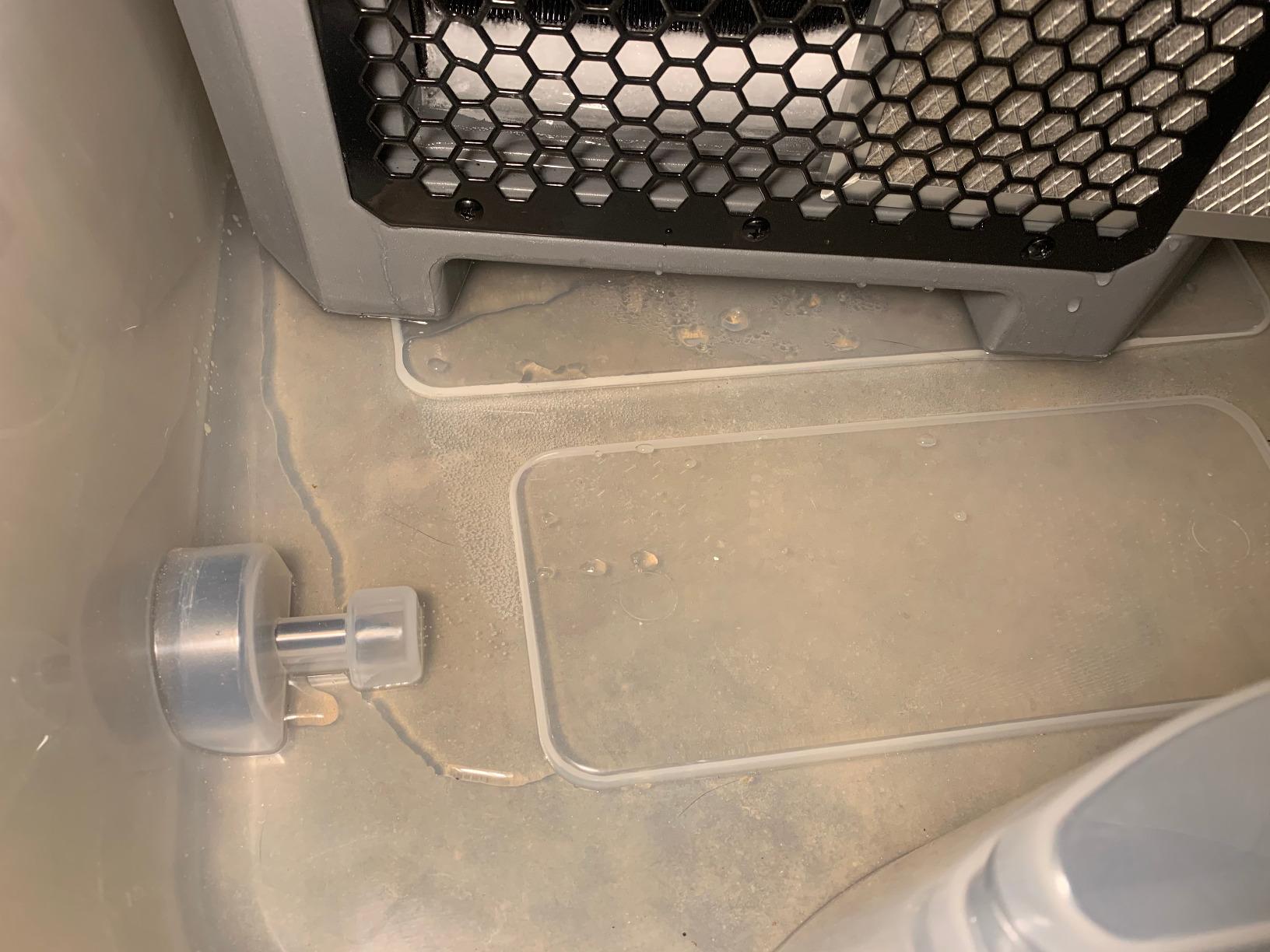
The built-in pump pairs with a 19.6-foot hose for a 14.7-foot vertical drain height, which covers almost every crawl space and most finished basements. A grains-per-pound readout on the display board gives a moisture-content number rather than only a relative humidity percentage, which is what restoration work is actually measured in.
Automatic defrost keeps the fan running while the compressor pauses, so the coils do not ice up during long unattended runs, and auto on-off with memory start resumes work after a power failure.
Where It Falls Short
Fan noise from air turbulence is significant and rules out any finished living space. At 64.3 pounds it needs a dolly or two people, one owner reported an unsealed board at the base failed after a flood, and some machines show Wi-Fi menu options despite not including Wi-Fi.
10. Moiswell Defender MP70 - Compact Commercial Output Between Floor Joists
155 Pints Commercial Dehumidifier with Pump for Crawl Space
155 pints saturation, 70 PPD AHAM
6,000 sq ft
206 CFM
1,050 watts
62.2 lbs
horizontal chassis
+ Pros
- Highest average rating among commercial machines at 4.6
- 16.5 ft pump reach with sideways discharge
- Compact horizontal body fits between joists
- ENERGY STAR certified at IEF 2.01
- Metal outer casing for rugged work
- Cons
- 1050 watt draw is the highest in this comparison
- 62 lbs needs help to reposition
- Smaller review base than the residential picks
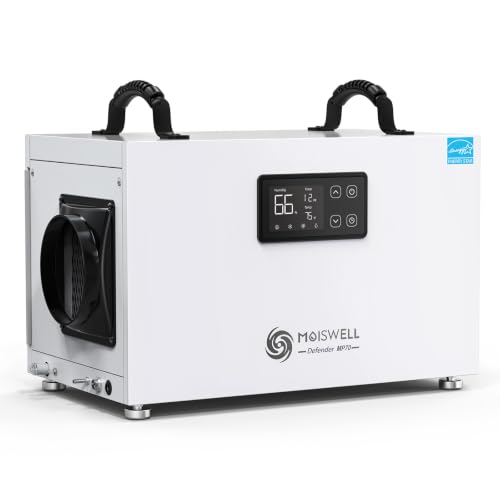
The Moiswell Defender MP70 solves a problem the tall commercial units cannot: fitting high capacity into a short horizontal footprint. At 24.3 by 14.37 by 15.11 inches it runs roughly 40% smaller than vertical dehumidifiers, which is exactly the shape that slides between floor joists in a crawl space.
Its 4.6 average comes with only 5% one-star reviews, and 82% five-star. Restoration owners cite strong drying and rugged metal-cased construction.
Sideways and Vertical Discharge Together
The built-in pump pushes condensate sideways or vertically up to 16.5 feet, which is genuinely useful in a crawl space where the drain point is offset from the unit rather than directly above it. Gravity drain and external pump drain options give you three paths out of the box.
Auto on-off, auto drain, auto defrost, and auto restart after a power outage mean it can be left running through a job without supervision.
Where It Falls Short
The 1,050-watt draw is by far the highest in this comparison, and 62 pounds means repositioning needs help. If your space is a finished room rather than a crawl space, the noise profile is the bigger issue.
How to Set Up Continuous Drainage Without Leaks
Most of the pump complaints in owner feedback trace back to installation rather than hardware. These five steps take about twenty minutes and head off nearly all of them.
Measure before you connect. Find the vertical distance from the unit's drain port to your actual drain point. Pick a unit rated above that number, not equal to it. A pump running at its maximum rated lift has no margin left for a clogged line.
Route the hose without low spots. Run the line continuously downhill to the drain. Any dip where water collects can trigger the pump's water sensor and stop drainage even when the pump itself is working perfectly.
Secure the high point. If the hose has to rise to clear a wall or sill, strap it so the weight of the water in the line does not pull on the fitting. This is where leaks start.
Prime and confirm the backup. Fill the tank once with the hose disconnected, let the unit run, and confirm the full-tank shutoff works. Then reconnect. That first fill tells you the sensor functions before you depend on it.
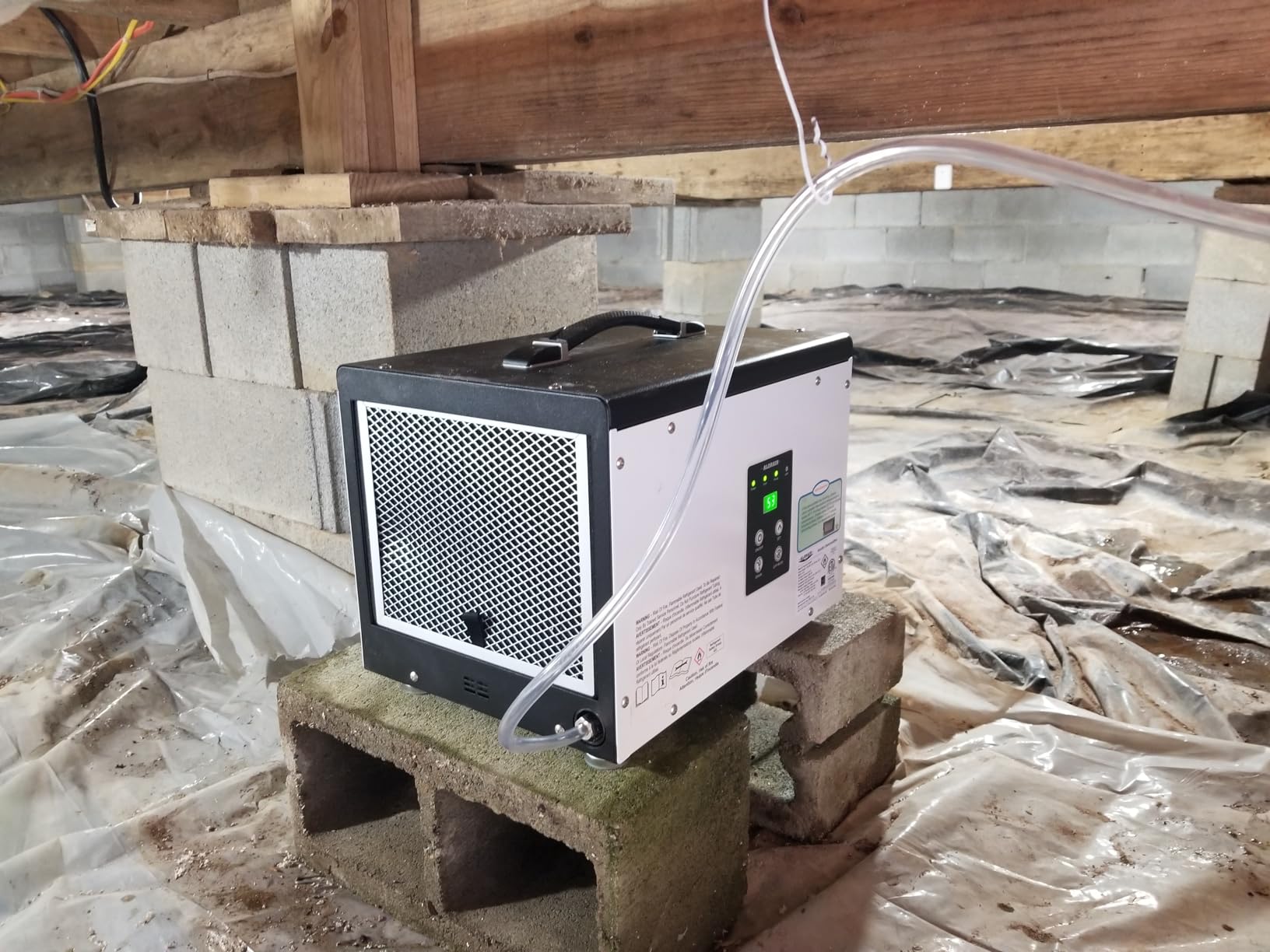
If running outdoors, plan the fall. Slope the line continuously away from the foundation, avoid any section that can hold standing water, and screen the outlet end. Standing water in a drain line invites mosquitoes and insects back through the hose.
For broader pumping guidance on other household water problems, our guides to pool pumps and bait tank pumps cover the same lift-height and fitting principles in different applications, and our inflatable tent pump guide shows how the same small-pump care applies to gear drying.
Pump Reality Check: What Actually Breaks
The pump is the first component to fail in any dehumidifier, and it often fails within the first year or two. That is not a defect in these ten machines; it is a property of small impeller pumps that sit in humid air and push water indefinitely. Knowing the four failure modes turns a dead machine into a short repair.
Impeller Damage
Scale and grit wear the impeller until it no longer moves enough water. The symptom is a tank that fills despite the pump running, and the unit shutting off on its float switch every few hours.
Stuck or Failed Check Valve
The check valve stops water from flowing back into the reservoir. When it sticks, the pump works against a head of water it cannot overcome, so it runs, gets hot, and eventually quits.
Corroded Float Switch
Mineral-heavy tap water corrodes the float switch over time. The unit then either fails to shut off when full or shuts off when it is not.
Algae and Sludge in the Line
A warm, still, algae-friendly environment. Flushing the line with a mix of water and a mild drain treatment once a season, and keeping the hose off warm concrete where possible, prevents most of it.
Repairable Fittings vs. Replace-Only Connectors
Here is a buying criterion most roundups in this space never state: units with a brass drain port that accepts a standard hose thread can be repaired with parts from any plumbing supplier. Units with proprietary push-fit connectors are cheaper to buy and harder to repair, because the fitting itself is the weak link and the replacement may only come from the manufacturer. When two machines are otherwise equal, choose the standard thread.
Rated vs. Real-World Output: Why You Should Size Up
Every capacity number on a spec sheet is measured under laboratory conditions that your basement will never reproduce. A unit rated at 50 pints per day is tested at 80°F and 60% RH in a controlled room. A real damp basement sits at 68°F and 75% RH, where the same machine produces considerably less.
This gap explains the most common one-star review in the category: not a broken machine, just a unit that never catches up. The fix is sizing, not brand selection.
Compare the two rating standards before comparing brands. Saturation ratings (95°F and 90% RH) describe the absolute maximum and read as marketing. AHAM ratings, measured at 60°F and 60% RH, describe a realistic mild day. The Moiswell Defender MP70 prints 155 pints and 70 pints for exactly this reason, and the ALORAIR Storm LGR prints 180 and 85.
Our rule: pick the next size up from what the coverage chart suggests. A larger unit at a higher humidistat setting runs fewer minutes per hour, stays quieter on average, and idles instead of running nonstop. In a crawl space, budget for a further step up again, since ground moisture and low ambient temperature both cut output.
Buying Guide: How to Choose a Pump Dehumidifier
Capacity and Room Size
Under 1,500 square feet in a normally conditioned room calls for a 50-pint unit. Between 1,500 and 3,000 square feet, step to 70 to 90 pints. Between 3,000 and 5,000 square feet with active dampness, go to 130 pints or above. Over 5,000 square feet, or any space with water actively entering, treat 150 to 180 pints as the floor rather than the ceiling.
Pump Lift Height
This is the single most misunderstood spec. Lift height is the maximum vertical distance the pump can push water, not the total hose length you can run horizontally. Residential units commonly publish 10 to 16 feet, while dedicated crawl space machines reach 19.6 feet.
The rule is simple: measure the vertical distance from the drain port to your drain point, then pick a unit rated above it. A finished basement with the dehumidifier on a shelf often needs more lift than people expect.
The Three Drainage Methods and When Each Applies
An internal pump handles the basement with no floor drain, which is the whole point of a pump unit. Gravity drainage works only if the drain sits below the unit's outlet, which is why most pump machines still ship a short gravity hose as a backup. Tank collection suits short-term drying where nobody needs to move the unit, and it is also the failure mode you are paying to avoid.
If you do have a working floor drain, a pump unit can still use it, and you can bypass the pump entirely. Paying for a pump you will not use is not a mistake, but you should make it deliberately.
Efficiency and Running Cost
ENERGY STAR certification is the baseline. ENERGY STAR Most Efficient is the top tier and appears on the AEOCKY and avylo units here. Wattage is the number to compare directly: the avylo runs 235 watts for 90 pints, while the Moiswell Defender pulls 1,050 watts for 155 pints at saturation.
Multiply rated watts by your hours of use and your local rate for a monthly figure, then compare that against the pints delivered. Efficiency per pint is the comparison that matters over years of unattended running, and it follows the same logic we use when ranking lower-volume pumps in our aerator pump guide.
Noise Levels and Where the Unit Lives
Under 50 dB works for a living space. The avylo runs as low as 41 dB with sound and light off, and the ALORAIR Sentinel HD35P operates under 50 dB. Anything above that belongs in an unfinished basement, garage, or crawl space, where the Waykar 70 Pint's own owners describe it as industrial.
Operating Temperature Floor and Auto Defrost
Compressor dehumidifiers lose effectiveness near freezing and will ice up without a defrost cycle. For crawl spaces and unheated garages, treat automatic defrost and the published operating temperature floor as a hard filter rather than a nice-to-have. The crawl space units in this roundup all include defrost with temperature sensors, which is the main reason to choose them for those spaces.
What to Avoid
Avoid renewed and refurbished units, which owners report arriving with dented coils and weak performance shortly after delivery, and which usually carry a shortened warranty. Avoid proprietary push-fit drain connectors unless you accept replace-only repairs. Avoid undersizing in a wet basement, since an undersized unit runs continuously, costs more to operate, and never reaches your target humidity. Avoid buying a large commercial machine for a small finished room, where it will simply be too loud.
Who Should Buy Which Dehumidifier With a Pump?
If you want one proven answer for a typical basement, take the hOmeLabs. If your space is a low-clearance crawl space, the Aiusevo's joist-friendly footprint and ductable outlet solve problems the others cannot. For a genuinely damp basement at mid-size, the Waykar 70 Pint balances efficiency and capacity well.
Renters and small rooms should look at the Ivation, and anyone who needs near-silence should look at the avylo. Long lift distances call for the ALORAIR Sentinel HD35P or the Storm LGR Extreme, and the Storm LGR is the one built for active restoration work. Where energy cost drives the decision, the AEOCKY and avylo carry the highest certification tier.
Frequently Asked Questions
What is a good dehumidifier with a constant drain option?
A good dehumidifier with a constant drain option has a built-in condensate pump rated to push water high enough to reach your drain point, plus a water-level sensor that shuts the unit off if the backup tank fills. In our testing, the hOmeLabs 7,500 Sq Ft unit and the avylo 90 Pint were the most dependable combinations of pump, tank protection, and verified owner feedback. Check the published lift height against your measured vertical distance before buying.
What is the best dehumidifier for continuous use?
The best dehumidifier for continuous use is one with a built-in pump, a reliable water sensor, auto restart after a power outage, and automatic defrost. Long-term owner feedback matters more than rated capacity here, which is why models with thousands of verified reviews rank at the top of our list. Whichever you choose, flush the drain line once a season and confirm the float shutoff works before leaving it unattended.
Should I get a dehumidifier with a built-in pump?
You should get a built-in pump if your space has no floor drain, if hauling water is impractical, or if you want the unit to run for days without attention. A pump removes the biggest maintenance task and the biggest failure point of a portable dehumidifier: an unemptied tank. If you do have a working floor drain below the unit outlet, gravity drainage is simpler and you are paying for a feature you may never use.
How high can a dehumidifier pump lift water?
Most residential pump dehumidifiers publish lift heights between 10 and 16 feet, while dedicated crawl space machines reach 19.6 feet. The ALORAIR Sentinel HD35P and Storm LGR Extreme both rate 19.6 feet, and the Storm LGR pairs that with a 19.6-foot hose. Measure the vertical distance from your drain port to your drain point and choose a unit rated above that number.
Why does my dehumidifier pump stop working?
Four causes account for most pump failures. Scale and grit wear the impeller, a stuck check valve stops water returning to the reservoir, mineral-heavy water corrodes the float switch, and algae or sludge clogs the drain line. If your tank keeps filling while the pump runs, suspect the impeller or check valve. Flushing the hose each season and choosing a unit with a standard-threaded brass drain port rather than a proprietary connector reduces how often you face this.
The Bottom Line
Ten models, one clear winner. The hOmeLabs 7,500 Sq Ft 50 Pint with pump is our editor's choice because it pairs a verified 4.6 rating across 15k+ reviews with an integrated pump, a washable filter, and auto restart, which is the combination most likely to still be running in year five.
Match the machine to the constraint rather than the capacity number. Low crawl space clearance points to the Aiusevo, a long vertical drain run to the ALORAIR Sentinel HD35P, near-silence to the avylo, and active water damage to the ALORAIR Storm LGR Extreme or the Moiswell Defender MP70. Measure your lift height before you order, and size up one step.
Use the buttons above to check the current details on each unit, and set up the drainage properly before you leave anything running unattended.