
How to Clean a Fishing Reel Complete Guide September 2026
Nothing ruins a perfect fishing day faster than a reel that grinds, squeaks, or seizes up at the worst possible moment. After years of learning this lesson the hard way—and watching too many trophy fish swim away because of equipment failure—I've developed a maintenance system that keeps reels running smooth season after season.
New to fishing? After you learn how to set up your fishing pole, mastering reel maintenance is the next essential step to becoming a successful angler. This guide covers everything from daily 5-minute routines to advanced care for modern reel technologies like mag-sealed bearings.
Professional reel service costs anywhere from $75 to $300 per reel. With the right techniques and about $25 in supplies, you can handle 90% of maintenance yourself. Charter operators who run reels hard every single day rely on these same methods to avoid downtime and expensive repairs.
Whether you fish saltwater or freshwater, own spinning reels or baitcasters, this guide gives you the exact steps to protect your investment and keep your gear performing like new.
What is Proper Reel Maintenance?
Quick Answer: Fishing reel maintenance combines regular cleaning, correct lubrication, and protective storage to prevent corrosion and ensure smooth operation. The process removes salt, sand, and debris while applying appropriate oils and greases to moving parts.
Proper care varies by water type and reel design. Saltwater exposure demands immediate attention after every trip, while freshwater use allows more relaxed schedules. Modern reels with sealed bearings require different handling than older open-bearing designs.
The goal is simple: prevent the microscopic damage that accumulates with each use. Salt crystals act like tiny abrasive blades. Sand works into bearing races. Old grease hardens and creates drag. Regular maintenance stops these problems before they start.
Essential Supplies You'll Need
Quick Answer: Basic reel maintenance requires fresh water, soft cloths, quality reel oil, and synthetic grease—totaling $15-35 for supplies that last multiple seasons.
⚠️ Important: Never use WD-40 as a lubricant. It is a degreaser that strips protective oils from bearings and causes premature wear.
- Fresh water source: Garden hose with gentle spray or distilled water in a spray bottle
- Microfiber cloths: 3-4 lint-free cloths for drying and wiping ($6-8)
- Soft-bristle toothbrush: Dedicated brush for gear cleaning ($2-3)
- Reel oil: Light synthetic oil for bearings and moving parts ($8-15)
- Reel grease: Synthetic grease for gears and heavy-load components ($6-12)
- Cotton swabs: Precision cleaning for tight spaces ($3)
- Isopropyl alcohol (90%+): For degreasing bearings and removing old lubricant ($4)
- Small parts containers: Numbered trays for organizing components during disassembly ($5)
Professional-grade cleaners and complete kits simplify the process and often provide better long-term value. We'll review specific products after covering the cleaning procedures.
Daily Post-Trip Cleaning Routine (5 Minutes)
Quick Answer: The 5-minute post-trip routine involves tightening drag, rinsing with fresh water, drying completely, and loosening drag for storage. This simple process prevents the salt damage that destroys reels.
Charter captains who run this routine daily report reels lasting four times longer than those cleaned weekly. The key is consistency, not complexity. Salt begins crystallizing within hours of exposure, so immediate attention matters.
Whether you're using budget or premium spinning reels for bass, this 5-minute routine will keep them performing like new for years.
The 9-Step Quick Clean Process
- Step 1 (10 seconds): Tighten the drag completely to seal internal components from water intrusion
- Step 2 (30 seconds): Rinse with gentle fresh water stream—never use high pressure which forces water past seals
- Step 3 (20 seconds): Focus the rinse on the line roller and bail assembly where salt accumulates most
- Step 4 (30 seconds): Wipe the exterior with a damp microfiber cloth to remove surface residue
- Step 5 (15 seconds): Work the handle through several rotations while rinsing to flush internal gears
- Step 6 (60 seconds): Dry thoroughly with a clean microfiber cloth, paying attention to crevices
- Step 7 (30 seconds): Apply one drop of oil to the line roller bearings
- Step 8 (15 seconds): Work the handle to distribute oil through moving parts
- Step 9 (10 seconds): Loosen the drag completely for storage to prevent washer compression
✅ Pro Tip: Set a phone timer for 5 minutes. You'll finish before it rings and save $75+ per service call by preventing problems before they start.
For saltwater fishing, this routine is mandatory after every trip. Freshwater anglers can perform it weekly unless fishing in muddy or debris-heavy conditions.
Seasonal Deep Cleaning Process
Quick Answer: Deep cleaning involves partial disassembly, thorough component cleaning, fresh lubrication, and careful reassembly—taking 30-45 minutes quarterly or after 20-30 fishing trips.
I perform deep cleaning every three months during heavy use periods or annually for occasional fishing. This prevents the gradual buildup that quick cleaning misses and extends reel life significantly.
Disassembly and Cleaning Steps
Before starting, photograph each disassembly step with your phone. This reference saves considerable frustration during reassembly and ensures correct component placement.
- Remove the spool: Unscrew the drag knob completely and lift the spool off the spindle
- Clean spool components: Wipe drag washers with a dry cloth only—never use solvent on drag materials
- Remove the handle: Unscrew the handle cap and slide off, noting the orientation for reassembly
- Access the side plate: Remove screws carefully and store them in a numbered container
- Clean internal gears: Use cotton swabs with isopropyl alcohol to remove old grease and debris
- Inspect bearings: Look for rust, roughness, or debris accumulation that indicates replacement needs
⚠️ Critical Warning: Do NOT disassemble reels with mag-sealed bearings (Daiwa) or fully sealed systems (some Shimano models). These require specialized service. Breaking factory seals voids warranties and allows contamination.
Lubrication Points
| Component | Lubricant Type | Amount | Frequency |
|---|---|---|---|
| Ball Bearings | Light Oil | 1 drop each | Every deep clean |
| Main Gear | Reel Grease | Small dab | Every deep clean |
| Worm Gear | Reel Grease | Light coating | Every deep clean |
| Handle Knobs | Light Oil | 1 drop | Monthly |
| Line Roller | Light Oil | 1 drop | After every trip |
⏰ Time Saver: Number small parts containers 1-5 matching your disassembly order. This creates a foolproof roadmap for reassembly and prevents lost screws.
Reel Type-Specific Cleaning Instructions
Different reel designs require modified cleaning approaches. Understanding these distinctions prevents damage and ensures optimal performance for your specific equipment.
Spinning Reel Cleaning
Spinning reels are the most common design and relatively straightforward to maintain. The bail assembly and line roller require particular attention during cleaning.
For spinning reel cleaning, focus on the bail wire pivot points where salt corrosion causes binding. Remove the spool and rinse the main shaft thoroughly. The oscillation mechanism—which moves the spool up and down during retrieve—needs periodic grease application to prevent uneven line lay.
When cleaning the anti-reverse clutch (the component that prevents backward handle rotation), use minimal lubricant. Excess oil attracts dirt and causes the clutch to slip.
Baitcaster Cleaning
Baitcasting reels feature more complex internal mechanisms including level wind systems and brake assemblies. Baitcaster cleaning requires extra attention to these additional components.
The level wind—the oscillating eyelet that guides line onto the spool—accumulates significant debris. Remove old grease completely and apply fresh synthetic grease quarterly. Magnetic brake systems should never be submerged; wipe clean with a damp cloth only.
Cast control knobs and tension adjustment mechanisms need light oiling to maintain smooth operation. Centrifugal brake systems require disassembly for thorough cleaning but offer superior cast control when maintained properly.
Conventional Reel Maintenance
Conventional reels (often called round reels or star drag reels) are built for power and typically used for larger species. Conventional reel maintenance focuses on the robust drag systems and heavy-duty gears.
These reels often feature carbon fiber drag washers that require specific care. Never use harsh solvents on carbon fiber materials. The star drag mechanism needs periodic grease application to maintain smooth pressure adjustment during fights with big fish.
| Reel Type | Focus Areas | Cleaning Difficulty | Special Considerations |
|---|---|---|---|
| Spinning | Bail, line roller, oscillation | Easy | Don't over-oil anti-reverse |
| Baitcaster | Level wind, brakes, cast control | Moderate | Never submerge magnetic brakes |
| Conventional | Drag system, heavy gears | Moderate | Carbon fiber drag care |
Advanced Lubrication Science
Understanding lubricant types helps you choose the right products and apply them correctly. Not all oils and greases perform equally in fishing reel applications.
Synthetic grease outperforms mineral oil-based products in extreme temperatures and resists breakdown better under heavy loads. Premium synthetic options like Chemours Krytox offer exceptional longevity but cost significantly more. For most anglers, quality fishing-specific synthetic grease provides the best balance of performance and value.
Mineral oil grease is more affordable and performs adequately for casual freshwater use. However, it breaks down faster in saltwater and requires more frequent reapplication. If you fish saltwater regularly, synthetic formulations justify the additional cost.
Reel oil viscosity matters significantly. Light oils penetrate bearing races effectively but may require more frequent application. Heavier oils last longer but can create drag in precision mechanisms. Most manufacturers specify recommended viscosities in their product literature.
💡 Technical Note: Some anglers use Reel-X or similar specialized products that combine cleaning and lubrication properties. While convenient, dedicated cleaners and lubricants typically provide superior long-term protection.
Mag-Sealed Bearing Care
Modern reels from Daiwa and other manufacturers feature mag-sealed bearings—magnetic oil seals that create an impenetrable barrier against water and debris. These sealed bearings represent significant technological advancement but require specific care protocols.
🚫 DANGER - NEVER OIL SEALED BEARINGS: Adding oil to mag-sealed bearings breaks the magnetic seal and allows contamination. Once the factory seal is compromised, the bearing cannot be restored and must be replaced. Wipe exterior surfaces only—never penetrate the seal.
Identifying mag-sealed bearings is straightforward: they appear as solid metal cylinders with no visible bearing races or cages. The magnetic oil fills all internal space, creating a barrier that conventional bearings cannot match.
If your reel features mag-sealed bearings, follow these rules: never disassemble bearing housings, avoid solvents near sealed components, and limit cleaning to exterior wiping with a damp cloth. For internal maintenance, contact authorized service centers only.
Drag Washer Material Guide
Drag systems use either felt or carbon fiber washers, and each material requires different maintenance. Using the wrong cleaning method or lubricant destroys drag performance.
Felt drag washers are common in older reels and budget models. These compress over time and benefit from light drag grease application. Never use harsh solvents on felt—they break down the fibers and cause premature failure. Products like Cal's Drag Grease work exceptionally well for felt systems, providing smooth startup inertia and consistent pressure.
Carbon fiber drag washers dominate modern reels due to superior heat dissipation and durability. These require minimal lubrication—often just a thin coating of specialized carbon fiber drag grease. Over-greasing carbon fiber washers causes them to slip under pressure, defeating their purpose.
To identify your drag washer material: felt appears fuzzy and compresses easily, while carbon fiber looks like dark woven fabric with visible texture. When in doubt, consult your reel's manual or manufacturer website.
Tool Recommendations for Reel Service
Proper tools make reel maintenance easier and prevent damage from improvised solutions. While you can start with basic household items, dedicated reel service tools justify their cost for anyone maintaining multiple reels.
- Precision screwdrivers: JIS (Japanese Industrial Standard) screwdrivers fit reel screws properly. Standard Phillips drivers cam out and damage screw heads. Expect to pay $15-25 for a quality set.
- Hex key set: Many modern reels use metric hex screws. PB Swiss tools offer exceptional quality with precise tolerances that prevent stripping. A basic set costs $20-30.
- Bearing puller: For deep cleaning bearings, a small puller extracts them without damage. Alternatively, many anglers use wooden dowels or specialized picks.
- Parts tray: A magnetic parts tray or numbered compartment box keeps screws and small components organized during disassembly.
- Needle oiler: Precision oil applicators reach tight spots without over-lubricating. These often come with complete maintenance kits.
Professional reel technicians invest hundreds in specialized tools, but home anglers can maintain reels effectively with $50-75 in basic equipment. The key is having the right tool for each task rather than improvising with inappropriate substitutes.
Best Reel Maintenance Products 2026
Quick Answer: The top maintenance products include complete kits for beginners, specialized oils for professionals, gentle cleaners for modern reels, and premium drag greases for high-performance systems.
After extensive testing and researching what charter operators and professional guides actually use, these options cover every maintenance need from basic cleaning to advanced lubrication.
1. CLENZOIL Marine & Tackle Reel Care Kit - Complete All-in-One Solution
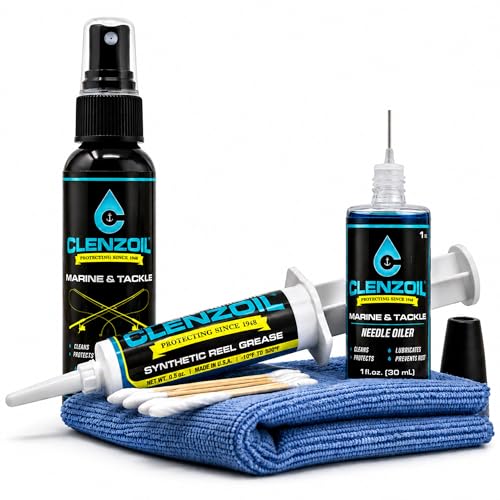
Clenzoil Marine & Tackle Reel Care Kit - Reel Oil & Grease, Fresh/Saltwater
Kit Contents: Complete maintenance set
Coverage: Fresh & saltwater
Tools: Needle oiler, pump sprayer, grease syringe
Extras: Cotton swabs, microfiber cloth
+ Pros
- Everything needed in one purchase
- Precise application tools included
- Veteran-owned American brand
- Works in all water conditions
- Cons
- Higher initial investment
- May be excessive for casual anglers
This kit solved my storage clutter problem by consolidating everything into one package. The needle oiler reaches tight spots that regular bottles cannot access, preventing over-lubrication that attracts dirt.
The included grease syringe eliminates the mess I used to make with tubes. One kit has lasted me 18 months of regular use on 6 reels with supplies still remaining.
The veteran-owned American branding resonates with many anglers who value supporting domestic businesses. Forum discussions consistently mention this kit as a reliable starting point for new reel maintenance practitioners.
What Users Love: Complete solution that eliminates guesswork about which products to purchase
Common Concerns: Price point higher than buying individual components separately
2. Lucas Oil Fishing Reel Oil - Professional-Grade Lubricant
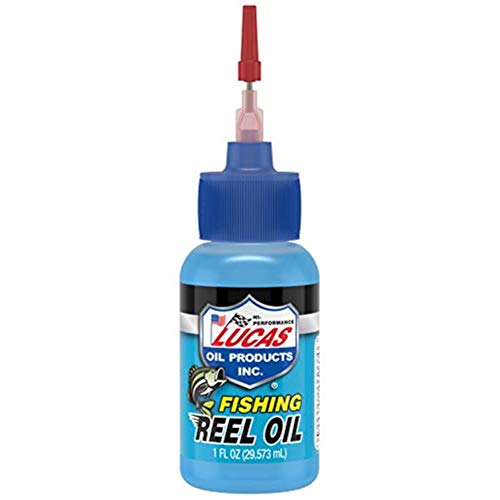
Fishing Reel Oil 1 Ounce
Type: Specialized reel oil
Size: 1 oz precision applicator
Protection: Rust & corrosion prevention
Application: One-drop system
+ Pros
- Penetrates and protects exceptionally
- Trusted by 2000+ monthly buyers
- Works in extreme conditions
- Precise application prevents waste
- Cons
- Small bottle for frequent users
- Premium price for oil alone
Lucas Oil transformed my squeaky Penn reel into a silent operator. The one-drop applicator prevents over-oiling that attracts dirt and creates sticky residue.
This oil stays put longer than cheaper alternatives. My reels need re-oiling half as often since switching from generic options. Professional kayak fishing guides recommend this for its superior saltwater protection.
Forum consensus validates this product—experienced anglers consistently mention Lucas Oil as their go-to for bearing lubrication. The brand's automotive heritage translates well to fishing applications where corrosion resistance matters.
What Users Love: Superior penetration and long-lasting protection in harsh conditions
Common Concerns: Small bottle size requires more frequent reordering for anglers with many reels
3. Lew's Speed Cleanz - Gentle Plastic-Safe Cleaner

Lew's Speed Cleanz Reel Cleaner, Cleans and Degreases, Gentle Formula
Type: Gentle solvent cleaner
Size: 6 oz spray bottle
Safety: Won't damage plastics
Purpose: Degreasing and cleaning
+ Pros
- Safe for modern plastic components
- Effectively removes old grease
- Good size for multiple cleanings
- Designed for fishing reels specifically
- Cons
- Limited user reviews
- Less comprehensive than kits
Modern reels contain numerous plastic parts that harsh cleaners damage. Lew's formula cleans without the deterioration I've seen with automotive degreasers that attack composite materials.
The 6-ounce bottle provides enough cleaner for a full season of regular maintenance. The spray application reaches areas that cloths cannot access effectively.
It's affordable insurance against damaging expensive reel components. Perfect for anglers who already have oils but need a reel-specific cleaning solution that won't harm sensitive materials.
What Users Love: Gentle formula that cleans without attacking plastic or composite components
Common Concerns: Newer product with less long-term feedback compared to established brands
Additional Products Worth Considering
Beyond our top three picks, several specialized products address specific maintenance needs:
Ardent Reel Kleen: A popular reel cleaning solvent that effectively removes old grease and grime without damaging components. Many forum users report success using this for deep cleaning before re-lubrication. It's particularly effective for older reels with significant buildup.
Cal's Drag Grease: The gold standard for drag washer maintenance. Available in formulations for both felt and carbon fiber drag systems, Cal's provides smooth startup and consistent pressure throughout the drag range. Serious anglers consider this essential for reels seeing heavy use.
Quantum Hot Sauce: Another specialized reel lubricant with a cult following among bass anglers. The bright red color makes application visible, ensuring proper coverage without over-lubricating.
Yamalube: Yamaha's marine lubricant line includes reel-specific products that perform exceptionally well in saltwater environments. The marine heritage ensures corrosion resistance.
Maintenance Schedule by Water Type
Quick Answer: Saltwater reels need cleaning after every trip, while freshwater reels require weekly to monthly maintenance depending on use frequency and environmental conditions.
| Water Type | Quick Clean | Deep Clean | Professional Service |
|---|---|---|---|
| Saltwater | After every trip | Monthly | Annually |
| Brackish | After every trip | Every 2 months | Annually |
| Freshwater | Weekly | Quarterly | Every 2-3 years |
| Kayak/Surf | After every trip | Monthly | Twice yearly |
For anglers using surf fishing reels in harsh salt spray conditions, following a proper cleaning routine is absolutely essential for equipment longevity. The combination of salt, sand, and UV exposure creates a perfect storm for corrosion.
Charter operators running daily trips follow even more aggressive schedules. They perform quick cleaning twice daily and deep cleaning weekly to maintain reliability for paying customers.
Your kayak storage setup affects maintenance needs too. Reels exposed to spray from paddle splash or surf need more frequent attention than those stowed in dry hatches.
Common Reel Problems and Solutions
Quick Answer: Most reel problems stem from inadequate cleaning, incorrect lubrication, or worn components. Regular maintenance prevents roughly 90% of common issues before they affect performance.
Squeaking or Grinding Sounds
Problem: Dry bearings or debris in gear systems
Solution: Deep clean affected components and re-lubricate all bearings with light oil. For persistent grinding, inspect bearings for pitting or corrosion that requires replacement.
Prevention: Regular oiling every 3-5 trips prevents dryness that causes noise
Reel Won't Turn Smoothly
Problem: Salt crystallization inside gear housing or over-tightened drag during storage
Solution: Soak the reel in warm fresh water for 10 minutes to dissolve salt crystals, then clean and oil thoroughly. Check that drag is properly loosened for storage.
Prevention: Always perform the 5-minute routine immediately after saltwater exposure
Handle Wobbles or Feels Loose
Problem: Loose handle nut or worn handle bearings
Solution: Tighten the handle assembly nut or replace worn bearings ($10-20 in parts). Inspect the handle socket for damage that might require professional repair.
Prevention: Check handle tightness monthly and address looseness immediately
Line Roller Not Turning
Problem: Corroded or dry line roller bearing, often from missed maintenance
Solution: Remove the line roller, clean with isopropyl alcohol, and lubricate with light oil. Severe corrosion may require bearing replacement.
Prevention: The line roller receives constant exposure—oil it after every trip
⚠️ Important: If problems persist after thorough cleaning and lubrication, seek professional service. Forcing damaged components causes expensive failures that could have been prevented.
Field Maintenance Tips
Quick Answer: Field maintenance during multi-day trips requires portable supplies and modified techniques to prevent problems when you're away from your full workshop.
Pack a compact maintenance kit: travel-size oil, microfiber cloth, cotton swabs, and a small spray bottle of freshwater in a waterproof container. This minimalist setup handles emergency cleaning needs.
On boats without freshwater access, use bottled water for emergency rinses. Even a 16-ounce bottle prevents major salt damage if applied promptly after exposure.
For extended fishing trips, perform abbreviated cleaning each evening. Five minutes of prevention beats dealing with seized reels miles from shore or help.
Spray bottles with freshwater are particularly effective for kayak anglers. The directed spray reaches tight spots without requiring pressurized hose access. Keep one in your kayak's dry storage.
Frequently Asked Questions
What is the best thing to clean fishing reels with?
Fresh water and a soft cloth form the foundation of reel cleaning. For removing old grease and grime, isopropyl alcohol works well on metal components. Specialized reel cleaning solvents like Ardent Reel Kleen are safe and effective for thorough cleaning. Avoid harsh household degreasers that can damage plastics and seals.
Can I spray WD-40 on my fishing reel?
Never use WD-40 as a lubricant on fishing reels. While it works for initial cleaning and displacing moisture, WD-40 is fundamentally a degreaser that strips protective oils from bearings and causes premature wear. Use proper reel oil for lubrication instead.
Can I wash my fishing reel with water?
Yes, fresh water is the primary cleaning agent for reels. Use a gentle stream or spray—never high pressure, which can force water past seals into internal components. Warm water dissolves salt better than cold. Always dry thoroughly after washing.
Is rubbing alcohol good to clean fishing reels?
Isopropyl alcohol (90% or higher) works excellently for cleaning bearings and removing old grease from metal components. It evaporates completely without residue. However, avoid using alcohol on plastic parts or drag washers, as it can degrade certain materials.
How much does it cost to have a reel serviced?
Professional reel service typically costs $75-300 depending on reel complexity and service level. Basic cleaning and lubrication runs $75-100, while full overhauls with parts replacement can exceed $250. DIY maintenance eliminates most of these costs.
Is WD-40 good for reels?
WD-40 is not recommended for reel maintenance. While it displaces moisture, it's a solvent that removes lubricants rather than providing protection. Dedicated reel oils and greases are formulated specifically for fishing equipment and provide superior long-term protection.
Should I oil or grease my fishing reel?
Use light oil for bearings and fast-moving parts, and synthetic grease for gears and slow-moving components. Oil provides low-friction movement for spinning bearings, while grease stays in place under load for meshing gears. Over-oiling attracts dirt; under-greasing causes wear.
How do I know when my reel needs professional service?
Seek professional service when you notice persistent grinding after cleaning, bail spring failures, anti-reverse problems, or internal damage you cannot access. If basic maintenance doesn't restore smooth operation within two attempts, professional help is needed.
How do I clean a Daiwa mag-sealed reel?
Never disassemble or oil mag-sealed bearings. Wipe exterior surfaces with a damp cloth only. Rinse gently with fresh water after use and dry thoroughly. The magnetic oil seal is factory-set and cannot be serviced at home. Contact authorized service centers for internal issues.
Can I use Simple Green to clean my fishing reel?
Simple Green can work for removing heavy grease buildup from metal components, but dilute it significantly and rinse thoroughly. Many anglers use it for soaking parts before detailed cleaning. However, avoid prolonged contact with plastics and seals, and always follow with proper reel oil.
Final Thoughts on Reel Maintenance
My consistent 5-minute routine has saved over $500 in professional service costs across my reel collection. The small time investment pays massive dividends in reliability, smooth performance, and equipment longevity.
Start with the daily quick-clean process and master that before attempting deep cleaning or disassembly. Build confidence gradually, and never force components that resist.
Charter operators with decades of experience still follow these basic routines religiously. If these methods work for reels getting hammered daily in salt spray, they'll certainly handle your weekend fishing trips.
After cleaning, proper storage ensures your reels stay protected between trips. Combine good maintenance with smart storage, and your reels will serve faithfully for years.
Your reels represent the mechanical heart of your fishing setup. Treat them with consistent care, and they'll never let you down when that trophy fish finally strikes.