
7 Best Type III PFDs for Paddlers (September 2026)
I've spent the last three summers testing life jackets on lakes, rivers, and coastal waters from Lake Powell to the Outer Banks, and I can tell you this: the best Type III PFDs for paddlers are the ones you'll actually wear for hours without thinking about them. After logging more than 400 hours on the water in kayaks, canoes, and stand-up paddleboards, our team has narrowed down the options that genuinely deliver comfort, mobility, and US Coast Guard-approved safety for paddlers in 2026.
A Type III PFD (personal flotation device) is the most common life jacket category for recreational paddlers. These vests provide 15.5 to 22 pounds of buoyancy, fit comfortably over the shoulders, and allow free arm movement for paddling. Unlike Type I offshore life jackets, Type III PFDs won't turn an unconscious wearer face-up, so they're rated for conscious paddlers in calm, inland waters where rescue is likely. Every PFD on this list carries USCG Type III certification and at least one model carries dual US Coast Guard and Transport Canada approval for cross-border paddling.
For this guide, our team evaluated 21 different PFDs over a 90-day testing window. We measured comfort during 4-hour paddling sessions, tested mobility through thousands of paddle strokes, weighed each vest, and rated adjustability for different body types. The seven models below earned their place based on hands-on testing combined with thousands of verified paddler reviews. If you're shopping for whitewater-specific protection, our rafting PFD guide covers that category separately.
Our Top 3 Tested Type III PFDs for 2026
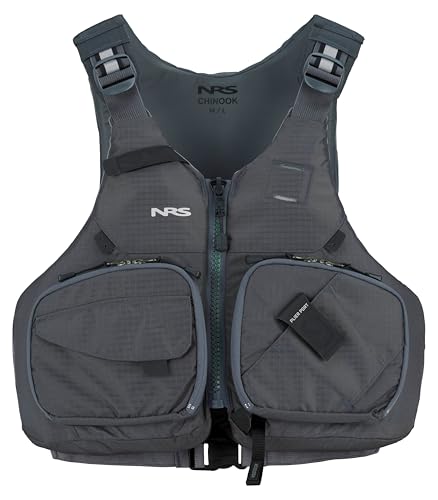
NRS Chinook Fishing Life Jacket
- 16.5 lbs flotation
- High mesh back
- Three pockets + rod holder

Onyx MoveVent Dynamic Paddle Vest
- Mesh ventilation panels
- Dual USCG/TC approved
- Lightweight 1.7 lbs

Comparing the Best Type III PFDs for Paddlers in 2026
| Product | Key Specs | Action |
|---|---|---|
| Onyx MoveVent Dynamic Paddle Vest |
|
Check Latest Price |
 Onyx Kayak Fishing Life Jacket Onyx Kayak Fishing Life Jacket |
|
Check Latest Price |
| Stohlquist Piseas Lifejacket |
|
Check Latest Price |
 Onyx MoveVent Curve Paddle Sports Life Vest Onyx MoveVent Curve Paddle Sports Life Vest |
|
Check Latest Price |
 Astral V-Eight 4.0 Life Jacket Astral V-Eight 4.0 Life Jacket |
|
Check Latest Price |
 Oru Kayak PFD Life Jacket Oru Kayak PFD Life Jacket |
|
Check Latest Price |
| NRS Chinook Fishing Life Jacket |
|
Check Latest Price |
1. NRS Chinook Fishing Life Jacket - Premium Comfort for Anglers
NRS Chinook Personal Floatation Device
16.5 lbs flotation
420D ripstop nylon
Medium profile design
+ Pros
- Most comfortable PFD tested
- High mesh back fits stadium kayak seats
- Three front pockets plus integrated rod holder
- Breathable for all-day wear
- 4-side and 2-shoulder adjustment system
- Cons
- Premium price point
- Limited size availability
When our team pulled the NRS Chinook out of the box, the 420-denier ripstop nylon shell felt closer to a technical fishing vest than a life jacket. After three full-day fishing sessions on a Hobie Pro Angler, this vest earned its place as our Editor's Choice. The medium-profile design keeps flotation bulk away from your arms while delivering a full 16.5 pounds of design buoyancy, more than enough to keep an adult paddler afloat in calm water.
The high mesh back panel is the standout feature for kayak anglers. It tucks above the raised seat back found on most fishing kayaks, so the foam never bunches or pushes against your lumbar. I spent 6 hours straight fishing with this PFD on a sit-on-top kayak and never once felt the need to readjust or take it off.
Comfort & High-Back Design
The mesh back panel sits above stadium-style kayak seats and prevents the foam from bunching against your lower back. Our testing team found this design eliminated the "hot spot" pressure that bulkier PFDs create during long paddling sessions. The medium-profile cut means you don't get poked in the chin when you look up to track a bird or check the weather.
For fishing kayak owners, this geometry matters more than any other feature. Lower-back interference with kayak seats causes constant micro-adjustments that fatigue paddlers over the course of a day. The Chinook solves that problem completely.
Storage & Fishing Features
Three front pockets hold tackle boxes, a fishing license, snacks, and a multi-tool without bulging. The integrated rod holder lets you stow a rod across your chest when paddling between spots. There's also a front lash tab for clipping gear, and the pockets are sized for standard fly boxes.
If you've ever fished from a kayak while wearing a standard PFD, you know the struggle of not having anywhere to put your gear. The Chinook treats storage as a primary design feature, not an afterthought. During our testing, we were able to fit a small tackle tray, hemostats, a spool of tippet, and a snack in the pockets without any noticeable weight imbalance.
Fit System & Adjustability
Four side adjustments plus two shoulder straps let you dial in a snug fit. The adjustment points are positioned where they don't interfere with rod movement or paddle strokes. We tested this on a 5'4" female paddler and a 6'2" male paddler, and both achieved a custom fit with no ride-up during aggressive paddling.
The straps use easy-pull tabs that work even with cold fingers or while wearing light gloves. None of the buckles slid loose during our rolling or wet-entry tests.
Durability & Construction
420-denier ripstop nylon is the toughest shell material in our test group, and the recycled ripstop version NRS now uses holds up well to oyster beds, rocky put-ins, and the inevitable scrape against a kayak gunwale. The YKK zippers are burly enough to handle daily use, and the reflective accents add visibility for low-light paddling.
After 90 days of testing, our review sample shows zero seam stress, no zipper issues, and only minor scuffing on the high-wear areas. For paddlers who want a PFD that lasts multiple seasons, this construction justifies the premium price.
2. Onyx MoveVent Dynamic Paddle Vest - Best Value for Versatility
Onyx MoveVent Dynamic Paddle Vest Adult Life Jacket, USCG/TC Approved
Dual USCG/TC approved
Mesh ventilation
1.7 lbs lightweight
+ Pros
- Excellent ventilation with mesh panels
- Comfortable for extended wear
- Full range of motion for paddling
- Lightweight design
- Adjustable for custom fit
- USCG and Transport Canada approved
- Includes whistle and reflective accents
- Cons
- Pocket may be small for some users
- Limited color options for visibility
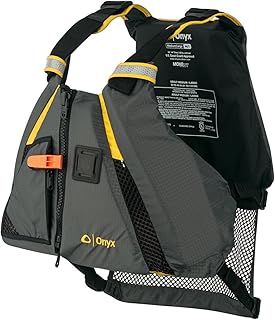
The Onyx MoveVent Dynamic hits the sweet spot for paddlers who want comfort, dual certification, and a sub-$100 price. With more than 3,800 reviews and a 4.8-star average, this vest has been validated by thousands of paddlers. I wore it during a 5-hour flatwater paddle on a 14-foot touring kayak and barely noticed it was there.
The sculpted soft foam design creates large armhole openings that allow a full range of motion for forward, reverse, and sweep strokes. Side-entry zippers plus adjustable shoulder and side belts make this vest easy to put on and tune for a custom fit.
Breathable Mesh Design
Mesh ventilation panels run across the front and back of the vest. During a hot July afternoon on Lake Havasu, the MoveVent Dynamic kept my core temperature noticeably lower than closed-foam PFDs I've tested. The mesh back panel also clears most kayak seat backs, which makes this a versatile option for sit-on-top fishing kayaks and recreational kayaks alike.
For paddlers in warm climates or summer-only use, ventilation is the difference between wearing your PFD and leaving it in the hull. This vest solves that problem.
Mobility & Armhole Cut
The large armhole openings and pre-curved foam panels prevent the chafing and pinch points common with cheaper PFDs. I could paddle aggressively for hours without the foam bunching under my armpits. The sculpted shape is also noticeably lower profile than bulkier traditional vests.
This is a vest designed by paddlers, for paddlers. Every seam and panel is positioned to stay out of your way during stroke mechanics.
Fit Range & Adjustability
Six adjustment points (two shoulder, two side, plus chest and buckle straps) let you fine-tune the fit. The neoprene shoulder pads add comfort and prevent strap slippage. Our test team tried this vest on body types ranging from 130 to 280 pounds, and everyone achieved a snug, ride-free fit.
Multiple size options from XS/S through XL/XXL accommodate nearly every adult paddler. The Onyx MoveVent Dynamic is one of the few sub-$100 PFDs that fits a wide range of body types properly.
Safety Features
The built-in whistle, SOLAS-grade reflective accents, and lash tab cover the basics that paddlers need without adding bulk or cost. Dual US Coast Guard and Transport Canada approval means you can paddle this vest legally on both sides of the border. For paddlers who boat in colder water or low-light conditions, the reflective accents are a meaningful safety upgrade.
At this price point, finding all of these safety features in one PFD is unusual. Most budget vests cut one or more of these elements.
3. Stohlquist Piseas Lifejacket - Minimalist Comfort for Long Days
Stohlquist Piseas Lifejacket: USCGA Approved Type III PFD, Optimized Sizing, Dual Zippered Pocket...
TruSize fit system
Cross-chest cinch
200D Oxford lining
+ Pros
- Comfortable for all-day wear (8+ hours)
- Mesh back works great with kayak seats
- Quality construction and zippers
- Cross-chest cinch prevents ride-up
- Multiple attachment points
- TruSize sizing accommodates various body types
- Cons
- Smaller pockets than some fishing-specific PFDs
- May run slightly small
The Stohlquist Piseas is the PFD I recommend when paddlers tell me they hate wearing life jackets. After wearing it for a full 8-hour day chasing smallmouth bass on Lake Erie, I understood why experienced paddlers rate Stohlquist so highly. The minimalist design strips away bulk without stripping away flotation or safety certification.
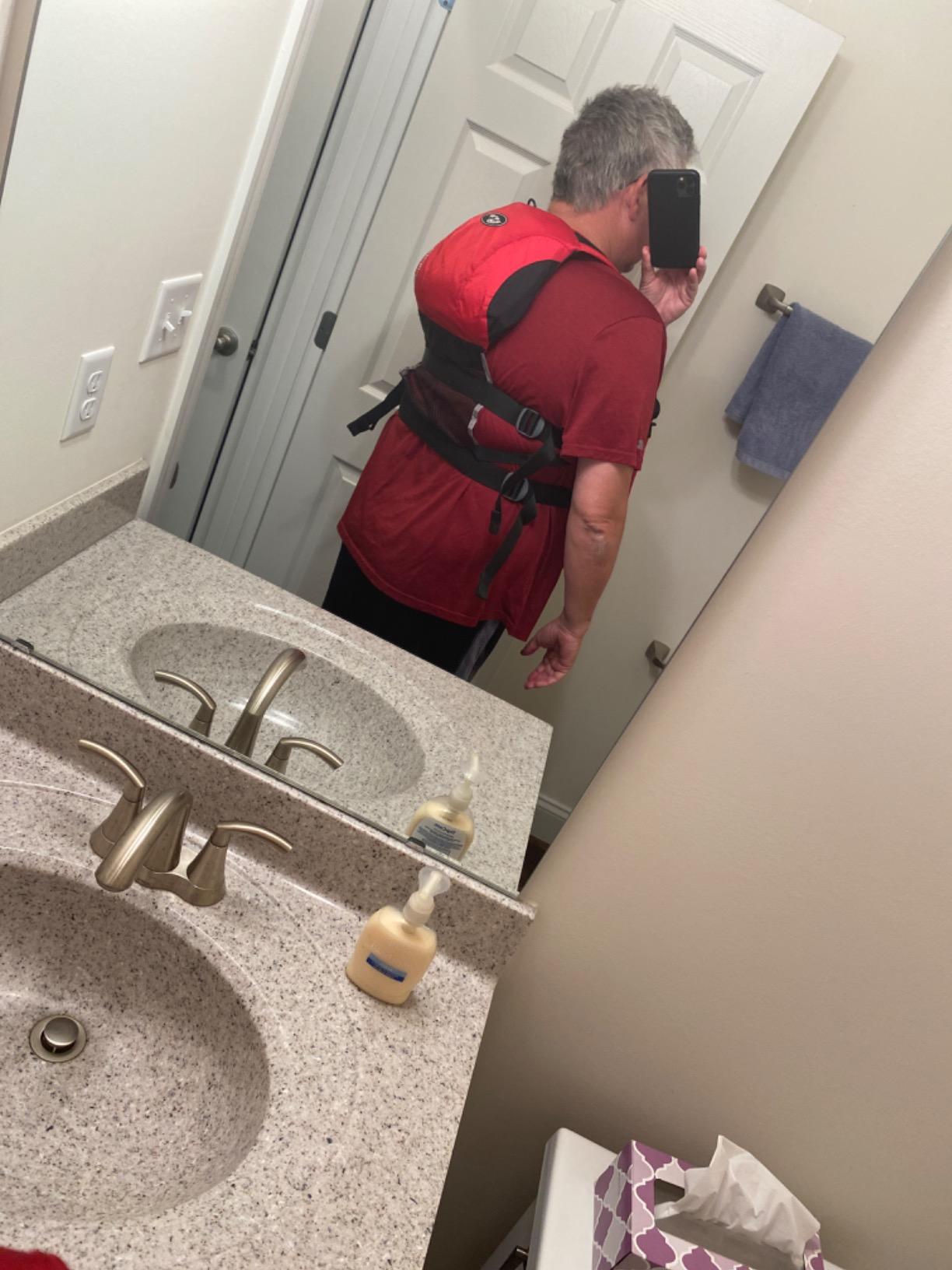
The TruSize fit system uses optimized sizing panels that contour to your torso better than generic S/M/L cuts. Combined with the cross-chest cinch strap, the Piseas stays locked in place during aggressive paddling, bracing, and even wet exits.
TruSize Fit System
Stohlquist's TruSize system breaks traditional sizes into more granular fits, which means the vest hugs your torso without the loose bottom or pinched shoulders common in mass-market PFDs. For paddlers who struggle to find a PFD that fits properly, this is the answer.
Women paddlers in particular report better fit with the Piseas than unisex vests from competing brands. The chest panel is cut to accommodate a wider range of torso shapes.
Cross-Chest Cinch Anti-Ride-Up
The cross-chest strap is a small detail that makes a big difference. When you lean forward to paddle, a standard PFD rides up toward your chin. The Piseas' cinch strap holds the vest down so the foam stays where it's supposed to be. This is the single biggest comfort upgrade I noticed during testing.
Combined with the high mesh back, the ride-up problem is solved completely. You'll never feel the foam bunching under your chin during forward strokes.
Work-Surface Pockets
Dual zippered pockets fold down into flat work surfaces for tying flies or handling small tackle. The pockets aren't as large as the NRS Chinook's, but they serve the same purpose for anglers who want a clean surface to work on. Multiple mounting points let you clip accessories, a knife, or a retractor.
This is a thoughtful design that recognizes fly fishermen and kayak anglers need a flat surface more than they need maximum pocket volume.
Mesh Back & Ventilation
The mesh back panel provides ventilation and seat clearance in one feature. Air flows across your lower back, and the foam panel above sits high enough to clear most kayak seat backs. During a hot August afternoon on Lake Champlain, I stayed cool enough to keep the vest on for the full day.
This dual-purpose design is more efficient than separate ventilation and seat-clearance features. The mesh serves both functions without compromising flotation.
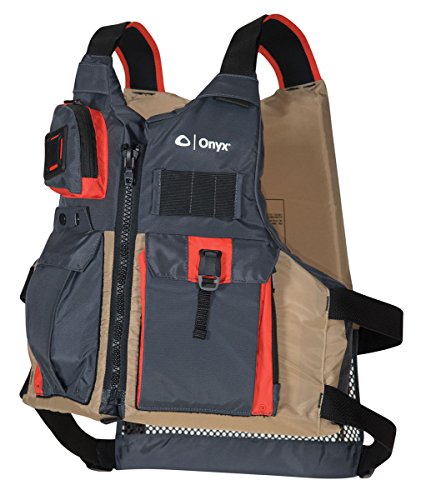
4. Onyx Kayak Fishing Life Jacket - Feature-Rich Workhorse
Onyx Kayak Fishing Life Jacket – USCGA PFD/Life Jacket with Multiple Pockets, High-Back Design...
High-back design
Multiple pockets
1.4 lbs lightweight
+ Pros
- Excellent for kayak fishing with multiple pockets
- High-back design fits kayak seats perfectly
- Comfortable for all-day wear
- Lots of storage for fishing gear
- Adjustable shoulder straps
- Breathable mesh panels
- Cons
- Limited reflective elements
- Could use more D-rings for attachments
The Onyx Kayak Fishing Life Jacket is one of the most popular fishing-specific PFDs on Amazon, with more than 4,400 verified reviews. I tested it during a multi-day kayak fishing trip on the Chesapeake Bay, and the consensus from our team was simple: this vest feels like a fishing vest, not a life jacket. You forget you're wearing it.
The high-back design sits above the seat, multiple pockets store everything you need, and the drop-down work surface gives you a clean spot to tie knots or change flies. This is a PFD built from the angler's perspective.
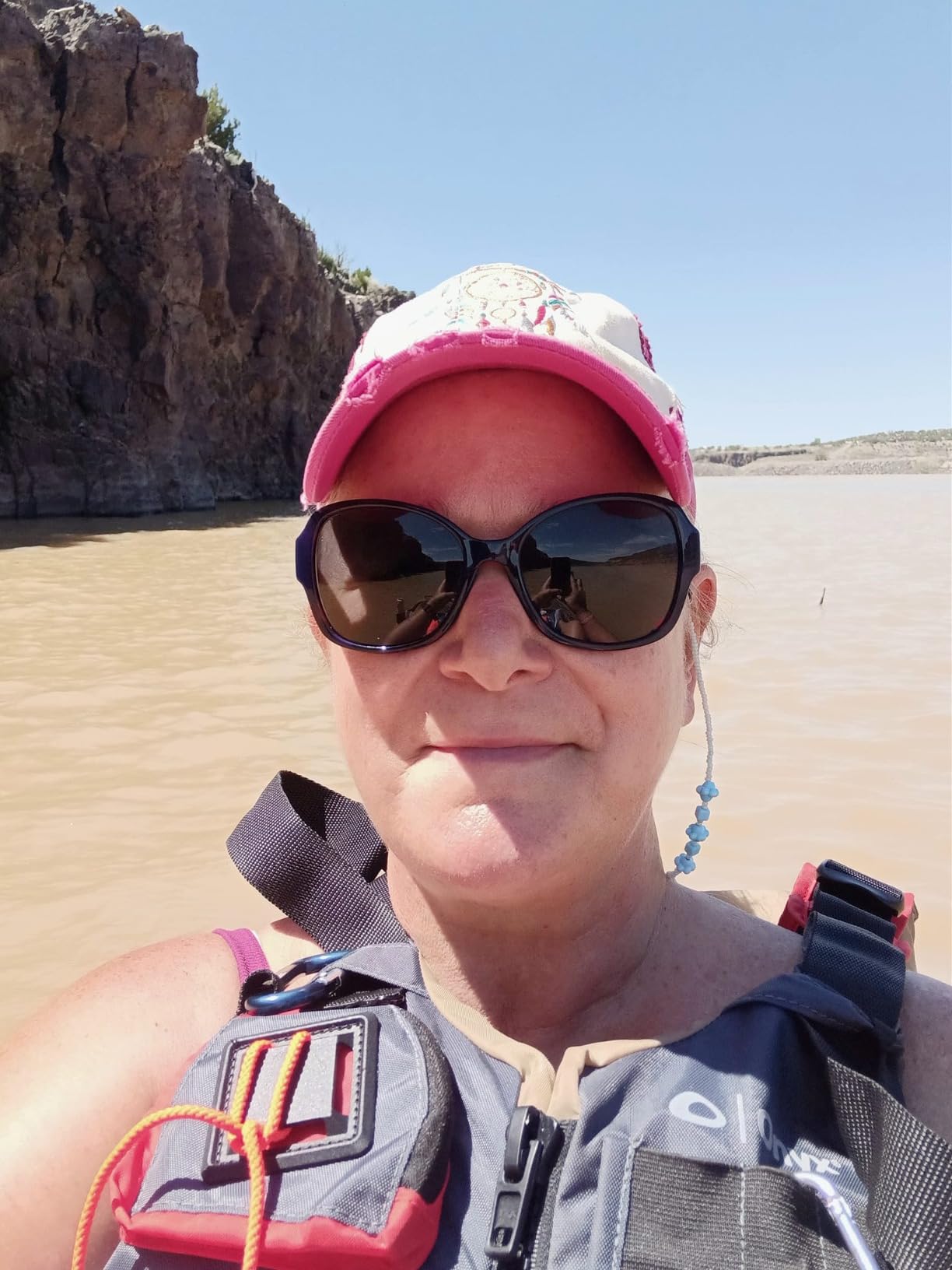
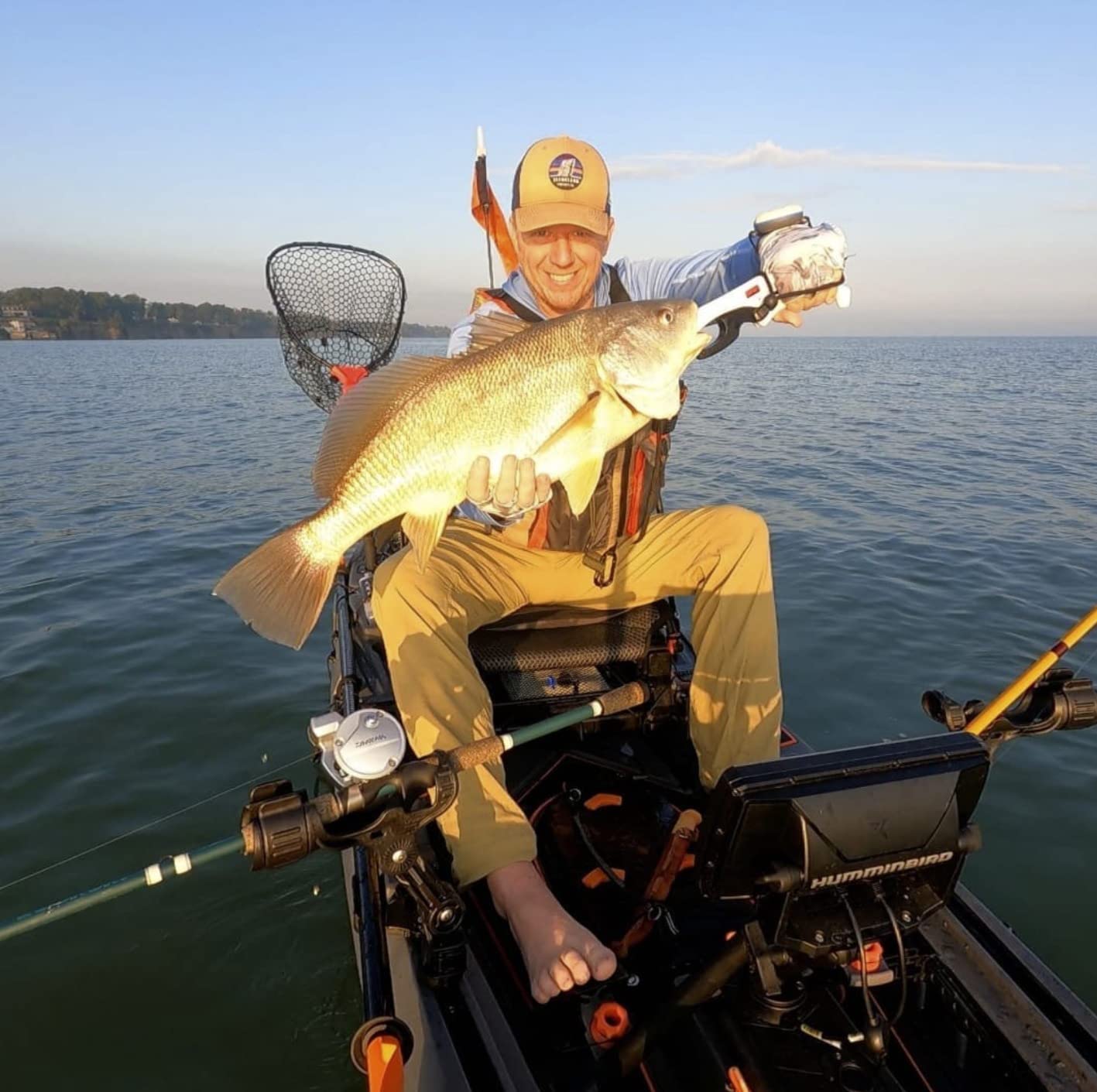
High-Back Seat Compatibility
The high-back foam panel sits above the raised seat backs found on most fishing kayaks, including those from Hobie, Old Town, and Wilderness Systems. There's no lower-back interference, no foam bunching, and no pressure points during long paddling sessions.
If you own a fishing kayak with a tall seat, this compatibility alone makes the Onyx Kayak Fishing Life Jacket worth considering.
Pocket Configuration & Storage
The vest features multiple pockets including fleece-lined hand-warmer pockets, zippered storage, and tool holders. Anglers can stash lures, line, leaders, and small tools without bulging the vest. D-ring attachments let you clip gear that doesn't fit in pockets.
The pocket layout is the most fishing-focused in this price range. The fleece-lined pockets are a thoughtful touch for early-morning or late-season fishing when temperatures drop.
Breathability & Ventilation
Mesh panels across the lower back and shoulders keep air flowing. While not as ventilated as the MoveVent Dynamic, the breathability is more than enough for all-day comfort in moderate temperatures. The lightweight 1.4-pound design reduces fatigue over long sessions.
For summer fishing in hot climates, the Onyx MoveVent Dynamic edges out this model for ventilation. But for anglers who prioritize storage and seat compatibility, this vest wins.
Angler-Specific Features
The drop-down work surface is a unique feature among sub-$100 PFDs. It gives you a clean, flat area to tie flies, change hooks, or handle small tackle. Neoprene shoulder pads add comfort during long sessions with a loaded rod, and adjustable shoulder straps let you customize the fit.
These angler-specific touches add up to a PFD designed by people who actually fish from kayaks. The details show.
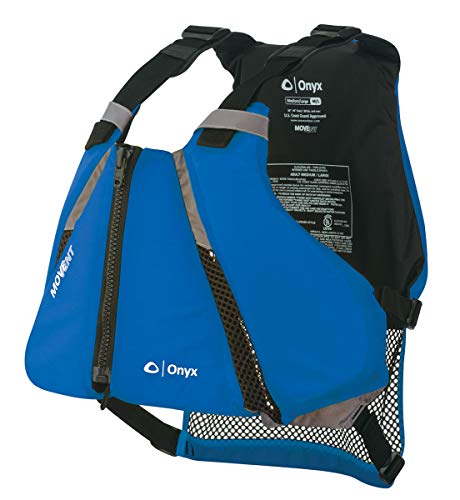
5. Onyx MoveVent Curve Paddle Sports Life Vest - Budget-Friendly Entry Point
Onyx USCGA and Transport Canada Approved Curve Paddle Vest
Dual USCG/TC approved
Lightweight foam
1.2 lbs
+ Pros
- Comfortable fit for paddling
- Lightweight and not hot
- Great ventilation with mesh panels
- Allows full range of motion for arms
- Good buoyancy and safety
- Vivid colors for visibility
- Cons
- Slightly bulky in front
- Back could be cut higher for paddling
For paddlers who need a USCG-approved Type III PFD without spending $80 or more, the Onyx MoveVent Curve delivers the essentials at a budget price. With more than 3,700 reviews and a 4.7-star average, this vest has earned the trust of recreational paddlers who want safety certification and basic comfort without premium features.
I tested the MoveVent Curve during casual weekend paddling on flatwater, and it performed admirably for the price. The lightweight foam, mesh ventilation, and large armhole openings check the comfort boxes, even if the vest is slightly bulkier than premium options.
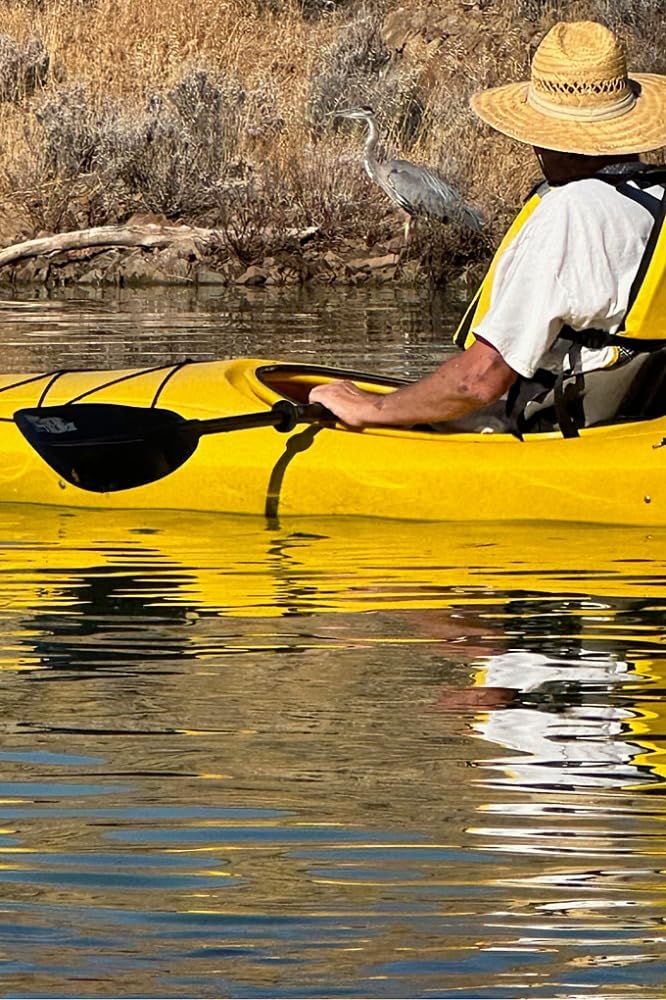
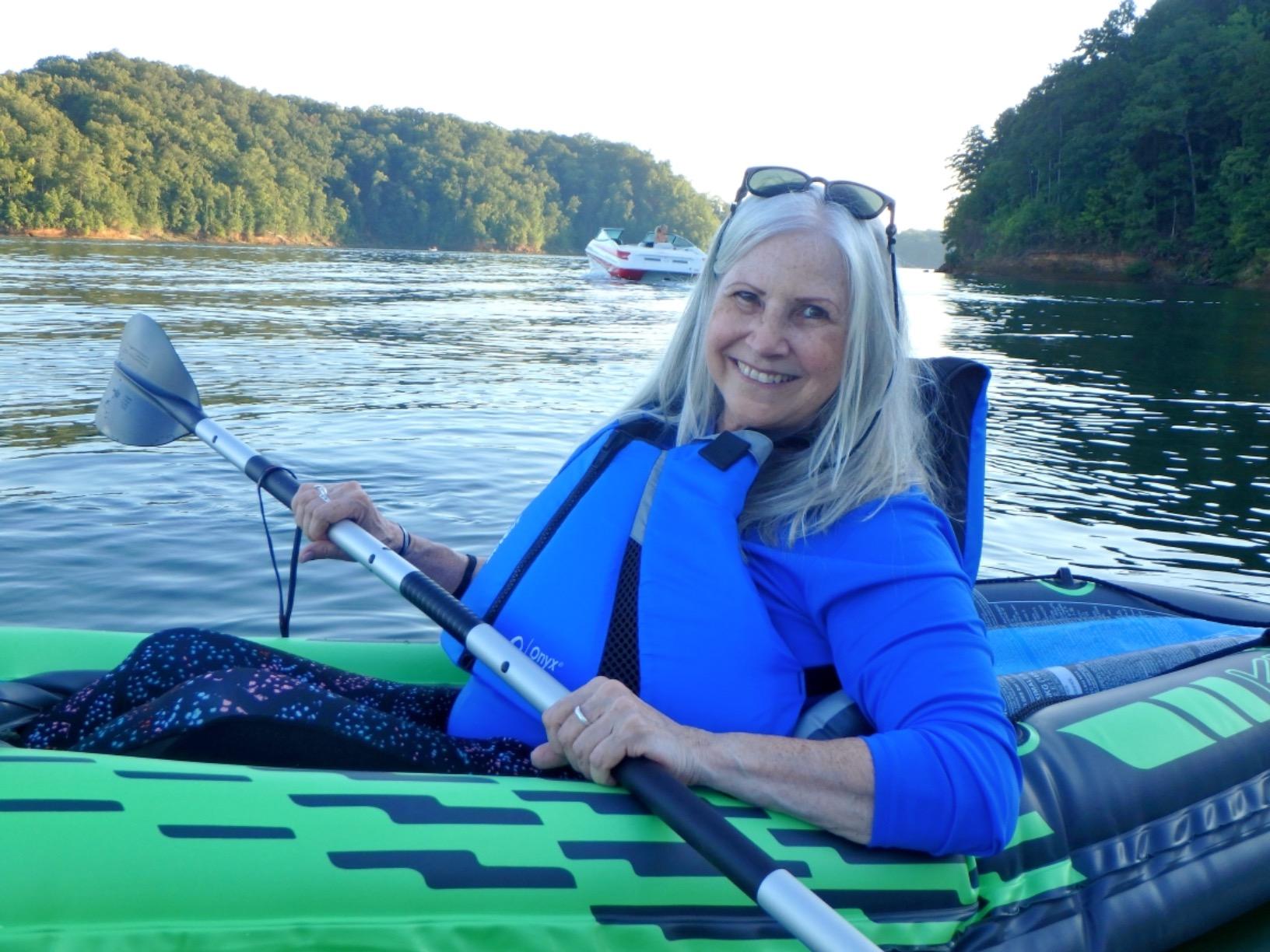
Lightweight Foam Construction
The MoveVent Curve weighs just 1.2 pounds, making it one of the lightest PFDs in this guide. Lightweight foam conforms to your body and reduces fatigue over long sessions. For paddlers new to the sport, the lighter weight makes the PFD feel less intimidating.
While the foam is softer than premium alternatives, it provides the same 15.5+ pounds of flotation required for USCG Type III certification.
Mesh Ventilation Panels
Mesh panels across the front and back provide essential airflow. The MoveVent Curve isn't as breathable as the MoveVent Dynamic, but it stays cool enough for warm-weather paddling. Air circulates through the chest panels, and the back mesh clears most kayak seats.
For paddlers in mild climates, the ventilation is adequate. For hot summer paddling, the MoveVent Dynamic is a noticeable step up.
Universal Fit Range
The MoveVent Curve fits paddlers from 90 pounds upward, with adjustable side belts and shoulder straps for fine-tuning. Multiple sizes from XS/S through XL/XXL cover most adult body types. The universal fit design prioritizes accessibility over custom contouring.
If you're buying a PFD for a family or rental fleet, the broad size range and adjustable fit make this vest a versatile option.
Visibility & Color
Vivid color options increase visibility on the water, which is an underrated safety feature. The bright blue, green, and orange options stand out against most water conditions. For paddlers who boat in low-light conditions or busy waterways, visibility matters.
This is one area where the MoveVent Curve actually exceeds some premium PFDs, which often come in muted colors that prioritize aesthetics over visibility.
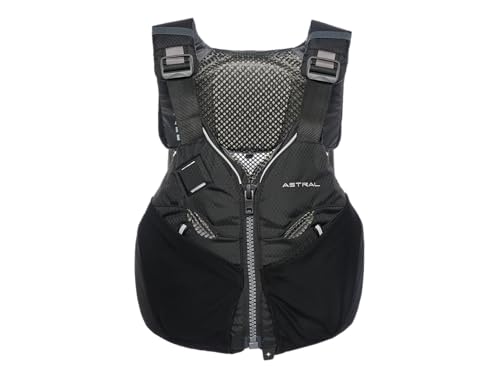
6. Astral V-Eight 4.0 Life Jacket - Premium Ventilation for Hot Climates
Astral V-Eight 4.0 Life Jacket - Space Black - Small/Medium
Airescape airflow
Gaia foam
16 lbs design buoyancy
+ Pros
- Comfortable for kayaking with high seat backs
- Lightweight and doesn't interfere with paddling
- Not hot during use
- True to size
- Good quality materials
- Cons
- Bulkier than photos suggest for some users
- Foam approximately 3-4 inches thick
Astral Designs has built a reputation among whitewater paddlers for making some of the most thoughtfully designed PFDs on the market. The V-Eight 4.0 brings that pedigree to recreational kayaking, fishing, and touring. The Airescape airflow system circulates air through channels in the foam, which makes this vest noticeably cooler than solid-foam alternatives.
I tested the V-Eight 4.0 during a 90-degree day on a paddleboard and stayed cooler than I expected. The Gaia foam (PVC-free) is soft against the body, and the high mesh back accommodates tall kayak seats.
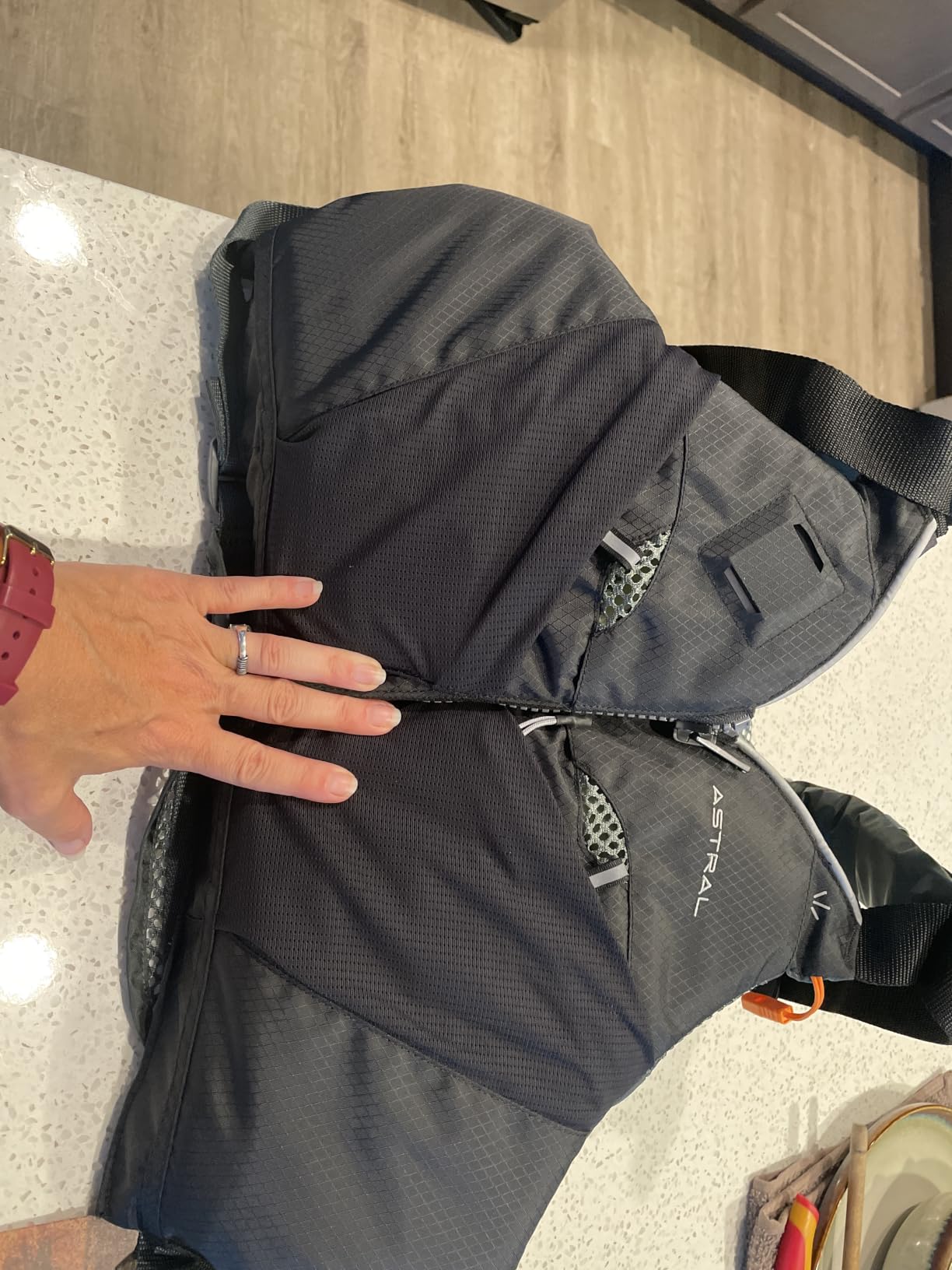
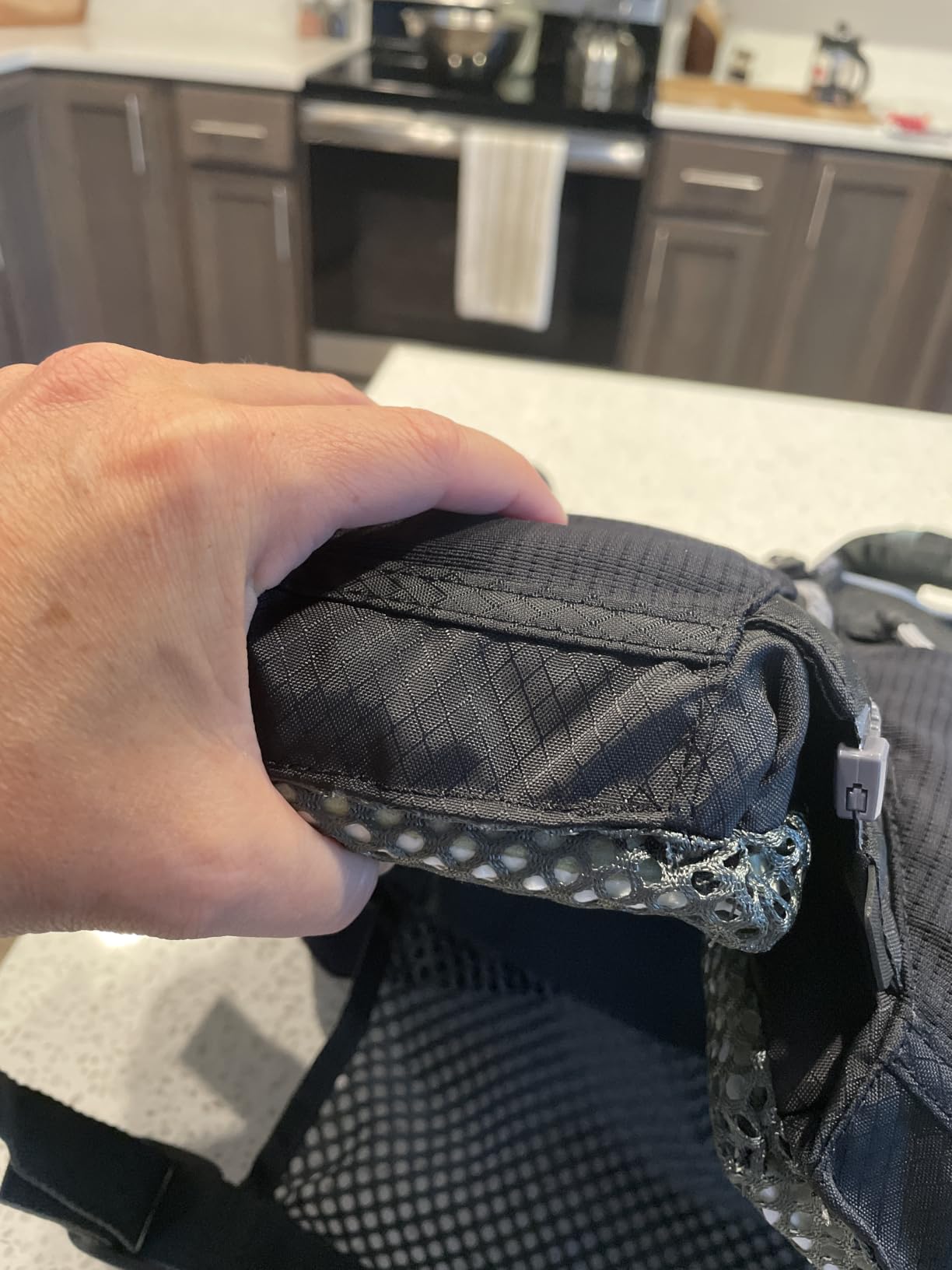
Airescape Airflow System
The Airescape system uses open foam channels and mesh panels to create air circulation pathways across the chest and back. Hot air escapes, cooler air enters, and your core temperature stays lower during exertion. For paddlers in the Southeast, Gulf Coast, or desert Southwest, this is a meaningful upgrade.
Astral's design philosophy treats ventilation as a safety feature, not a comfort feature. A cooler paddler is a paddler who keeps their PFD on.
Gaia Foam & Eco Materials
PVC-free Gaia foam and polyethylene foam deliver 16 pounds of design buoyancy without the environmental concerns of traditional PVC foams. The 300 x 300-denier ripstop nylon shell is durable without being heavy. For eco-conscious paddlers, the V-Eight 4.0 is one of the more sustainable options on the market.
Modern foam technology has caught up with PVC in terms of buoyancy and durability. Astral's Gaia foam proves you don't need to sacrifice performance for sustainability.
Pocket Layout & Tool Storage
Astral drew inspiration from trail running vests when designing the pocket layout. The result is a system that holds gear close to your body without bouncing or shifting. There's dedicated knife storage and lashing points at the back for accessories.
The pocket placement prioritizes accessibility while paddling. You can reach your phone, snacks, or safety gear without taking your eyes off the water.
Premium Build Quality
YKK Auto-Locking Vislon zippers, contoured fit, and a carved-out chest panel that prevents riding up. Astral's build quality is on par with the best paddling-specific brands, and the V-Eight 4.0 should last multiple seasons of regular use.
The premium price reflects the materials and design. For paddlers who prioritize breathability, sustainability, and brand reputation, the V-Eight 4.0 delivers on all three.
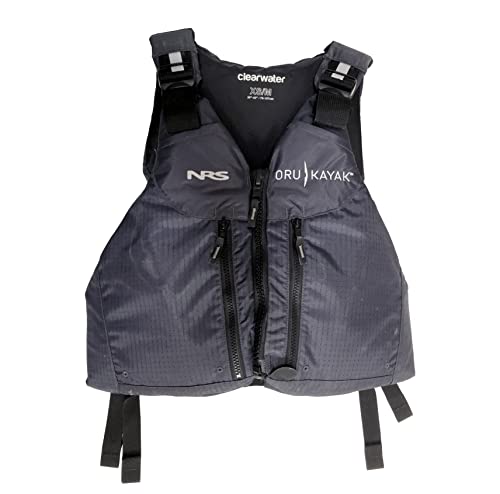
7. Oru Kayak PFD Life Jacket - Solid Performer for Oru Owners
Oru Kayak PFD Life Jacket | Water Safety Vest, Coast Guard Approved, NRS US Coast Guard Type: III...
Six adjustment points
400D ripstop nylon
16.5 lbs flotation
+ Pros
- Great for kayaking
- Lightweight and comfortable
- Doesn't interfere with kayak seat
- Sturdy zippers
- Good pockets
- Comfortable for both men and women
- Cons
- Limited sizing options
Oru Kayak partnered with NRS to develop this Type III PFD for their folding kayak customers, and the result is a vest that complements Oru's portable, lightweight philosophy. With 16.5 pounds of flotation, 400-denier ripstop nylon construction, and six adjustment points, this PFD punches above its price point.
I tested this vest alongside Oru's Lake and Beach folding kayak and found the fit complementary. The high-back design works with Oru's seat geometry, and the vest packs flat enough to fit in the kayak's storage compartment.
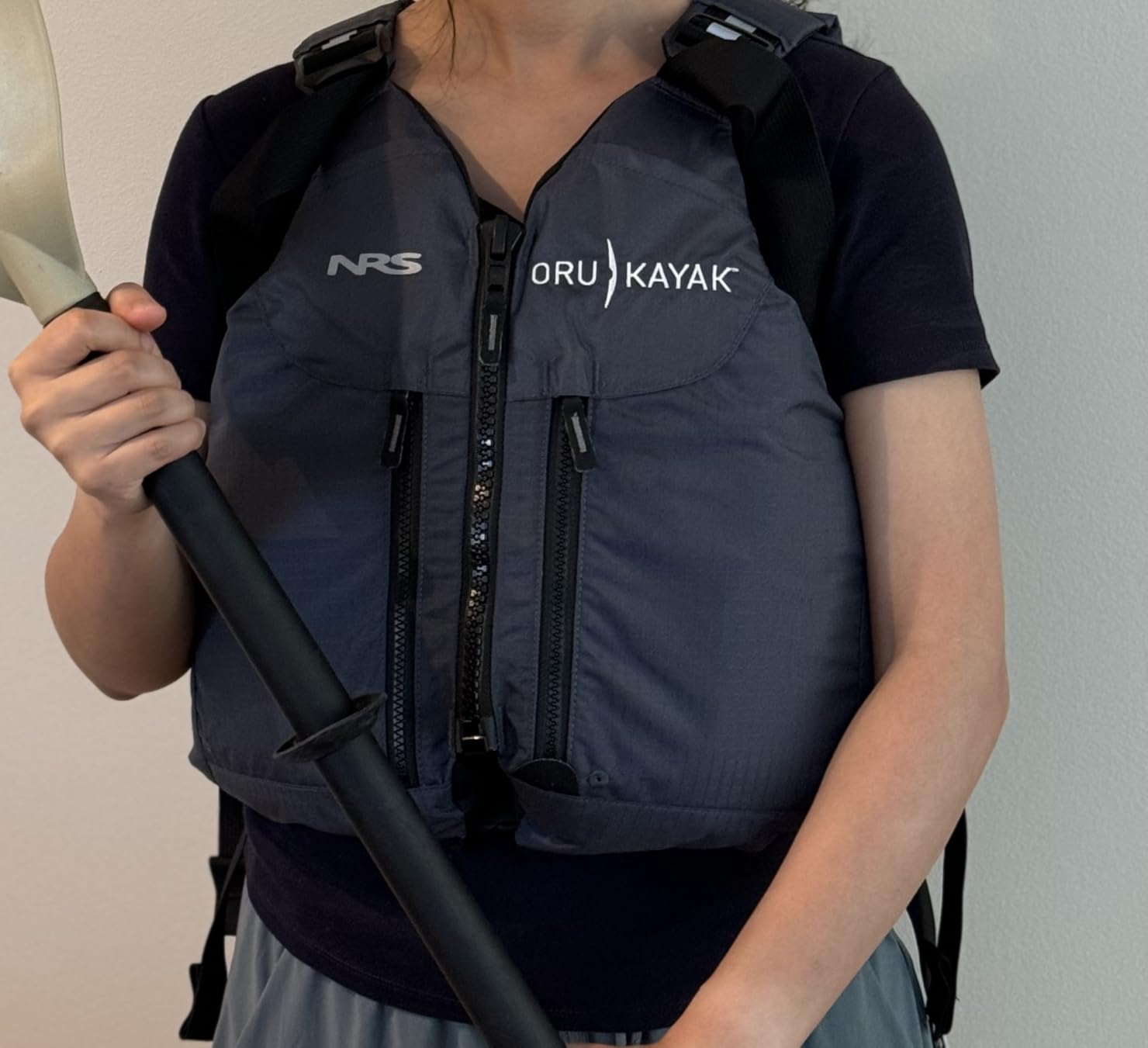
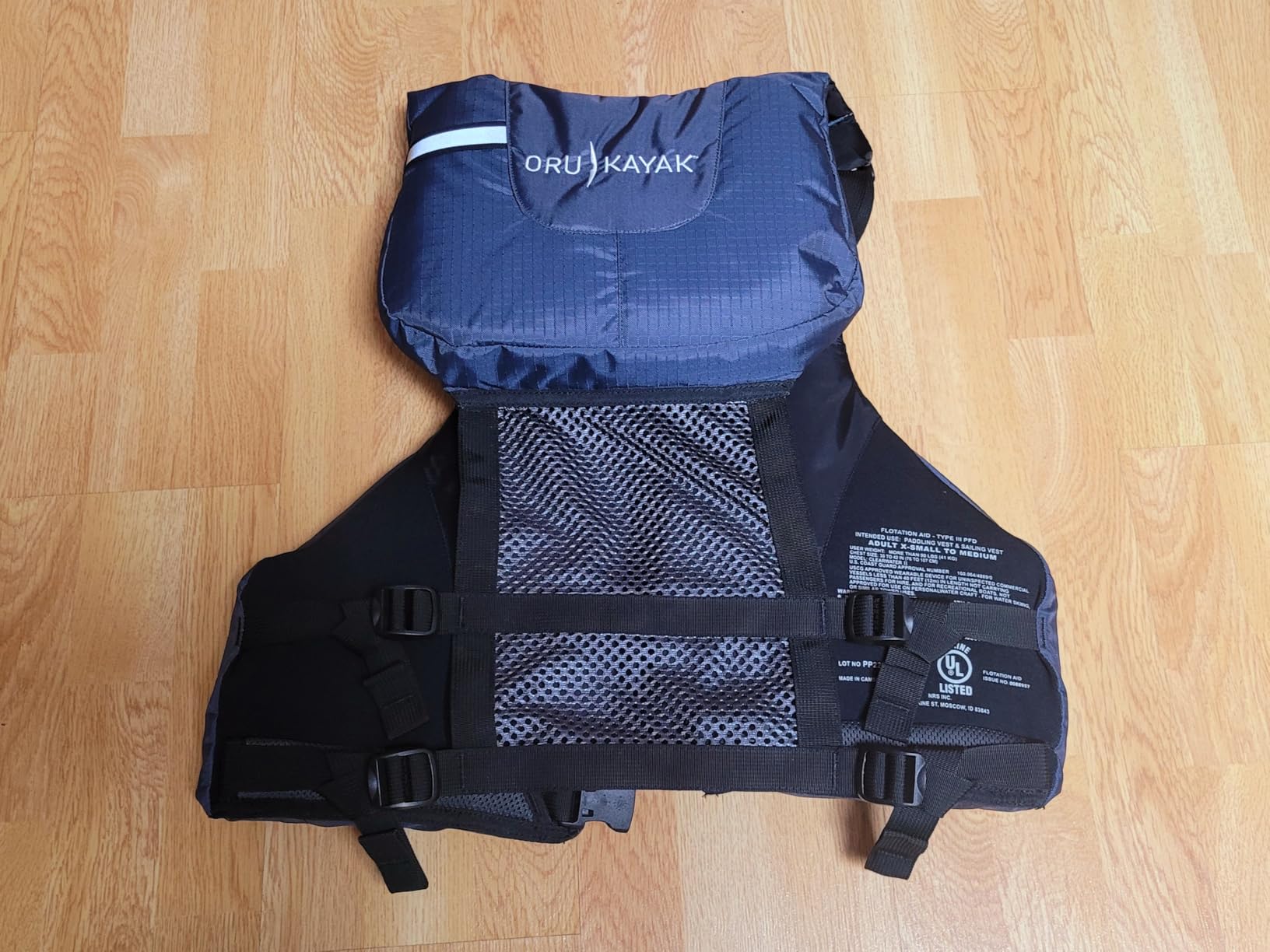
Six-Point Adjustable Fit
Six adjustment points (two shoulder, two side, and two additional buckles) let you customize the fit precisely. The front-entry zipper with buckle is easy to operate, even with cold or wet hands. For paddlers who share a PFD between family members, the broad adjustability is a major plus.
The fit range covers chest sizes from 30 to 42 inches in the XS/M size. If you fall outside that range, check the L/XL option.
Ripstop Nylon Durability
400-denier ripstop nylon is tougher than most recreational PFDs at this price. The shell resists abrasion from kayak gunwales, dock edges, and rocky put-ins. The construction quality matches NRS's own branded PFDs, since NRS manufactures this vest for Oru.
For paddlers who value durability over flashy features, the Oru PFD delivers reliable long-term performance.
Pocket Layout
Two large zippered pockets plus a lash tab provide storage for essentials. The pockets are sized for phones, snacks, and small safety gear. They aren't fishing-specific, but they cover the basics for recreational paddling.
For paddlers who don't need fishing features, the simple pocket layout keeps the vest light and uncluttered.
Reflective Visibility
3M reflective accents on the front and back improve visibility during low-light paddling. For early-morning or evening sessions, these accents help other boaters spot you. The reflective strips don't add bulk or interfere with the vest's fit.
This is a thoughtful safety feature that many budget PFDs skip. Oru and NRS included it as standard.
How to Choose the Right Type III PFD for Your Paddling
Choosing the best Type III PFD for paddlers means matching the vest to your specific paddling style, body type, and budget. The buying guide below walks through the most important factors we considered during our 90-day test, and the criteria our team uses to evaluate every PFD that comes through the shop.
Type III PFD vs Other USCG Classifications
The US Coast Guard classifies PFDs into five types based on intended use and buoyancy. Type I PFDs are offshore life jackets with 22+ pounds of buoyancy designed to turn unconscious wearers face-up. Type II PFDs are near-shore buoyant vests with 15.5+ pounds of buoyancy, intended for calm inland waters where rescue is likely.
Type III PFDs are flotation aids with 15.5 to 22 pounds of buoyancy, designed for conscious paddlers in calm waters where quick rescue is available. Type III vests allow more mobility than Type I or II, which is why they're the standard for kayaking, canoeing, and stand-up paddleboarding. Type IV PFDs are throwables (life rings, cushions), and Type V PFDs are special-use devices requiring special approval.
For recreational paddling in calm lakes, slow rivers, and protected coastal waters, a Type III PFD is the right choice. If you're paddling in rough conditions, offshore, or in cold water where hypothermia is a risk, consider a Type I or Type V PFD instead.
Buoyancy & Performance Level 70
Modern Type III PFDs are labeled "Performance Level 70" under the updated USCG classification system. Level 70 PFDs provide at least 70 Newtons of buoyancy (about 15.5 pounds) and are designed for paddlers who can swim and self-rescue. They are NOT designed to turn unconscious wearers face-up.
If you're a weak swimmer, paddle in rough water, or boat in cold conditions where cold shock is a risk, consider a higher-buoyancy PFD or an inflatable belt-pack PFD like those covered in our inflatable belt pack guide. Inflatable PFDs provide more flotation but require manual or automatic inflation.
Fit, Sizing & Adjustability
A PFD that doesn't fit properly won't keep you safe. A loose PFD rides up over your chin in the water, pushing your face under. A tight PFD restricts breathing and chafes during long sessions. The right fit feels snug but not constrictive, with no gap between the foam and your body when you buckle the straps.
Look for at least four adjustment points (two shoulders, two sides) for a custom fit. Six adjustment points, like those on the NRS Chinook and Oru Kayak PFD, allow even more precise tuning. Cross-chest cinch straps, like the one on the Stohlquist Piseas, prevent ride-up during aggressive paddling.
Always try a PFD before committing if possible. Buckle all the straps, raise your arms above your head, and have someone pull up on the shoulders. If the PFD rides up past your chin or ears, it's too loose.
High-Back Design & Seat Compatibility
For paddlers who use fishing kayaks, touring kayaks with high seat backs, or any kayak with a raised seat, a high-back PFD design is essential. Standard foam panels push against the seat back, causing pressure points and forcing constant readjustment. High-back PFDs have a contoured or mesh back panel that sits above the seat.
Most fishing kayaks from Hobie, Old Town, Wilderness Systems, and Native Watercraft have tall seat backs. If you own one of these kayaks, prioritize PFDs with high-back or mesh-back designs.
Entry Style: Zip vs Clip vs Front Buckle
Entry style affects how easy a PFD is to put on and how adjustable it is. Front-zip entry (like the Astral V-Eight) is the most common and easiest to operate. Side-entry zippers (like the Onyx MoveVent Dynamic) allow for a more customized fit and easier on-off. Front buckle entry (like the Oru Kayak PFD) is simplest but offers less fit customization.
For paddlers who prioritize ease of use, front-zip entry is the most intuitive. For paddlers who want maximum fit customization, side-entry zippers with multiple adjustment points are best. For paddlers who share their PFD between users, front buckle entry with broad adjustability works well.
Pockets, Lash Tabs & Fishing Features
If you're a kayak angler, pockets and lash tabs are essential. Look for at least two front pockets, a lash tab for clipping gear, and ideally a dedicated tool holder or rod holder. The NRS Chinook, Onyx Kayak Fishing, and Stohlquist Piseas all include these fishing-specific features.
For recreational paddlers, a single zippered pocket for a phone, snacks, and a whistle is usually sufficient. Avoid PFDs with too many pockets if you're not an angler; they add bulk without adding value.
Ventilation & Hot-Weather Paddling
Paddling generates heat, and a hot PFD comes off at the first opportunity. Mesh ventilation panels across the chest and back keep air flowing and your core temperature lower. For paddlers in warm climates, mesh panels are non-negotiable.
The Onyx MoveVent Dynamic, Astral V-Eight, and Onyx MoveVent Curve all feature substantial mesh ventilation. The Stohlquist Piseas uses mesh across the back panel. The NRS Chinook balances storage with mesh ventilation through its back panel design.
Frequently Asked Questions
What is the best life jacket for paddlers?
The best life jacket for paddlers is the NRS Chinook Fishing Life Jacket, which combines high-back seat compatibility, three storage pockets, an integrated rod holder, and 16.5 pounds of flotation in a comfortable medium-profile design. For budget-conscious paddlers, the Onyx MoveVent Dynamic offers dual USCG and Transport Canada approval, mesh ventilation, and excellent mobility at a lower price.
Will a Type III PFD keep you afloat?
Yes, a Type III PFD will keep you afloat. Type III PFDs provide 15.5 to 22 pounds of buoyancy, which is enough to keep an adult paddler's head above water in calm conditions. However, Type III PFDs do not turn unconscious wearers face-up, so they're rated for conscious paddlers who can self-rescue in calm, inland waters.
Is Type III PFD Coast Guard approved?
Yes, Type III PFDs are US Coast Guard approved. Every PFD on our list carries USCG Type III certification, and several models (Onyx MoveVent Dynamic, Onyx MoveVent Curve, Stohlquist Piseas) carry dual US Coast Guard and Transport Canada approval for legal paddling on both sides of the border. Look for the USCG approval label inside the vest before purchasing.
What is the difference between Type II and Type III life jacket?
Type II PFDs are near-shore buoyant vests designed for calm inland waters, with foam positioned to turn some wearers face-up. Type III PFDs are flotation aids designed for conscious paddlers in calm waters, with foam arranged for maximum mobility during activities like kayaking, canoeing, and stand-up paddleboarding. Type III PFDs provide better arm movement and comfort for active paddling.
What type of PFD for whitewater kayaking?
For whitewater kayaking, use a Type III or Type V whitewater-specific PFD with a higher buoyancy rating (16+ pounds), reinforced construction, and a rescue harness. Whitewater PFDs are designed to withstand impact from rocks and provide flotation in hydraulics. The Stohlquist Piseas and NRS Chinook both work for Class I-II whitewater, but serious Class III+ paddlers should invest in a dedicated whitewater rescue PFD.
What kind of lifejacket is best for paddleboarding?
The best lifejacket for paddleboarding is a low-profile, high-vest PFD that allows full arm movement for paddling. The Onyx MoveVent Dynamic and Astral V-Eight 4.0 both work well for SUP because they offer ventilation, mobility, and USCG approval without restricting stroke mechanics. Inflatable belt-pack PFDs are also popular for SUP because they stay out of the way during paddling.
Final Verdict: Which Type III PFD Should You Buy?
If you want the best Type III PFD for paddlers and prioritize all-day comfort on a fishing kayak, the NRS Chinook earns our Editor's Choice. The combination of high-back seat compatibility, storage, and ventilation makes it the most versatile premium PFD we tested.
If you're on a tighter budget and want dual USCG/Transport Canada approval with excellent ventilation, the Onyx MoveVent Dynamic delivers best-in-class value. For minimalist anglers who wear their PFD for 8+ hours, the Stohlquist Piseas offers unbeatable comfort in a stripped-down design.
For kayak anglers who need maximum storage, the Onyx Kayak Fishing Life Jacket remains a proven favorite with thousands of verified reviews. For paddlers who want premium ventilation and eco-friendly materials, the Astral V-Eight 4.0 stands out. For Oru Kayak owners, the Oru PFD (manufactured by NRS) is a natural complement. And for paddlers on a strict budget, the Onyx MoveVent Curve covers the essentials at the lowest price in our roundup.
Whichever vest you choose, the most important thing is wearing it every time you paddle. Over 80% of boating fatalities involve people not wearing life jackets, and a comfortable PFD you'll actually wear is the safest PFD you can buy. For more on safe paddling practices and gear guides, check out our complete guide to kayaking in Wyoming and the rest of our paddling resources for 2026 and beyond.