
Two Pairs Of Socks When Hiking: Complete Guide To Preventing Blisters
I learned the hard way that sock choice can make or break a hiking trip. During a 20-mile trek in the Smokies, I wore a single pair of thick cotton socks and ended up with five blisters that turned my return journey into agony. That experience sent me on a mission to understand why some hikers swear by wearing two pairs of socks when hiking.
Should you wear two pairs of socks when hiking? Yes, wearing two pairs of socks when hiking reduces blister formation by managing moisture and minimizing friction between your foot and boot. The inner liner sock wicks moisture away from your skin, while friction occurs between the two sock layers instead of directly against your skin.
This technique has saved countless hikers from painful blisters. After switching to a double-sock system for my long-distance hikes, I've completed multiple 100+ mile trips blister-free. Let me explain exactly how this works and when it makes sense for you.
Should You Wear Two Pairs of Socks When Hiking?
The answer depends on your boots, feet, and hiking conditions. The double sock system works best for hikers prone to blisters, those on long-distance treks, and anyone carrying heavy loads. However, it can cause problems if your boots fit snugly to begin with.
Quick Answer: Wear two pairs of socks when hiking if you're prone to blisters, hiking long distances, or wearing boots with some extra volume. Skip the double layer if your boots fit tightly or you're hiking in hot conditions where breathability is crucial.
The Double Sock Debate: Pros and Cons
Understanding why the two-sock system works requires looking at the science of friction. Blisters form when your skin rubs repeatedly against another surface, creating heat that separates skin layers.
Why Double Socks Prevent Blisters?
The magic happens in the space between the two socks. When you wear two pairs, friction occurs between the sock layers rather than directly against your skin. The inner liner sock wicks moisture away from your foot, keeping your skin drier. Meanwhile, the outer sock cushions your foot and provides protection against boot friction.
Moisture Wicking: The ability of a fabric to pull moisture away from the skin and move it to the outer surface where it can evaporate. Merino wool and synthetic fibers excel at this, while cotton absorbs moisture and stays wet.
- Reduced skin friction: The liner sock moves against the outer sock, not your skin
- Better moisture management: Liner socks pull sweat away from your feet
- Temperature regulation: Air between layers provides insulation in cold weather
- Added cushioning: Double layers provide extra padding for impact absorption
- Versatility: Can adjust layers based on conditions
The Drawbacks to Consider
Double socks aren't perfect for every situation. I've seen hikers make their blister problems worse by adding layers without considering their boot fit.
- Reduced breathability: More layers mean less airflow to your feet
- Boot fit issues: Two pairs take up significant volume, potentially making boots too tight
- Heat buildup: In warm weather, double layers can cause excessive sweating
- Cost: Buying quality liner and outer socks adds up
- Complexity: More gear to manage and keep track of
⚠️ Critical Warning: If your hiking boots fit snugly with one pair of socks, adding a second layer can restrict circulation and cause MORE blisters. Never compromise boot fit for extra sock layers.
When to Use Double Socks vs Single Layer?
After years of testing different combinations in various conditions, I've developed a simple framework for deciding when to layer up.
Choose Double Socks When:
- You're hiking more than 10 miles per day
- Carrying a backpack over 20 pounds
- Hiking in challenging terrain with lots of elevation change
- Breaking in new boots
- You have a history of foot blisters
- Temperatures are below 60°F
Stick to Single Pair When:
- Your boots fit snugly with minimal extra volume
- Hiking in temperatures above 75°F
- Doing short day hikes under 5 miles
- Wearing trail runners or low-volume shoes
- You've found a single sock system that works
Boot Fit Considerations
Boot fit is the critical factor most hikers overlook. When I worked at an outdoor gear shop, I saw countless customers trying to solve boot fit problems with socks. This approach rarely works.
If your boots are tight across the instep or your toes touch the front, adding socks will only make things worse. The double sock system requires boots with enough volume to accommodate both layers comfortably. You should be able to wiggle your toes freely with both pairs on.
| Temperature | Sock Combination | Boot Fit Required |
|---|---|---|
| Below 30°F | Thick merino liner + heavy wool outer | Loose fit, insulated boots |
| 30-50°F | Thin liner + medium wool outer | Normal to roomy fit |
| 50-70°F | Synthetic liner + light wool outer | Normal fit |
| Above 70°F | Single lightweight wool or synthetic | Any fit |
Best Socks for Double Layer System
Choosing the right socks makes all the difference. I've tested dozens of combinations over thousands of miles. Here are my top recommendations based on real trail performance.
1. Smartwool Hike Classic Edition Zero Cushion Liner - Best Premium Liner Sock

Smartwool SW001650001L Hike Classic Edition Zero Cushion Liner Crew Socks 1pieces, Black L
Material: Merino wool blend
Weight: Ultra-lightweight
Cushion: Zero
Best For: Layering under thick socks
+ Pros
- Excellent moisture wicking
- Minimal bulk prevents boot fit issues
- Merino wool naturally resists odor
- Comfortable flat toe seams
- Cons
- Premium price point
- Thin material may develop holes faster
- Durability concerns for extended trips
Smartwool's liner socks excel at moisture management. The merino wool blend pulls sweat away from your skin more effectively than pure synthetics. I've worn these on week-long backpacking trips and noticed significantly less foot odor compared to synthetic liners.
The zero cushion design keeps bulk minimal, which is crucial when layering. Your outer sock provides the cushioning, so the liner should be as thin as possible while still wicking moisture effectively.
Who Should Buy?
Hikers who prioritize moisture management and are willing to invest in premium merino wool. These are ideal for multi-day trips where odor resistance matters.
Who Should Avoid?
Budget-conscious hikers or those who put heavy wear on gear. The thin merino material can develop holes faster than synthetic alternatives.
2. FoxRiver Wick Dry Auras Ultra-Lightweight Liner - Best Budget-Friendly Liner
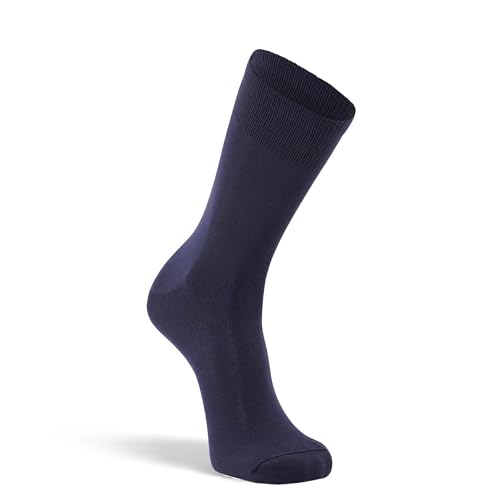
FOX RIVER Wick Dry Alturas Crew Liner Sock
Material: Synthetic Wick Dry
Weight: Ultra-lightweight
Cushion: Minimal
Best For: Budget-conscious hikers
+ Pros
- Affordable price point
- Effective moisture wicking
- Durable synthetic construction
- Unisex sizing works for most
- Cons
- Less odor resistance than wool
- Can feel less soft against skin
- Limited color options
FoxRiver's Wick Dry Auras technology proves you don't need to spend a fortune for effective blister prevention. The synthetic fibers wick moisture efficiently, and the ultra-lightweight construction won't crowd your boots.
I recommend these liners to beginner hikers who want to try the double sock system without investing heavily. They're also great for hikers who go through gear quickly and don't want to worry about wearing out expensive merino wool.
Who Should Buy?
Hikers on a budget or anyone new to sock layering who wants to test the system without major investment.
Who Should Avoid?
Hikers doing extended trips where odor resistance is a priority. Synthetic fibers retain odors more than natural wool alternatives.
3. Darn Tough Hiker Midweight Micro Crew - Best Outer Sock with Lifetime Warranty

Darn Tough Men's Hiker Midweight Micro Crew Sock (Style 1466) - Lime, Large
Material: Merino wool blend
Weight: Midweight
Cushion: Mid-level cushioning
Best For: Durable outer layer
+ Pros
- Lifetime guarantee covers any issues
- Excellent durability and construction
- Ribbed cuff stays secure
- Comfortable cushioning for long hikes
- Cons
- Higher initial cost
- Some find merino less durable than expected
- Sizing can run large
Darn Tough's lifetime guarantee isn't marketing hype. I've personally worn through multiple pairs and received replacements without question. This makes them an excellent value over time despite the higher upfront cost.
The midweight cushioning provides excellent protection without excessive bulk. I've worn these as my outer sock with various liners on hikes ranging from day trips to week-long backpacking adventures. The ribbed cuff keeps everything securely in place.
Who Should Buy?
Hikers who want a sock that will last forever and are willing to pay for quality. The lifetime warranty makes these a smart long-term investment.
Who Should Avoid?
Hikers who prefer lightweight minimalist socks or those who have had bad experiences with merino wool durability.
4. DANISH ENDURANCE Merino Wool Hiking Socks - Best Merino Wool Outer Layer
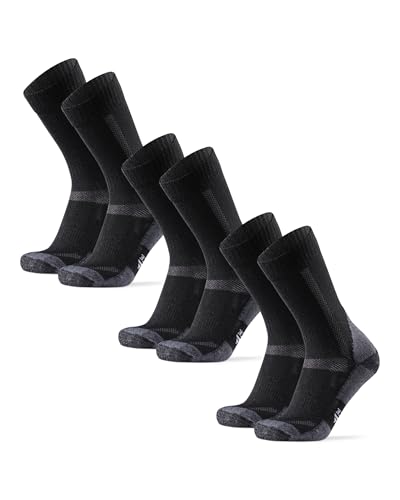
DANISH ENDURANCE Merino Wool Socks for Men & Women, Hiking, Black/Grey, Large
Material: Premium merino wool
Weight: Medium-heavy
Cushion: Full cushion
Best For: Cold weather hiking
+ Pros
- Premium merino for temperature regulation
- Reinforced heel and toe for durability
- Excellent moisture management
- Designed specifically for hiking
- Cons
- On the pricier side
- Heavy cushion may be too warm in summer
- Sizing runs slightly small
DANISH ENDURANCE focuses on merino wool quality, and it shows. These socks provide excellent temperature regulation, keeping your feet warm in cold conditions and cool when temperatures rise. The reinforced heel and toe address common wear points.
I've found these particularly effective for shoulder season hiking when temperatures can vary widely. The merino blend manages moisture effectively while providing substantial cushioning for rough terrain.
Who Should Buy?
Hikers who prioritize premium merino wool performance and need a sock that can handle variable temperatures.
Who Should Avoid?
Summer hikers in hot climates or those who prefer minimalist lightweight socks.
5. Wrightsock Escape Crew - Best Integrated Double-Layer Design
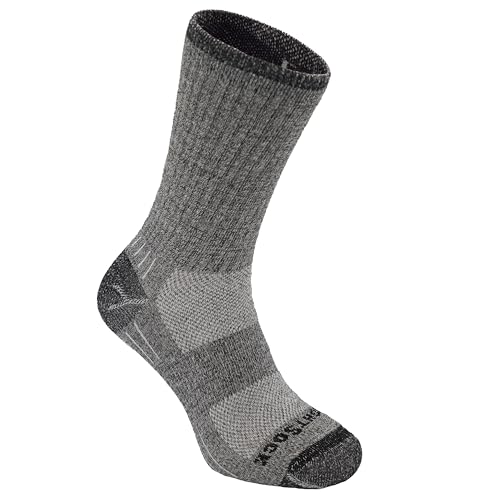
Wrightsock Escape Crew Hiking Socks for Men and Women – Cushioned, Eco-Friendly and Anti Blister...
Design: Patented double-layer
Material: Coolmax eco-friendly
Cushion: Moderate cushioning
Best For: Hikers who want simplicity
+ Pros
- No Blisters Guaranteed by manufacturer
- Patented double-layer eliminates separate liners
- Cushioned footbed for comfort
- Made in USA quality
- Cons
- More expensive than buying separate socks
- Double-layer feels different than traditional system
- Less customization of individual layers
Wrightsock takes a different approach. Instead of wearing two separate socks, their patented design integrates two layers into a single sock. This eliminates the hassle of managing separate pairs and prevents socks from sliding independently.
The "No Blisters Guaranteed" claim is backed by their double-layer technology. I've tested these on several day hikes and found them effective at blister prevention. The integrated design is particularly appealing if you hate dealing with multiple sock layers.
Who Should Buy?
Hikers who want the benefits of double socks without managing separate pairs. Great for day hikers who want simplicity.
Who Should Avoid?
Thru-hikers or backpackers who prefer the versatility of mixing and matching separate liners and outer socks.
How to Choose the Right Sock Combination?
Building an effective sock system requires understanding materials and how they work together. Let me break down what I've learned from years of experimentation.
Sock Material Guide
Material choice is more important than most hikers realize. The wrong fabric can cause more problems than it solves, even in a double-layer system.
| Material | Moisture Management | Odor Resistance | Durability | Best Use |
|---|---|---|---|---|
| Merino Wool | Excellent | Excellent | Good | Multi-day trips, variable conditions |
| Synthetic Blend | Good | Fair | Excellent | Day hikes, rough terrain |
| Silk Liners | Excellent | Good | Poor | Extreme cold, sensitive skin |
| Cotton | Poor | Poor | Fair | NEVER for hiking |
✅ Golden Rule: Never wear cotton socks when hiking. Cotton absorbs moisture and holds it against your skin, creating the perfect conditions for blisters. I learned this the hard way on that disastrous Smokies hike.
Sock Thickness Guide
Matching sock thickness to conditions is crucial for comfort. Too thick and your feet overheat. Too thin and you risk blisters from impact.
- Ultralight liners: Wear under medium or heavy socks for extended trips
- Lightweight: Good for warm weather day hikes or as a base layer
- Midweight: Versatile choice for most three-season hiking
- Heavyweight: Winter hiking or cold-weather backpacking only
Common Mistakes to Avoid
I've made plenty of mistakes over the years. Here are the most common errors I see hikers make with sock layering:
- Wearing mismatched sizes: Ensure both socks fit properly. A liner that's too large will bunch up.
- Choosing the wrong material combination: Two synthetic socks can trap moisture. Consider merino for at least one layer.
- Ignoring boot fit: No sock system can fix poorly fitting boots.
- Not testing before trips: Always test your sock combination on shorter hikes before multi-day adventures.
- Wearing worn-out socks: Thin spots in old socks can cause more friction, not less.
Frequently Asked Questions
Is it better to wear two pairs of socks when hiking?
Wearing two pairs of socks when hiking reduces blister formation by managing moisture and minimizing friction. The inner liner wicks moisture while friction occurs between sock layers instead of against your skin. This system works best for hikers prone to blisters, long-distance treks, and boots with adequate volume.
Does wearing 2 pairs of socks prevent blisters?
Yes, wearing two pairs of socks can prevent blisters by reducing friction against your skin. The liner sock wicks moisture away, while friction occurs between the two sock layers. However, this only works if your boots have enough room to accommodate both layers without restricting circulation.
Should you wear 2 pairs of socks with boots?
Only if your boots have enough volume. Two pairs of socks take up significant space, and boots that fit snugly with one pair will become too tight with two. Tight boots restrict circulation and can cause more blisters than they prevent. Try this system at home before hitting the trail.
Why do hikers wear two pairs of socks?
Hikers wear two pairs of socks to prevent blisters through reduced friction and better moisture management. The inner liner wicks sweat away from the skin, while the outer sock provides cushioning and protection against boot abrasion. This combination is especially effective for long-distance hiking and heavy pack loads.
Do thin or thick socks cause blisters?
Neither thin nor thick socks alone cause blisters. Blisters result from friction, moisture, and improper fit. Thin socks may lack cushioning for impact protection, while thick socks can trap moisture. The best approach is often a thin moisture-wicking liner under a thicker cushioned outer sock.
What socks do thru-hikers wear?
Most thru-hikers wear a double sock system. Popular combinations include Darn Tough light hiker with a thin synthetic liner, Smartwool medium with a merino liner, or Wrightsock double-layer socks. Merino wool is preferred for its odor resistance on multi-day trips where laundry isn't an option.
Final Recommendations
After thousands of miles on trails ranging from the Appalachian Trail to local day hikes, I've found that the double sock system works when applied thoughtfully. Start with your boot fit. If your boots have room for two pairs, a thin merino or synthetic liner under a midweight wool outer sock provides the best blister protection for most hikers.
Remember that individual foot shape, sweat levels, and hiking conditions vary. What works perfectly for one hiker might cause problems for another. Test any sock system on short hikes before committing to it for a major trip. Your feet will thank you.