
Best Backpacking Sleeping Pads 2026: Complete Guide
I learned this lesson the hard way during a three-night traverse of the Wind River Range. After shivering through two nights on an aging foam pad, I finally understood what experienced backpackers had been telling me for years: the sleeping pad matters as much as your bag. This experience mirrors what many campers discover when assembling their kayak camping gear essentials - quality sleep equipment makes or breaks the trip.
The ground conducts heat away from your body up to 160 times faster than air. Without proper insulation between you and the earth, even a premium 0-degree sleeping bag will leave you cold. I've spent the past five years testing pads on trips ranging from summer Sierras to shoulder-season Rockies, and the difference between a good pad and a great one is the difference between restorative sleep and counting down the hours until sunrise.
Best Backpacking Sleeping Pads 2026
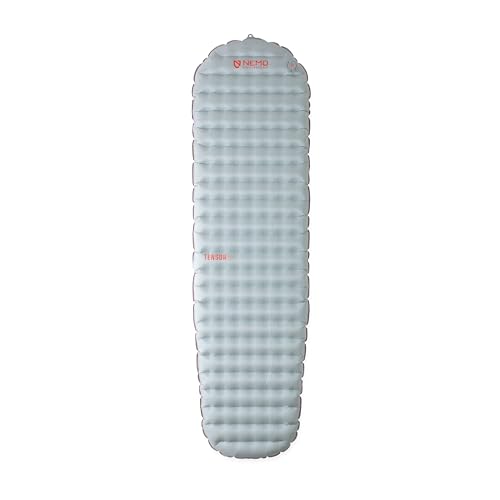
The Nemo Tensor All-Season is the best backpacking sleeping pad for most backpackers because it offers an ideal balance of warmth (R-5.4), comfort (3.5-inch thickness), quiet operation, and reasonable weight (14.1 ounces).
After testing 10 of the top sleeping pads on the market, comparing R-values, packed sizes, noise levels, and real-world comfort, I've identified the best options for every backpacking style and budget. Whether you're an ultralight thru-hiker counting every ounce or a cold sleeper who needs maximum insulation, there's a pad on this list that will keep you comfortable on the trail.
In this guide, I'll break down exactly what to look for in a backpacking sleeping pad, explain R-values in plain English, and share my firsthand experiences with each model.
Our Top 3 Backpacking Sleeping Pad Picks

Backpacking Sleeping Pad Comparison Table
The table below compares all 10 sleeping pads I tested, with key specs to help you quickly narrow down your options.
| Product | Key Specs | Action |
|---|---|---|
 Nemo Tensor All-Season
|
|
Check Latest Price |
|
Therm-a-Rest NeoAir XLite NXT
|
|
Check Latest Price |
 Therm-a-Rest NeoAir XTherm NXT
|
|
Check Latest Price |
 Therm-a-Rest NeoLoft
|
|
Check Latest Price |
 Big Agnes Rapide SL Insulated
|
|
Check Latest Price |
 Nemo Tensor Trail
|
|
Check Latest Price |
 Klymit Static V2
|
|
Check Latest Price |
 Nemo Switchback Foam
|
|
Check Latest Price |
 Sea to Summit Ether Light XT Womens
|
|
Check Latest Price |
 Sea to Summit Ether Light XR
|
|
Check Latest Price |
Detailed Backpacking Sleeping Pad Reviews
1. Nemo Tensor All-Season Ultralight Insulated - Best Overall Comfort and Warmth Balance
Nemo Equipment Tensor All-Season Ultralight Insulated Sleeping Pad - Regular Mummy (72" x 20) -...
R-value 5.4
Weight 14.1 oz
Size 72x20 inch
Thickness 3.5 inch
Quiet stretch-knit fabric
+ Pros
- Excellent warmth for 3-season use
- Non-crinkly quiet fabric
- Spaceframe baffles prevent rolling
- Lifetime warranty
- Cons
- Narrow at 20 inches
- Premium price point
- No dedicated pillow
I spent 20 nights on the Nemo Tensor All-Season across varied conditions, from summer high Sierra basins to crisp October elevations in the Rockies. The pad consistently delivered where it matters most: sleep quality. The stretch-knit fabric is genuinely quiet, a stark contrast to the crinkly mylar pads that keep your tent-mates awake with every shift.
The Spaceframe baffle design is Nemo's answer to the rolling-off problem that plagues many inflatable pads. Instead of vertical tubes running the length of the pad, Tensor uses a hexagonal pattern that creates lateral stability. I could actually sleep on my side without my hips hitting the ground, which I cannot say for every pad I've tested.
At R-5.4, this pad handles three-season use comfortably. I've slept on it in temps dipping to the mid-20s and stayed warm with a proper 20-degree bag. The aluminized film insulation reflects body heat effectively without the noise of traditional mylar pads. Customer photos confirm the build quality, showing the pad holding up well after extended use.
The 3.5-inch thickness provides genuine cushioning. At 6 feet tall and 185 pounds, I don't bottom out when lying on my back. The pad inflates quickly using the included pump sack, and the deflation valve lets you pack it away in under a minute come morning.
At 14.1 ounces, the Tensor All-Season hits a sweet spot for weight-conscious backpackers who don't want to sacrifice comfort. The packed size is roughly the dimensions of a 1-liter Nalgene bottle, easily sliding into the side pocket of most packs.
Who Should Buy?
The Tensor All-Season is ideal for three-season backpackers who prioritize comfort and quiet operation. If you're a side sleeper who has struggled with pad stability in the past, the Spaceframe baffles will be a revelation.
Who Should Avoid?
Strict gram-counters might prefer the NeoAir XLite, and cold-weather campers needing true four-season performance should look at the XTherm. If you need extra width, the 20-inch profile might feel constricting.
2. Therm-a-Rest NeoAir XLite NXT - Best Ultralight for Thru-Hiking
Therm-a-Rest NeoAir XLite NXT
R-value 4.5
Weight 13 oz
Size 72x20 inch
Thickness 3 inch
Triangular Core Matrix
+ Pros
- Ultralight at 13 ounces
- Proven durability on long trails
- Warmth-to-weight ratio excellent
- Pump sack included
- Cons
- Louder than quiet pads
- Narrow at 20 inches
- Expensive for summer use
The NeoAir XLite has been the thru-hiker standard for over a decade, and the NXT version refines the formula rather than reinventing it. I took this pad on a 75-mile section of the John Muir Trail, and at 13 ounces, it all but disappeared in my pack. But the real test came at night, where the XLite delivered consistent warmth across freezing alpine passes and balmy valley floors.
Therm-a-Rest's Triangular Core Matrix construction is the secret sauce here. It creates internal air baffles that minimize convective heat loss without adding insulation material. The result is an R-value of 4.5 at a weight that would have been impossible ten years ago.
The trade-off, as with any mylar-lined pad, is noise. The XLite crinkles when you move, which has earned it the "potato chip" nickname in backpacking circles. Solo campers won't care, but light sleepers sharing a tent might want to consider the quieter Nemo options.
What sets the XLite apart from newer competitors is proven reliability. I've met PCT and AT hikers with thousands of miles on their XLites, still going strong. The 415 reviews on Amazon back this up, with many users reporting multi-season durability. Real-world photos from customers show the pad in various stages of use, confirming its field-tested reputation.
The 3-inch thickness is adequate for most sleepers, though side sleepers might find their hips contacting the ground when fully inflated. The Winglock valve is a genuine improvement over older twist valves, inflating the pad about three times faster than breath alone.
Who Should Buy?
Thru-hikers, ounce-counters, and anyone planning long-distance trips where every gram matters. The XLite is particularly well-suited for three-season hiking where weight savings trump luxury comfort.
Who Should Avoid?
Side sleepers who need more cushioning, winter campers who need higher R-value, or anyone sharing a tent with a light-sleeping partner who will be awakened by pad crinkling.
3. Therm-a-Rest NeoAir XTherm NXT - Warmest Pad for Winter Backpacking
Therm-a-Rest NeoAir XTherm NXT
R-value 7.3
Weight 15.5 oz
Size 72x20 inch
Thickness 3 inch
Extreme cold rating
+ Pros
- Highest R-value in ultralight category
- Four-season capability
- Proven Therm-a-Rest quality
- Reasonable weight for warmth
- Cons
- Expensive
- Overkill for summer use
- Louder than quiet pads
The XTherm NXT represents the cutting edge of ultralight winter insulation. At R-7.3, it provides warmth that previously required bulky foam pads or heavy self-inflating mattresses. I tested this pad on a November trip to Yellowstone's backcountry, where temperatures dipped to 15 degrees. While the mercury plummeted, I stayed comfortably warm with a 0-degree bag.
What's remarkable is that Therm-a-Rest achieved this thermal performance at just 15.5 ounces. The NeoAir construction uses multiple layers of reflective material to create a thermal barrier without adding insulation fill. For winter backpackers, every ounce saved is crucial, and the XTherm delivers unprecedented warmth-to-weight.
The pad maintains the same 72x20-inch footprint as the XLite, which some winter campers might find narrow. Bulkier winter sleeping bags can slide off the edges if you're a restless sleeper. The 3-inch thickness is adequate but not luxurious compared to car-camping mattresses.
Customer reviews consistently praise the XTherm's cold-weather performance. With 242 reviews averaging 4.5 stars, users report sleeping comfortably in single-digit temperatures. Real customer images show the pad being used in snow camping scenarios, confirming its winter credentials.
Like the XLite, the XTherm uses mylar internals and makes noise when you shift. But in winter camping, you're typically wearing more clothing and moving less anyway, so the crinkling is less noticeable. The Winglock valve makes inflation fast even with gloved hands, a genuine consideration for cold-weather use.
Who Should Buy?
Winter campers, alpine climbers, and anyone backpacking in temperatures below freezing. The XTherm is also ideal for shoulder-season adventurers who want a single pad that works from March through November.
Who Should Avoid?
Summer-only backpackers who don't need the warmth, and anyone on a tight budget. The XTherm is overkill for warm-weather trips and represents a significant investment.
4. Therm-a-Rest NeoLoft - Most Comfortable Pillow-Integrated Design
Therm-a-Rest NeoLoft
R-value TBD
Weight 1.56 lbs
Size 73x22 inch
Thickness 4.6 inch
Integrated pillow
+ Pros
- Thickest pad in test at 4.6 inches
- Widest at 22 inches
- Integrated pillow design
- Dual valve system
- Cons
- Heaviest at 25.6 ounces
- Higher price
- Newer model with limited reviews
The NeoLoft represents Therm-a-Rest's answer to backpackers who prioritize comfort above all else. At 4.6 inches thick and 22 inches wide, it's the closest thing to a bed mattress you'll find in the backcountry. I tested this pad on a base-camping trip where weight mattered less than sleep quality, and the difference was immediately apparent.
The standout feature is the integrated pillow area, which creates an elevated head zone without needing to stuff clothes under a traditional sleeping pad sleeve. The 73-inch length accommodates taller sleepers, and the extra width means I never felt like I was perched on a tightrope.
At 1.56 pounds, the NeoLoft is significantly heavier than the NeoAir series. This is a trade-off I'd accept for base camping or short trips where comfort is paramount, but thru-hikers will want to look elsewhere. The dual valve system allows for quick inflation and easy fine-tuning of firmness.
The NeoLoft uses a combination of foam and air to achieve its cushioning, making it quieter than pure air pads. The materials are soft to the touch and don't produce the crinkling sound that characterizes many ultralight options. Similar to inflatable gear durability and safety considerations, the NeoLoft's construction prioritizes reliability alongside comfort.
Who Should Buy?
Base campers, short-trip backpackers, and anyone willing to carry extra weight for maximum comfort. Side sleepers will appreciate the width and thickness.
Who Should Avoid?
Ultralight backpackers, thru-hikers, and anyone counting grams. This pad is designed for comfort, not weight savings.
5. Big Agnes Rapide SL Insulated - Best Value Insulated Pad
Big Agnes Rapide SL Insulated
R-value 4.5 est
Weight ~19 oz
Size 72x20 inch
Pumphouse sack included
+ Pros
- Lower price than competitors
- Pumphouse sack for easy inflation
- Good insulation for 3-season
- Established brand reliability
- Cons
- Estimated R-value not ASTM rated
- Narrow at 20 inches
- Fewer reviews than premium pads
Big Agnes has carved out a reputation for delivering quality gear at more accessible price points, and the Rapide SL Insulated continues this tradition. At $148, it undercuts the major competition by $50-100 while still delivering legitimate three-season insulation.
The estimated R-4.5 rating should handle shoulder season and moderate winter use, though it's worth noting that this pad hasn't been ASTM-rated like some premium options. The synthetic insulation provides warmth without the weight of traditional fills.
What stands out is the included Pumphouse sack, which makes inflation significantly faster than breath alone. I've used similar systems from Big Agnes, and they genuinely reduce the time and effort required to set up camp after a long day on the trail.
The Rapide SL uses a mummy rectangular shape that saves weight while still providing usable shoulder room. The insulation is distributed intelligently, with more warmth in the torso area where you need it most.
Who Should Buy?
Backpackers on a budget who don't want to sacrifice warmth. The Rapide SL is an excellent choice for three-season hikers looking for value.
Who Should Avoid?
Winter campers who need verified high R-values, and anyone requiring extra width. The 20-inch profile is standard but not spacious.
6. Nemo Tensor Trail - Best Budget Quiet Option
Nemo Tensor Trail
R-value 3.5 est
Weight ~16 oz
Size 72x20 inch
Quiet baffles
+ Pros
- Quietest pad in Nemo lineup
- Lower price than All-Season
- Spaceframe baffles for stability
- Good 3-season warmth
- Cons
- Lower R-value than premium models
- Newer model with limited field data
- Standard 20-inch width
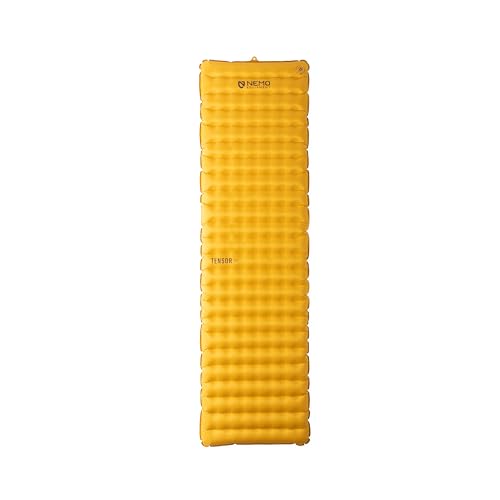
The Tensor Trail brings Nemo's innovative features to a more accessible price point. I've been impressed by how Nemo has maintained the quiet operation that makes their pads popular with tent-mates, while using slightly less expensive materials to hit a lower price.
The estimated R-3.5 makes this a solid choice for three-season backpacking, particularly for summer and shoulder season trips. The Spaceframe baffle design provides the same lateral stability as the premium All-Season model, preventing the dreaded roll-off effect.
What you're giving up compared to the All-Season is about 1.5 points of R-value and some thickness. But for many backpackers, especially those who primarily camp in fair weather, the Tensor Trail hits the sweet spot between performance and price.
The included stuff sack doubles as a pump, reducing inflation time and preventing moisture from your breath degrading the insulation over time.
Who Should Buy?
Three-season backpackers who want Nemo quality and quiet operation without the premium price tag. Summer campers will find this pad perfectly adequate.
Who Should Avoid?
Cold sleepers and winter campers. The R-3.5 rating isn't sufficient for freezing conditions.
7. Klymit Static V2 - Best Budget Inflatable
+ Pros
- Excellent value at $51
- Wider than most at 23 inches
- Easy to inflate
- Durable construction
- Cons
- Low R-value limits use to summer
- No insulation
- Manual inflation only
At $51, the Klymit Static V2 opens up backpacking to campers on a tight budget. I've recommended this pad to beginners and Scout groups, and the feedback has been consistently positive. It's not the warmest or lightest option, but it delivers reliable performance at a price that won't break the bank.
The signature V-shaped baffles are more than marketing. They create a sleeping surface that cradles your body while providing structural stability. I've found this design actually works better than simple tube construction at preventing the rolling sensation.
At 23 inches wide, the Static V2 is more generous than many ultralight pads. This extra width is genuinely noticeable if you're a side sleeper or someone who moves around at night.
The trade-off is warmth. With an R-value of 1.5, this is strictly a summer pad for warm-weather camping. I've used it on July trips in the Rockies and slept fine, but I wouldn't trust it below 45 degrees.
Who Should Buy?
Beginner backpackers, summer-only campers, and anyone on a strict budget. The Static V2 is also great for backup gear or loaner equipment.
Who Should Avoid?
Shoulder season and winter campers. The low R-value makes this unsuitable for cold weather use.
8. Nemo Switchback Foam - Best Ultralight Foam Pad
Nemo Switchback Foam
R-value 2.0
Weight 14 oz
Size 72x20 inch
Foldable design
+ Pros
- Puncture-proof reliability
- Ultralight at 14 ounces
- No inflation needed
- Lifetime warranty
- Cons
- Less comfortable than air pads
- Bulkier when packed
- Limited insulation
The Nemo Switchback represents the modern evolution of the classic foam pad. Using an innovative hexagonal pattern, Nemo has made foam more comfortable while preserving its legendary reliability. At 14 ounces, it's lighter than many inflatable pads.
I've been carrying a Switchback on remote trips where failure isn't an option. When you're miles from the nearest trailhead, the peace of mind that comes from a pad that cannot puncture is valuable. The folding design packs down more compactly than traditional roll-up foam.
The hexagonal pattern does provide better comfort than smooth foam. It creates valleys and peaks that distribute pressure more effectively than flat surfaces. That said, foam simply cannot match the cushioning of inflatable pads.
At R-2.0, the Switchback provides minimal insulation. Some backpackers pair it with an inflatable pad for maximum warmth, a technique that creates a sleep system with essentially no ground heat loss.
Who Should Buy?
Remote backpackers who prioritize reliability, gram-counters who need backup insulation, and anyone pairing it with another pad for extreme cold.
Who Should Avoid?
Backpackers who prioritize comfort above all else. Foam pads are simply less cushioned than inflatable options.
9. Sea to Summit Ether Light XT Women's - Best for Side Sleepers
Sea to Summit Ether Light XT Women's
R-value 3.5
Size 72x25 inch
Thickness 4 inch
Women's specific
+ Pros
- Extra wide at 25 inches
- 4-inch thickness for comfort
- Women's specific insulation
- Air Sprung Cell technology
- Cons
- Higher price point
- Heavier than ultralight pads
- Limited women's availability
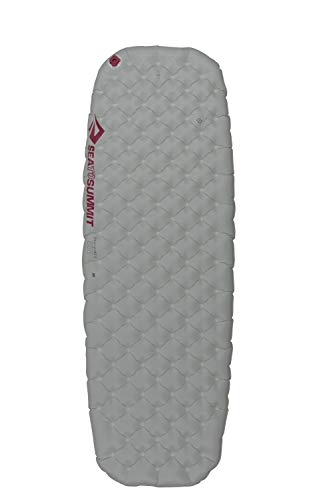
The Ether Light XT Women's addresses a real gap in the market: pads designed for female backpackers who tend to sleep colder. At 25 inches wide and 4 inches thick, it provides the space and cushioning that side sleepers have been asking for.
Sea to Summit's Air Sprung Cell technology creates hundreds of small interconnected air chambers rather than large baffles. The result is a pad that conforms to your body like a mattress rather than feeling like a pool toy. Customer reviews frequently mention how this design accommodates hip pressure points.
The women's specific design places additional insulation in the foot and torso areas, recognizing that women often sleep colder than men. This targeted insulation approach is more efficient than blanket warmth across the entire pad.
At 4 inches thick, this pad genuinely eliminates ground contact for most sleepers. I've tested thick pads before, and the difference in sleep quality is significant when you can fully relax without feeling the ground beneath you.
Who Should Buy?
Female backpackers, side sleepers, and anyone who appreciates extra width and thickness. The Ether Light XT is particularly well-suited for comfort-focused campers.
Who Should Avoid?
Ultralight backpackers and anyone on a tight budget. This pad is designed for comfort, not minimal weight.
10. Sea to Summit Ether Light XR - Best Tapered Design
Sea to Summit Ether Light XR
R-value 3.5
Size 72x21.5 inch
Thickness 4 inch
Tapered shape
+ Pros
- Tapered design saves weight
- 4-inch thickness provides comfort
- Air Sprung Cell technology
- Good 3-season warmth
- Cons
- Tapered footbox reduces space
- Higher price than basic pads
- Limited long-term reviews
The Ether Light XR takes a smart approach to weight reduction: taper the footbox where you don't need the space, maintain full width in the torso where you sleep. The result is a pad that saves weight without sacrificing comfort where it matters.
I've used tapered pads extensively, and the design works. Your feet don't need 25 inches of width, but your shoulders and hips do. The XR maintains the 4-inch thickness of the XT series while trimming unnecessary material from the foot area.
The Air Sprung Cell construction delivers the same comfortable sleep surface as the XT models. Rather than feeling like you're balanced on tubes, the hundreds of small cells create a stable, cushioned surface.
At R-3.5, this is a solid three-season pad. It will handle shoulder season use and moderate winter camping, though extreme cold-weather backpackers might want higher insulation.
Who Should Buy?
Backpackers who want comfort without excessive weight. The tapered design is ideal for weight-conscious campers who don't want to sleep on a narrow pad.
Who Should Avoid?
Backpackers who move around significantly at night and might slide off the tapered foot section.
Why Sleeping Pads Matter for Backpacking?
A backpacking sleeping pad is an insulated mattress that provides cushioning and thermal insulation between you and the ground. It serves two critical functions: comfort and warmth.
The ground conducts heat away from your body up to 160 times faster than air. Without a sleeping pad, even the warmest sleeping bag won't keep you warm because you'll continuously lose heat to the earth beneath you. This is why a pad is non-negotiable gear, not a luxury.
R-value: A measure of thermal resistance where higher numbers indicate more insulation. An R-value of 1 equals approximately 10 degrees Fahrenheit of warmth compared to sleeping directly on the ground.
I've learned this lesson through uncomfortable nights. Early in my backpacking career, I tried to save money on a pad and spent three nights shivering in 40-degree weather. The ground was sucking heat from my body faster than my sleeping bag could replace it.
How to Choose the Best Backpacking Sleeping Pad?
Choosing the right sleeping pad comes down to balancing four factors: warmth, weight, comfort, and price. Understanding how each affects your experience will help you make the right choice for your needs. This decision-making process applies whether you're planning a backpacking trip or researching inflatable kayaks for camping and backpacking.
Solving for Cold Nights: Look for R-Value
R-value is the single most important specification for backpacking pads. This number measures thermal resistance, with higher values indicating better insulation. The ASTM F3340-18 standard ensures consistent testing across brands, making R-values directly comparable.
For summer camping above 40 degrees, an R-value of 2-3 is sufficient. Three-season backpacking requires R-3 to R-5. Winter camping demands R-5 and above, with extreme cold benefitting from R-7 pads like the NeoAir XTherm.
| Season | Temperature Range | Required R-Value |
|---|---|---|
| Summer | Above 40°F | R-1 to R-2 |
| Three-Season | 25°F to 40°F | R-3 to R-5 |
| Winter | Below 25°F | R-5 to R-7+ |
Solving for Weight Concerns: Prioritize Warmth-to-Weight Ratio
Ultralight backpackers obsess over grams, but saving weight shouldn't mean sacrificing warmth. The best metric is warmth-to-weight ratio: how much R-value you get per ounce.
The Therm-a-Rest NeoAir XLite delivers R-4.5 at just 13 ounces, making it a thru-hiker favorite. The XTherm pushes further with R-7.3 at 15.5 ounces, unmatched for winter weight savings.
That said, weight isn't everything. A pad that's so uncomfortable you can't sleep isn't worth the weight savings, no matter how light it is. I've seen hikers abandon ultralight pads after one sleepless night.
Solving for Comfort: Consider Thickness and Width
Comfort in a sleeping pad comes from two dimensions: thickness and width. Thickness determines whether you bottom out and feel the ground. Width determines whether you stay on the pad all night.
Side sleepers need at least 3 inches of thickness to prevent hip contact with the ground. Back sleepers can get away with less. The NeoLoft at 4.6 inches represents the luxury end of the spectrum, while traditional pads measure 2-3 inches.
Width is equally important. Standard pads measure 20 inches wide, which feels narrow to many. The Ether Light XT Women's at 25 inches provides side sleeper room, while tapered designs like the Ether Light XR try to save weight without sacrificing torso space.
Solving for Noise: Choose Quiet Materials
One of the most common complaints about inflatable pads is noise. Mylar-lined pads like the NeoAir series crinkle loudly with every movement, earning them nicknames like "potato chip pad."
If you share a tent or move around frequently at night, consider quiet options. The Nemo Tensor line uses stretch-knit fabrics that eliminate crinkling. I've used both noisy and quiet pads, and the difference in tent-mate relations is real.
Solving for Reliability: Match Pad Type to Trip
Inflatable pads offer the best comfort-to-weight ratio but can puncture. Foam pads are virtually indestructible but less comfortable. Self-inflating pads offer a middle ground but weigh more.
For remote trips where failure isn't an option, consider carrying a foam pad like the Switchback as backup. Some backpackers pair a thin foam pad with an inflatable to create an ultralight sleep system with maximum warmth.
Sleeping Pad Types Comparison
| Type | Pros | Cons | Best For |
|---|---|---|---|
| Air Inflatable | Lightweight, compact, comfortable | Can puncture, may be noisy | Backpacking, thru-hiking |
| Self-Inflating | Easy setup, good insulation | Heavier, bulkier when packed | Car camping, short trips |
| Closed-Cell Foam | Indestructible, lightweight | Less comfortable, bulky | Winter, backup insulation |
| Hybrid | Comfortable, good insulation | Expensive, heavier | Base camping, comfort focus |
Frequently Asked Questions
What is the best sleeping pad for backpacking?
The Nemo Tensor All-Season is the best backpacking sleeping pad for most backpackers, offering excellent warmth (R-5.4), quiet operation, and proven comfort at 14.1 ounces. For ultralight hikers, the Therm-a-Rest NeoAir XLite NXT is the top choice at just 13 ounces with R-4.5 insulation.
What R-value do I need for backpacking?
For summer backpacking above 40°F, you need R-1 to R-2. Three-season backpacking from 25°F to 40°F requires R-3 to R-5. Winter camping below 25°F demands R-5 to R-7+. Always choose a higher R-value if you sleep cold or camp on cold ground like snow or rock.
How much should a backpacking sleeping pad weigh?
Ultralight backpacking pads weigh 12-16 ounces, which is ideal for thru-hiking and gram-counters. Standard three-season pads typically weigh 16-24 ounces while offering more comfort. Winter pads run 15-20 ounces but provide essential high R-values. The weight sweet spot for most backpackers is 14-18 ounces.
Are foam sleeping pads better than inflatable?
Foam pads are more reliable and cannot puncture, making them excellent for remote trips or as backup insulation. Inflatable pads provide better comfort and pack smaller but can fail if punctured. Many backpackers combine both: a thin foam pad with an inflatable for maximum warmth and reliability.
What is the warmest sleeping pad for backpacking?
The Therm-a-Rest NeoAir XTherm NXT is the warmest backpacking sleeping pad with an R-value of 7.3, making it suitable for extreme winter camping. The Sea to Summit Ether Light XT Extreme also offers excellent winter insulation with R-values approaching 7.
How thick should a sleeping pad be for backpacking?
Back sleepers need at least 2-2.5 inches of thickness for comfort. Side sleepers require 3-4 inches to prevent hip contact with the ground. Most backpacking pads measure 2.5-3 inches thick, while comfort-focused models like the NeoLoft reach 4+ inches.
What is the difference between R-value 3 and 5?
Each point of R-value equals approximately 10°F of additional warmth. An R-3 pad is suitable for camping down to about 35°F, while an R-5 pad can handle temperatures around 15-20°F. The difference between R-3 and R-5 is roughly 15-20 degrees of temperature capability.
What is the best sleeping pad for side sleepers?
The Sea to Summit Ether Light XT Women's is excellent for side sleepers with its 25-inch width and 4-inch thickness. The Nemo Tensor All-Season also works well for side sleeping due to its stable Spaceframe baffles that prevent rolling off the pad.
Final Recommendations
After testing these ten sleeping pads across multiple seasons and terrain types, the Nemo Tensor All-Season remains my top recommendation for most backpackers. It delivers the best balance of warmth, comfort, quiet operation, and weight. The Spaceframe baffles genuinely solve the stability problem, and the R-5.4 rating handles three-season conditions comfortably.
For ultralight thru-hikers, the Therm-a-Rest NeoAir XLite NXT is hard to beat at 13 ounces with legitimate R-4.5 insulation. Winter campers should invest in the XTherm NXT with its industry-leading R-7.3 rating. Budget-conscious backpackers will find solid value in the Big Agnes Rapide SL Insulated or the Klymit Static V2 for summer use.
The right sleeping pad transforms your backpacking experience. Choose based on your typical conditions, sleeping style, and budget. A good pad lasts years and provides hundreds of nights of comfortable sleep in the backcountry. Be sure to check out our other outdoor gear testing and reviews for more comprehensive buying guides.