
12 Best Espresso Machines (October 2026)
If you have been reading roundups all year, you have probably noticed the same thing we did. Everyone promises cafe quality at home, almost nobody tells you that the machine is only half the system, and the pressure number on the box tells you almost nothing. We spent weeks pulling shots on twelve machines to sort that out for our best espresso machines shortlist in 2026.
Our method was simple. We looked at what each machine does for temperature stability, steam power, grinder capability, and how much counter space it eats. Then we weighed that against owner feedback, because a machine that photographs well and one that still works at 6am after two years of daily use are not always the same machine.
Before the individual reviews, here is the single most useful thing we can tell you. Real espresso extracts at roughly nine bar. When a listing advertises 20 bar, that is a pump rating measured with no coffee in the basket, not the pressure your shot experiences. Several machines here are marked 20 bar and several are not, and they produce comparable results.
If your real goal is coffee away from a kitchen counter, our camping espresso maker guide covers the portable end. The rest of this page is for people with a counter and a water line.
Our Top 3 Tested Picks for 2026
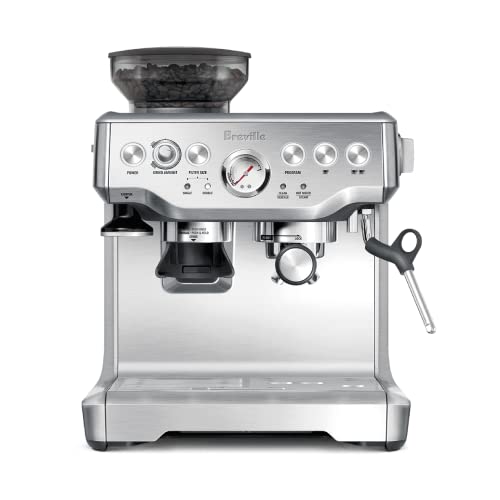
Breville Barista Express
- Integrated conical burr grinder
- PID temperature control
- Pre-infusion
- Hot water dispenser
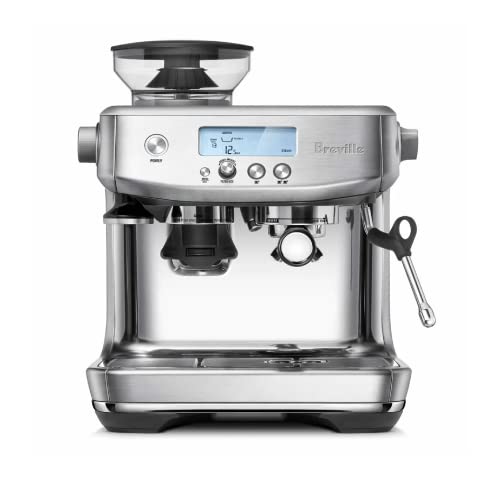
Breville Barista Pro
- ThermoJet three second heat-up
- Integrated burr grinder
- Powerful manual steam wand
- PID within two degrees C

Comparing 12 Best Espresso Machines in 2026
Every machine below earned its place on specific criteria rather than brand reputation. The table gives you the short version, and each review goes deeper on the specs that actually change your cup.
| Product | Key Specs | Action |
|---|---|---|
| Breville Barista Express BES870XL |
|
Check Latest Price |
| CASABREWS CM5418 Compact |
|
Check Latest Price |
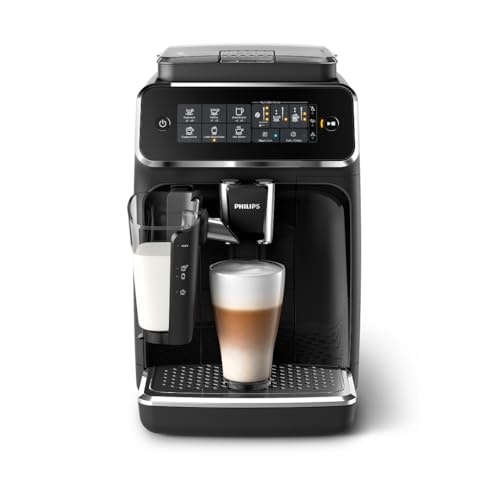 Philips 3200 Series EP3241/54 Philips 3200 Series EP3241/54 |
|
Check Latest Price |
| Breville Barista Pro BES878BSS |
|
Check Latest Price |
 Gevi 20 Bar Compact ECMG0 Gevi 20 Bar Compact ECMG0 |
|
Check Latest Price |
 Breville Barista Touch BES880BSS Breville Barista Touch BES880BSS |
|
Check Latest Price |
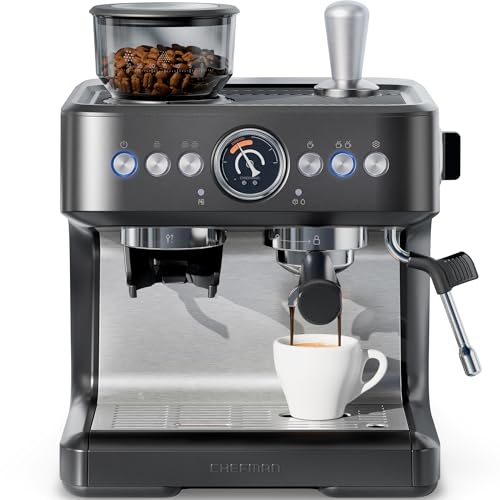 Chefman Crema Deluxe RJ54-G-SS-D-BLK Chefman Crema Deluxe RJ54-G-SS-D-BLK |
|
Check Latest Price |
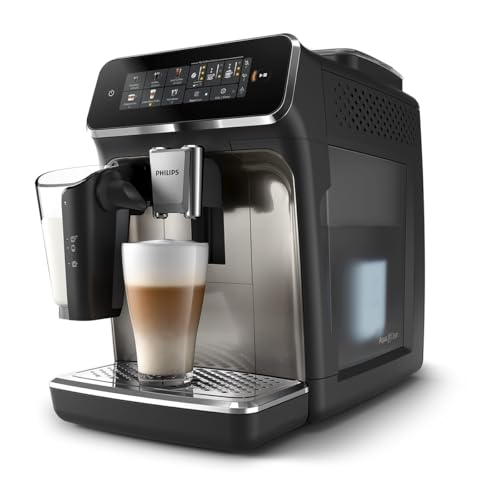 Philips 3300 Series EP3347/90 Philips 3300 Series EP3347/90 |
|
Check Latest Price |
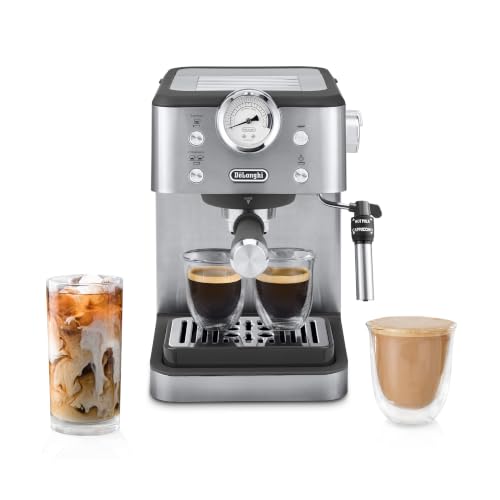 De'Longhi Classic Signature EM450M De'Longhi Classic Signature EM450M |
|
Check Latest Price |
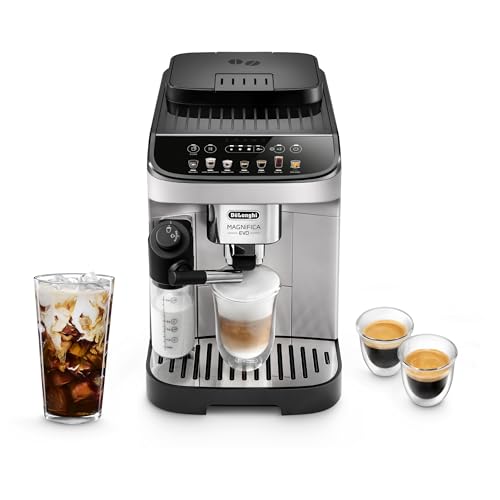 De'Longhi Magnifica Evo ECAM29084SB De'Longhi Magnifica Evo ECAM29084SB |
|
Check Latest Price |
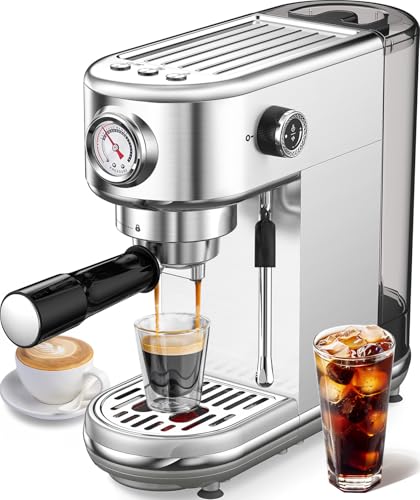 atatix 20 Bar EM3111 atatix 20 Bar EM3111 |
|
Check Latest Price |
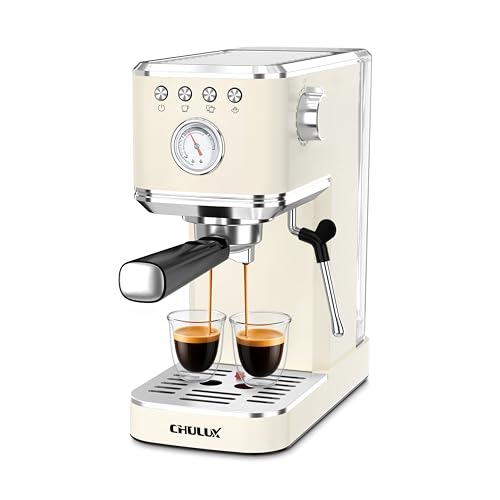 CHULUX Slim C5010 CHULUX Slim C5010 |
|
Check Latest Price |
1. Breville Barista Express BES870XL - The All-in-One Default With a Grinder and PID Control
Breville BES870XL Barista Express Espresso Machine, Brushed Stainless Steel
PID temperature control
Integrated conical burr grinder
Low pressure pre-infusion
1600W
22.1 lb
+ Pros
- Integrated burr grinder with a grind size dial
- PID control gives repeatable shots
- Strong manual steam wand for microfoam
- Hot water dispenser for Americanos
- Automatic cleaning cycle with indicator
- Cons
- Water tank and drip tray need frequent attention
- Real dial-in curve for grind dose and tamping
- Some plastic parts under a steel finish
- Automatic volumetric stop less consistent than manual
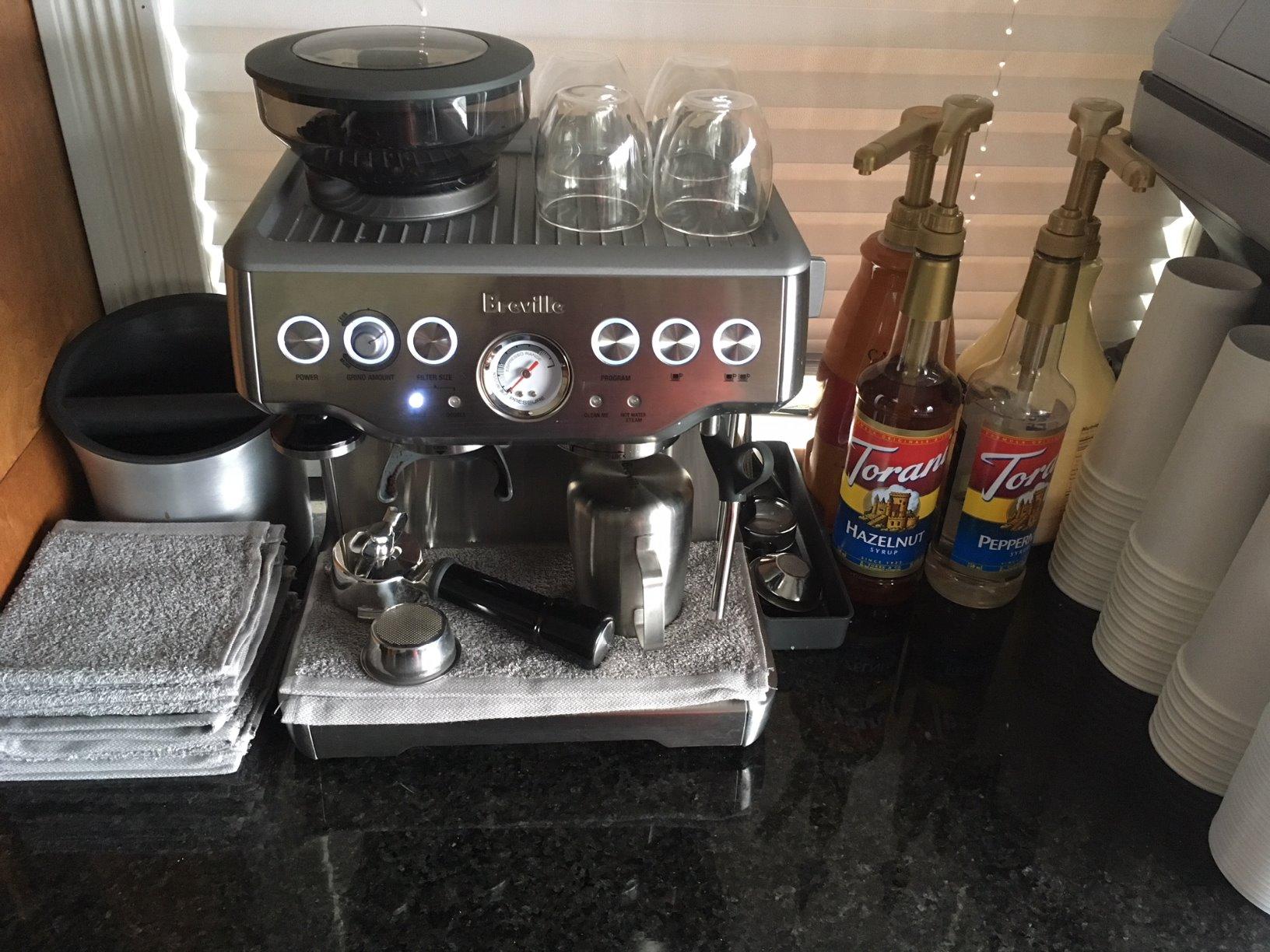
The Barista Express is the machine we kept coming back to. It arrived with the most owner feedback of anything on this list by a wide margin, and once you account for what it bundles, the reasoning is straightforward. You get a burr grinder, PID temperature control, pre-infusion, and a manual steam wand in one 22 pound body.
That combination removes the biggest trap in home espresso, which is spending everything on the machine and then grinding with something inadequate. Grind adjustment is a dial rather than a software menu, so changing a shot takes seconds, and the pre-infusion wets the puck at low pressure before full pressure arrives.
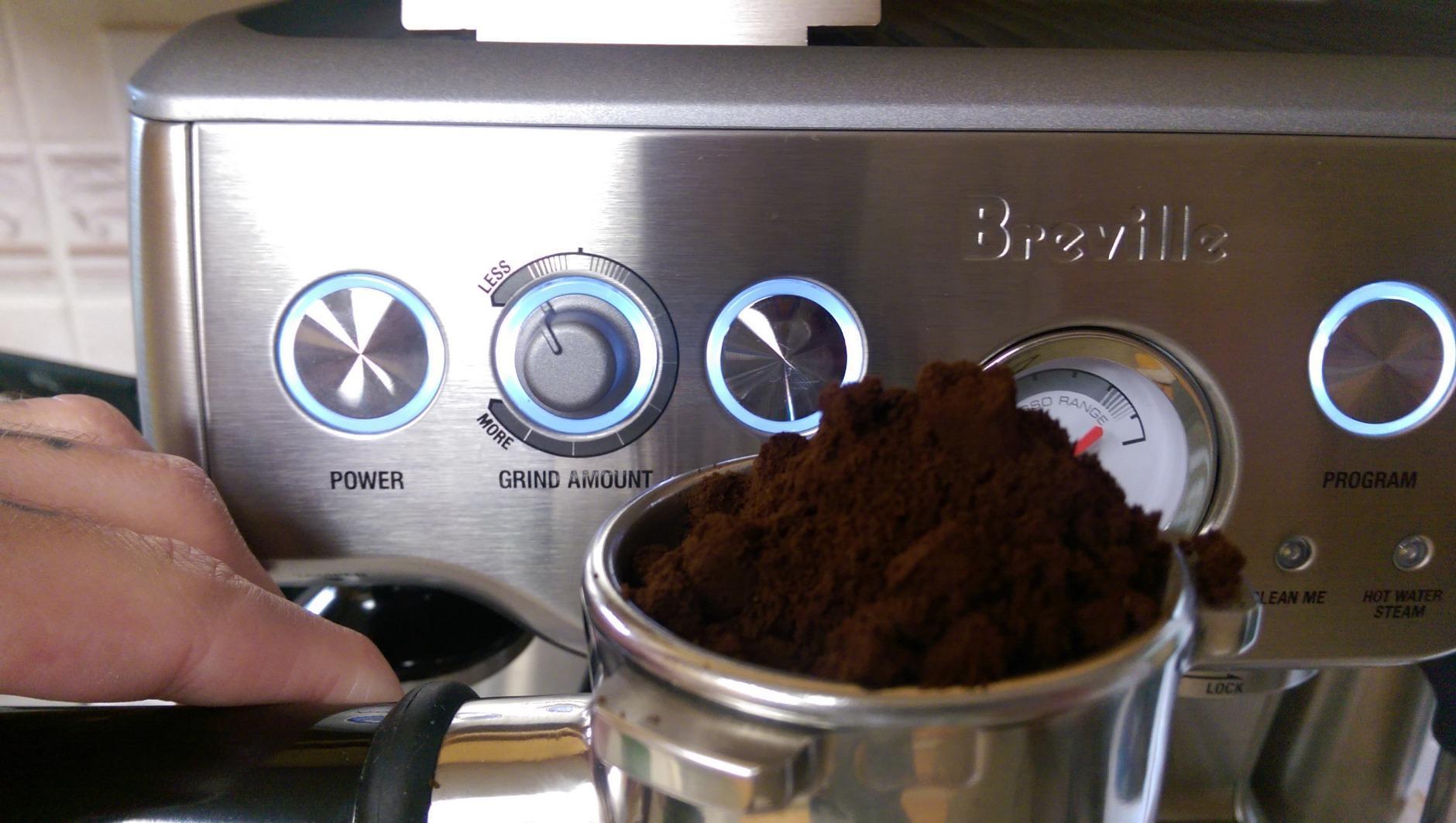
The steam wand was the sleeper feature. Manual wands in this class are often an afterthought, and this one produces microfoam thin enough for latte art. The hot water dispenser is a small thing that becomes the one you use most on a hot afternoon.
What PID Temperature Control Actually Changes
PID does not make a shot better in the abstract. It makes the ninth shot on a Sunday morning taste closer to the first shot on Monday. A thermostat cycles the boiler between a narrow band, so brew temperature depends on where in that cycle the water happens to be.
The Grinder Is the Real Feature
A half pound hopper, a grind size dial, and dose adjustment into the portafilter mean fresh grind for every shot without a second appliance on the counter. Buyers who switch beans often report that the built-in grinder holds stale beans between changes, so single dosing helps.
Where It Falls Short
The 67 oz tank and drip tray both demand attention if more than one or two people use the machine, and the automatic volumetric stop is less repeatable than dosing by weight. Some owners also note solenoid and gasket issues after extended use, which is normal wear on any machine with a three way valve.
Who Should Buy It
Buy it if you are setting up your first real espresso corner and want the grinder handled. Skip it if you already own a burr grinder, because you are paying for a second one built in.
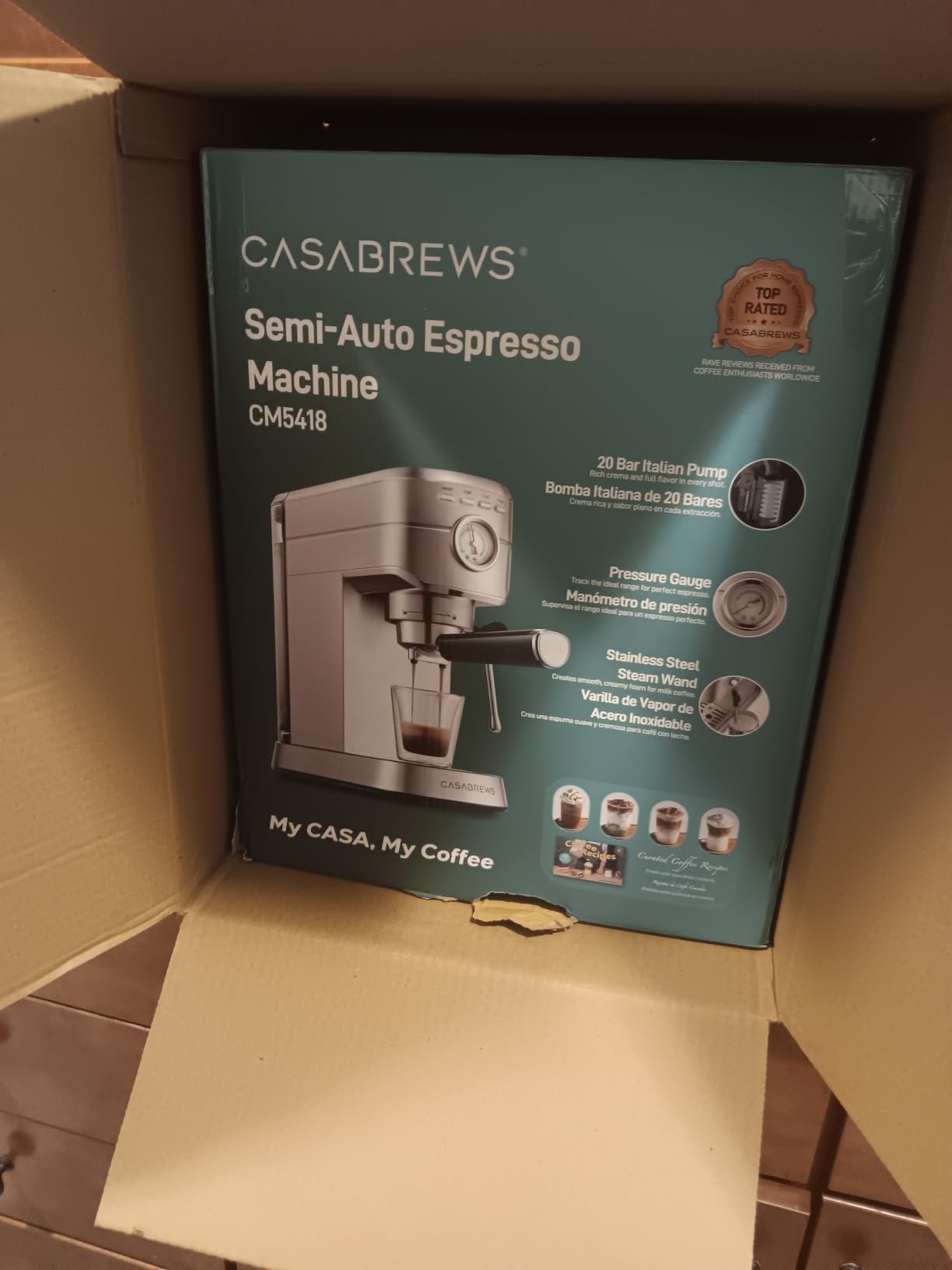
2. CASABREWS CM5418 - Best Value Compact Semi-Automatic With a Real Pressure Gauge
CASABREWS CM5418 Compact Espresso Machine with Milk Frothing Steam Wand
20 bar pump with 1350W boiler
Built-in pressure gauge
5.47 inch wide
8.6 lb
+ Pros
- Narrow body fits small kitchens and office desks
- Pressure gauge helps you learn extraction
- Steam wand textures microfoam
- Simple single and double cup buttons
- Stainless steel styling
- Cons
- Must cool down after frothing before brewing again
- Small tank needs regular refills
- No integrated grinder
- Consistency depends on user technique
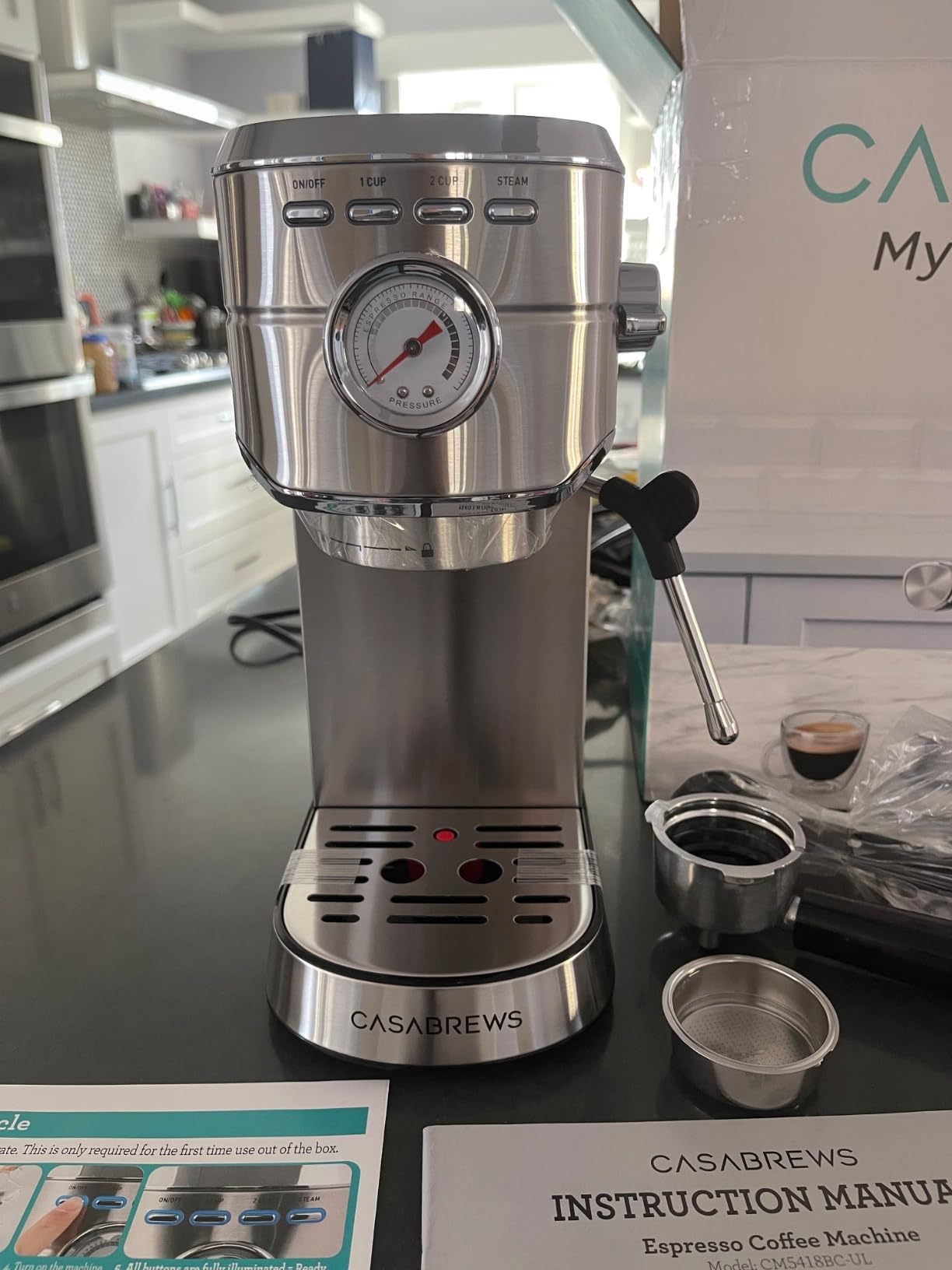
This is the machine we recommend to someone who wants to learn manual espresso without a large commitment. At 5.47 inches wide and 8.6 pounds, it takes up almost no space, and the built-in pressure gauge is the detail that separates it from other machines in the same class.
You can watch the needle climb as water pushes through the puck, which is the fastest way to understand what channelling looks like. The 20 bar pump rating is marketing, but the gauge, the 1350W boiler, and a manual steam wand together are more instrumentation than most competitors this size include.
The Cool-Down Cycle Is the One Real Catch
This machine cannot brew immediately after you froth. Steam a milk and it enters overheat protection until it cools, and the single most common complaint in reviews is people not knowing that in advance. Plan the workflow as steam every drink, then pull the shots.
What the Pressure Gauge Teaches You
If the needle spikes and drops early, your grind is too coarse. If it never climbs, it is too fine. That single gauge answers most of the questions a beginner has in the first month, which is worth more than a feature that sounds better on paper.
Who Should Buy It
Buy it for a small kitchen, a dorm, or an office corner where a full sized machine is not realistic. It is also a good first machine for someone who already owns a burr grinder.
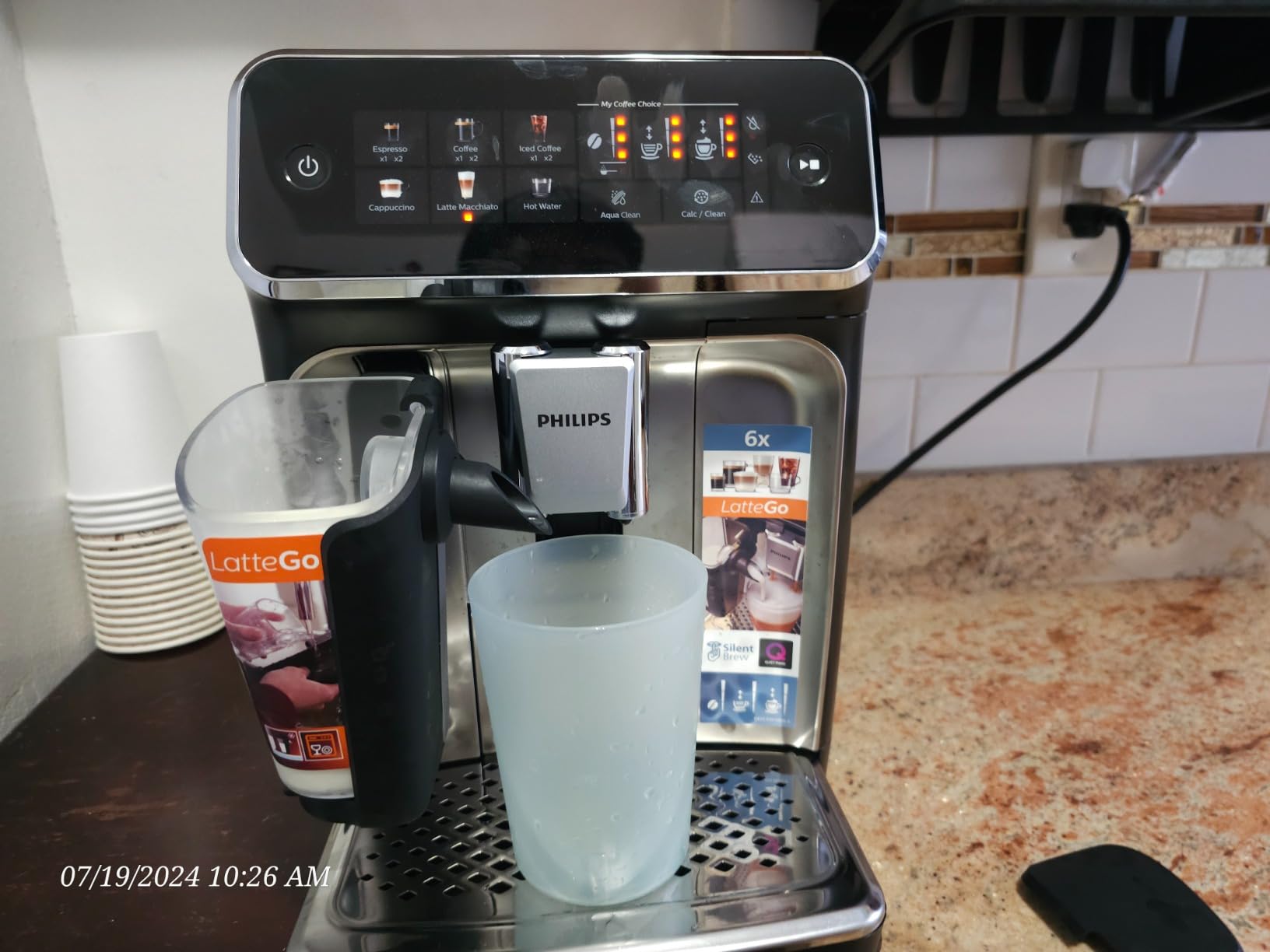
3. Philips 3200 Series EP3241/54 - Best for Hands-Free Drinks With Almost No Milk System Hassle
Philips 3200 Series Fully Automatic Espresso Machine, LatteGo Milk Frother, 5 Coffee Varieties...
100 percent ceramic grinder
Tube free milk system
AquaClean filter
Five drink types
8 kg
+ Pros
- Fully hands-free from beans to finished drink
- Two part milk system cleans in about 15 seconds
- Touch display simplifies drink choice
- AquaClean cuts descaling frequency
- Covers five drink varieties
- Cons
- Plastic heavy exterior
- Output depends heavily on bean freshness and grind tuning
- Larger footprint than compact semi automatics
- Foam is thinner than a dedicated steam wand
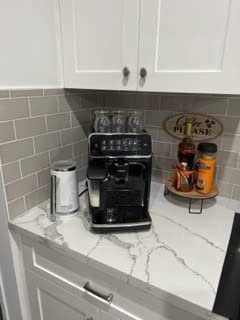
Super automatics get dismissed by enthusiasts, and some of that is fair. But if the goal is a drink that tastes good at 6am without thinking about it, the calculus changes. The Philips 3200 Series is a bean to cup machine with a ceramic grinder, a touch display, and five drink types on board.
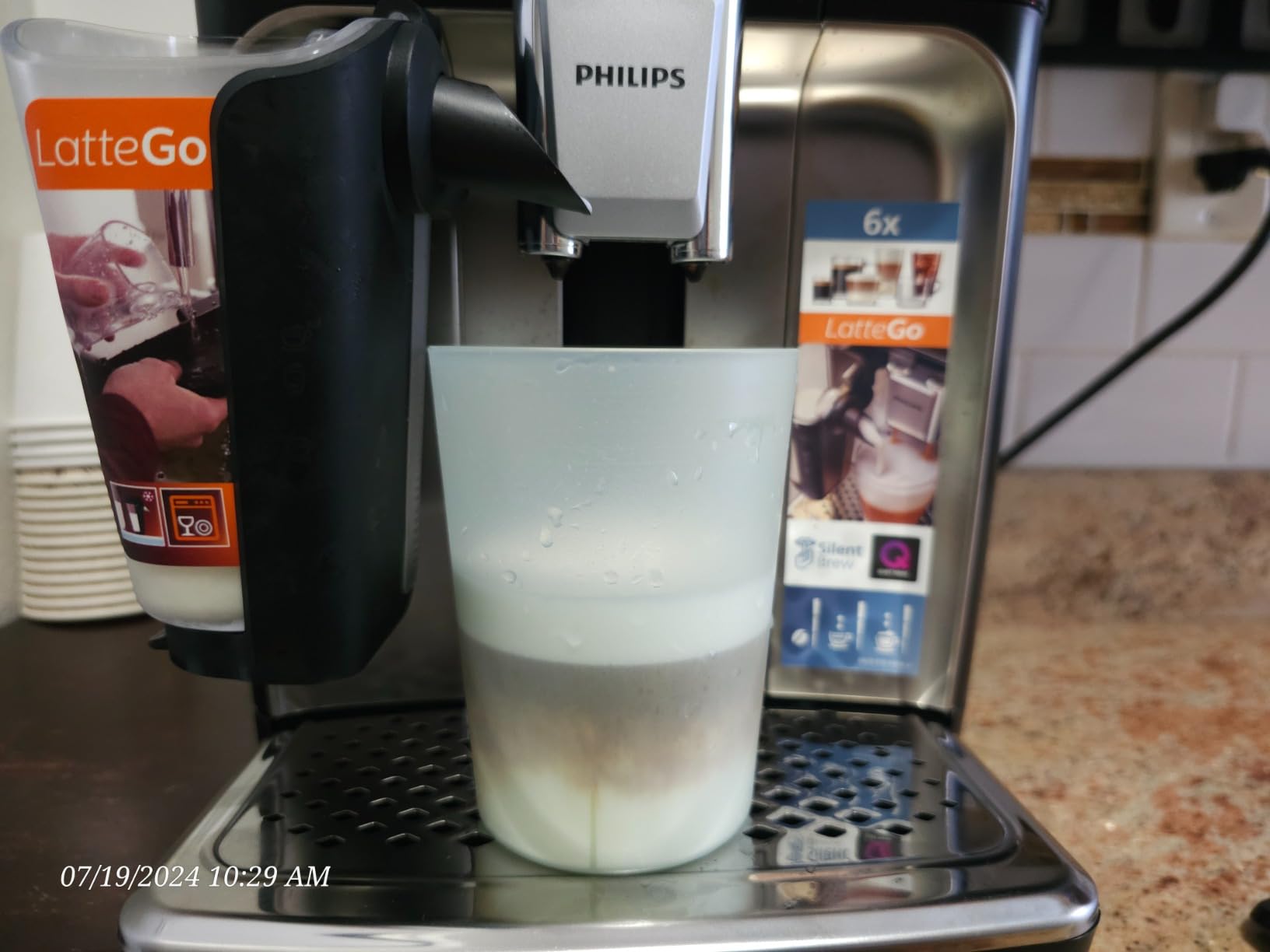
The detail that converts most people is the LatteGo system. It is a two piece milk circuit with no tubes, so there is nothing to run water through overnight. The rinse cycle takes roughly fifteen seconds, which is the difference between a machine you use daily and one you avoid because of cleanup.
AquaClean Is the Quiet Hero
Scale is the number one killer of home machines, and this one carries a filter rated for up to 5000 cups before descaling. That is not maintenance free, but it moves a chore from frequent to occasional.
Where Super Automatics Lose
You give up control. Grind, dose, and extraction are handled internally and cannot be dialled in the way a manual machine allows. Reviewers note that output quality swings with bean quality and that the foam is thinner than what a dedicated steam wand produces, so latte art is out of reach.
Who Should Buy It
Buy it if espresso is a delivery mechanism for caffeine rather than a hobby, or if the household includes people who will not learn a manual workflow.
4. Breville Barista Pro BES878BSS - Most Versatile for Faster Heat-Up and Stronger Steam
Breville BES878BSS Barista Pro Espresso Machine, Brushed Stainless Steel
ThermoJet heat-up
PID within two degrees C
Integrated grinder
1680W
19.5 lb
+ Pros
- Very fast heat-up with instant switch to steam
- PID plus pre-infusion for balanced shots
- Powerful wand that makes microfoam easier
- Integrated grinder with dose control
- Backlit LCD shows progress
- Cons
- Automatic mode is less repeatable than manual mode
- Real dial-in time for grind and ratio
- 54mm portafilter is below the 58mm standard
- Grinder is loud and burrs can wear within a year
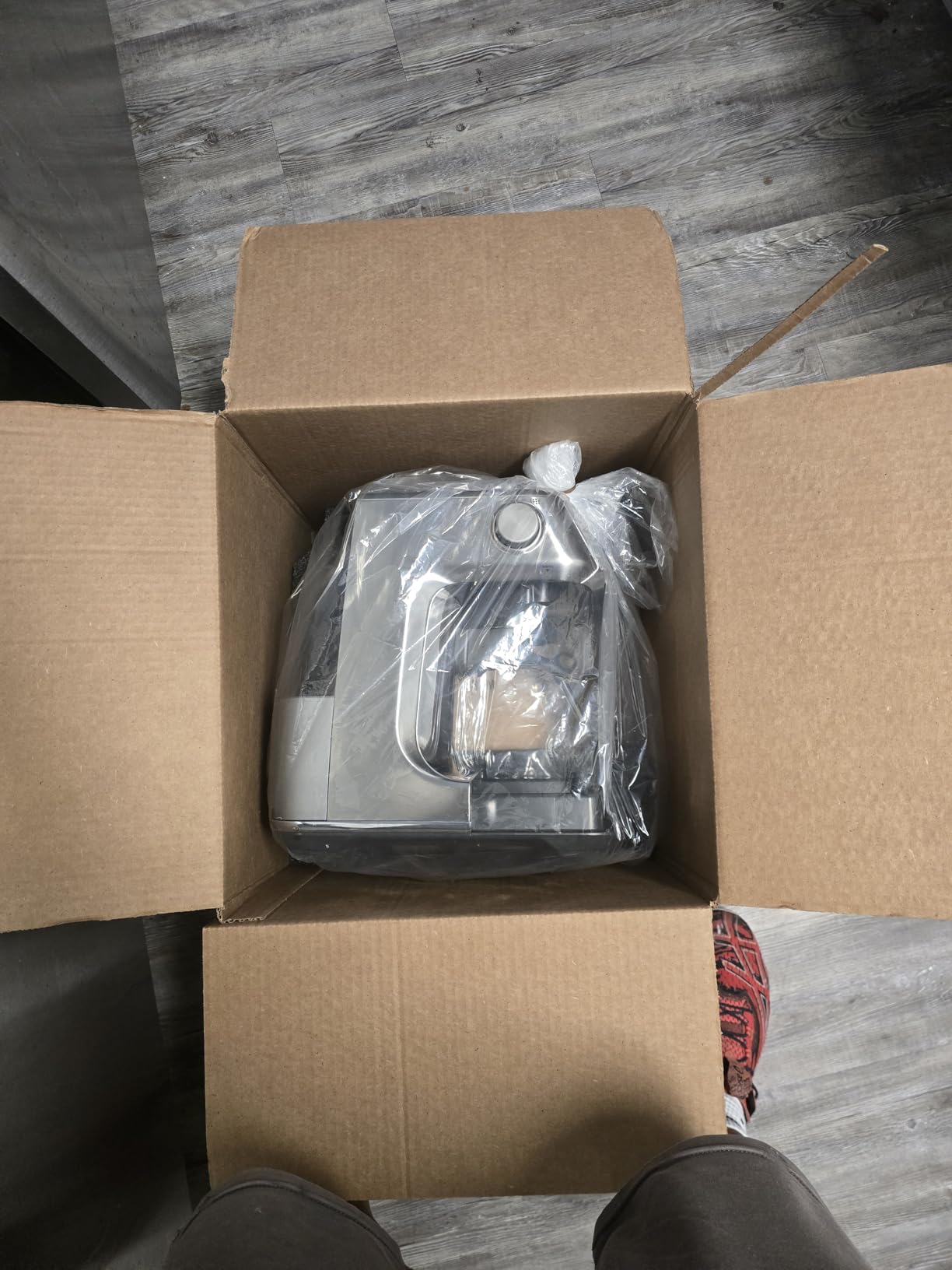
The Barista Pro is the Barista Express with faster heating and a better steam system, and those two upgrades are the entire reason to consider it. ThermoJet brings the thermoblock to extraction temperature in roughly three seconds, so the machine is useful the moment you switch it on rather than ten minutes later.
Its second advantage is the steam wand. Owners consistently describe the microfoam as easier to produce than on the Express, and for anyone making more than one milk drink a day that difference compounds quickly.
The Three Second Claim Needs a Caveat
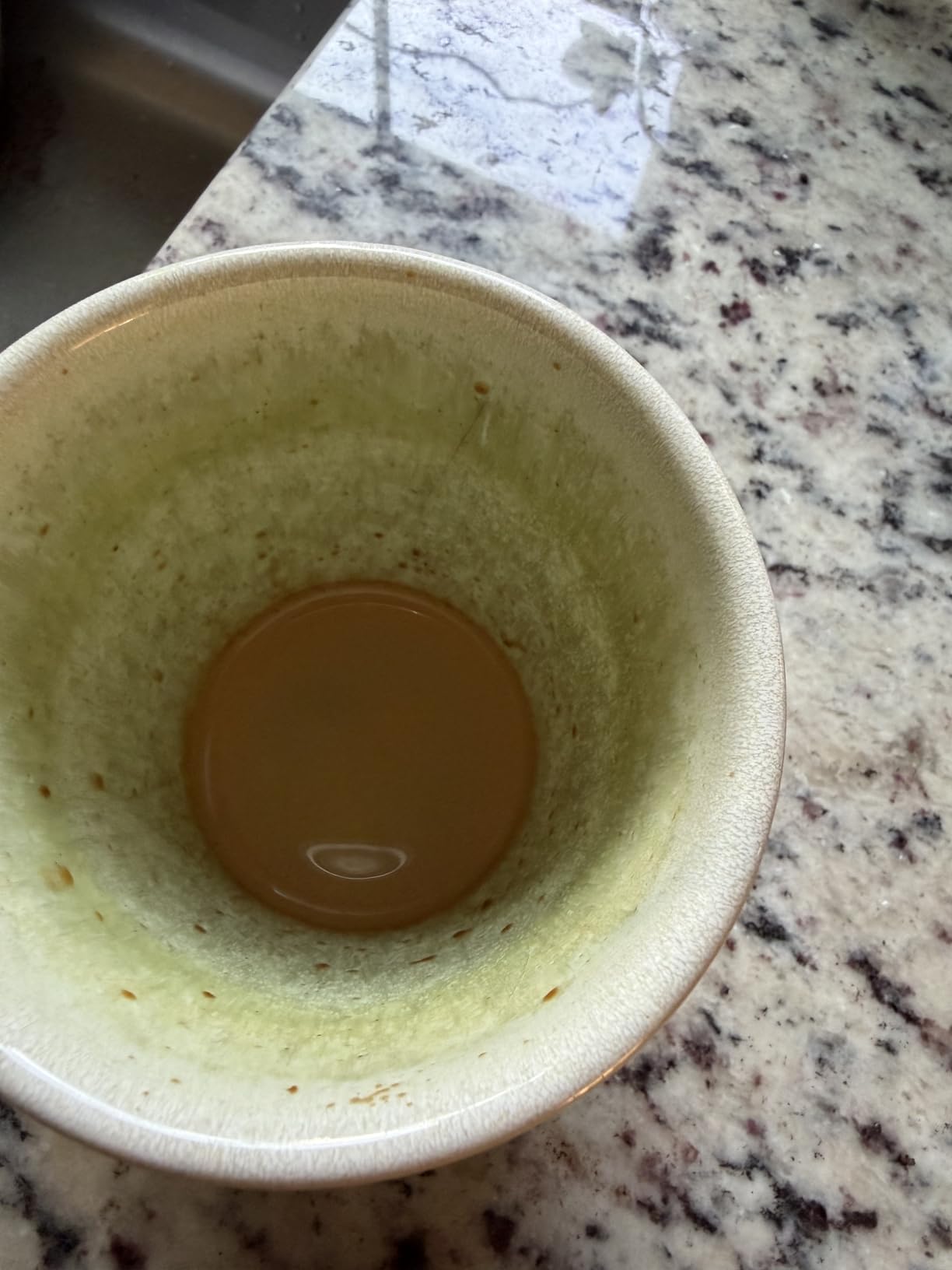
Fast heating refers to the thermoblock, not the group head. The metal in the group still starts cold, so the first shot after power-on can come out sour. Run a blank shot and discard it, and the second pull behaves like the marketing suggests.
Use Manual Mode, Not the Buttons
The volumetric buttons stop on a timer, and reviewers report less repeatable results than stopping the shot by yield. A scale and a stopwatch turn this machine from good into very good, and that habit is worth building before you buy a second one.
Noise and Burr Wear Are Real
The integrated grinder is genuinely loud. Some owners also report burr wear within about a year of daily use, which is the argument for single dosing from the hopper so you can bypass the dosing chamber.
Who Should Buy It
Buy it if you make several milk drinks a day and want speed plus a forgiving steam wand. If you drink straight espresso only, the Express gives you the same core result for less.
5. Gevi 20 Bar Compact ECMG0 - Best for Learning Pressure Control at a Glance
Gevi 20 Bar Compact Espresso Machine for Home,Latte、Cappuccino Coffee Maker
NTC temperature control
Built-in pressure gauge
Pre-infusion
1350W
8.6 lb
+ Pros
- Consistent espresso with good crema
- Visible pressure gauge aids learning
- Compact stainless body fits limited space
- Removable drip tray simplifies cleaning
- Reliable over long daily use
- Cons
- Shuts off after steaming so a second drink needs a wait
- Top cup warmer does not really keep drinks warm
- Small double basket needs reloading often
- Included plastic tamper is basic
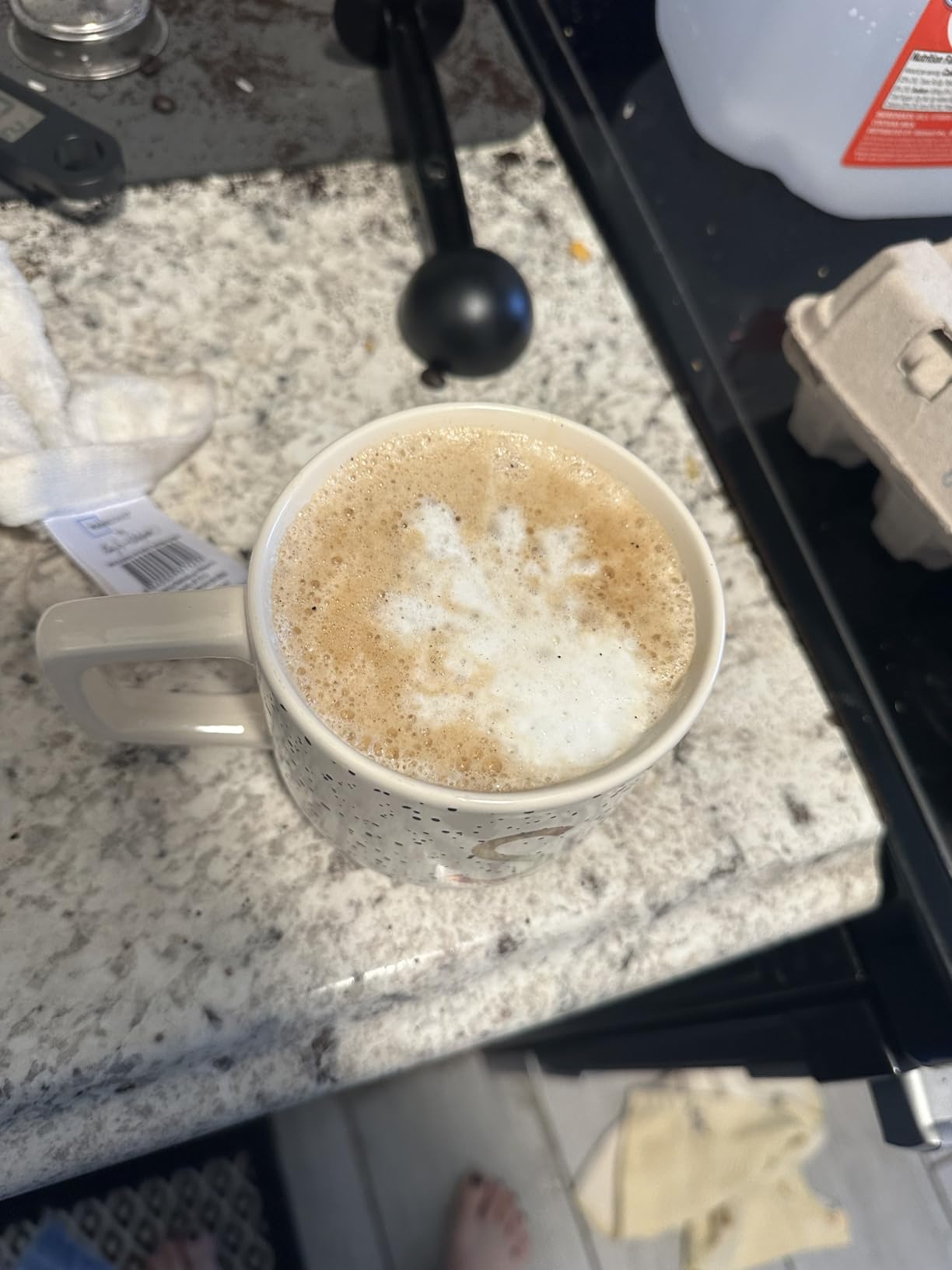
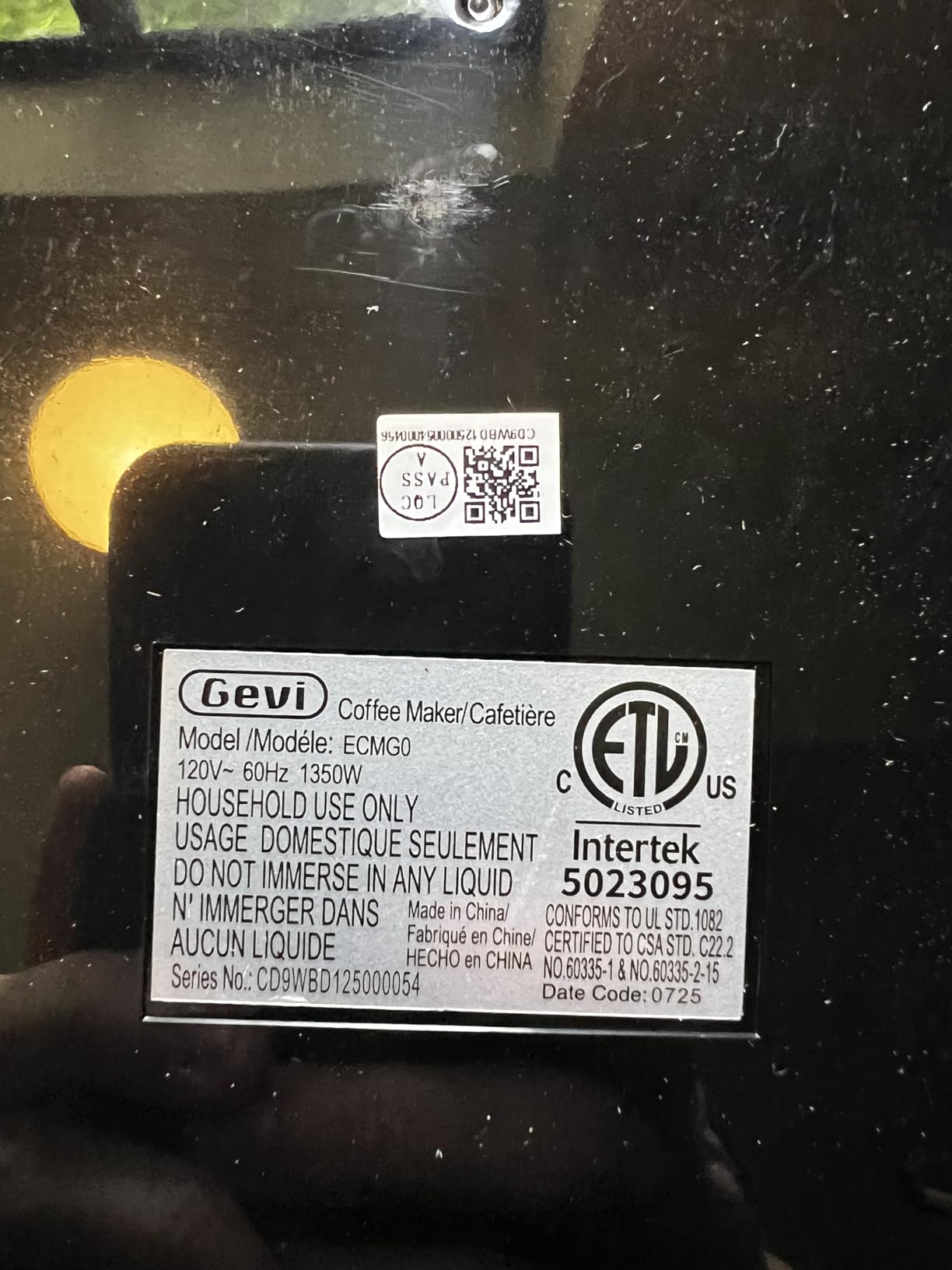
The Gevi ECMG0 is the pick for anyone who wants to understand pressure rather than just push a button. It pairs NTC temperature control and a pre-infusion function with a visible pressure gauge, at 5.5 inches wide and 8.6 pounds. The gauge is the reason why.
Single and double shot buttons meter the water automatically, so it works as an approachable machine, but the gauge is always there when you want to watch what the pump is doing. Owners frequently describe it as outperforming machines several times its size.
NTC Control and What It Gives Up
NTC uses a temperature sensor with a simpler control loop than a PID. It is a clear step up from a fixed thermostat and a step down from PID stability. The 12 month warranty and lifetime technical support are a reasonable backstop for a first machine.
The Reset Wait After Steaming
Like several compact units here, the Gevi shuts down after frothing so the boiler can recover. Owners also note the top cup warmer does little more than occupy space, and the double basket is small enough to need reloading every two shots.
Who Should Buy It
Buy it if you want a small machine with more instrumentation than the typical entry model. It pairs well with a separate burr grinder since there is no built-in one.
6. Breville Barista Touch BES880BSS - Best for Custom Milk Textures and Saved Recipes
Breville BES880BSS Barista Touch Espresso Machine, Brushed Stainless Steel
Touchscreen with eight custom settings
Programmable milk texture
ThermoJet heating
PID control
21.8 lb
+ Pros
- Screen guides you through grind brew and milk
- Milk temperature and texture are programmable
- Eight custom recipes can be saved
- Fast ThermoJet heat-up
- Full stainless steel portafilter included
- Cons
- Premium price against other Barista Series models
- Large footprint and heavy build
- Real learning curve for grind and milk settings
- Group head and steam wand need regular cleaning
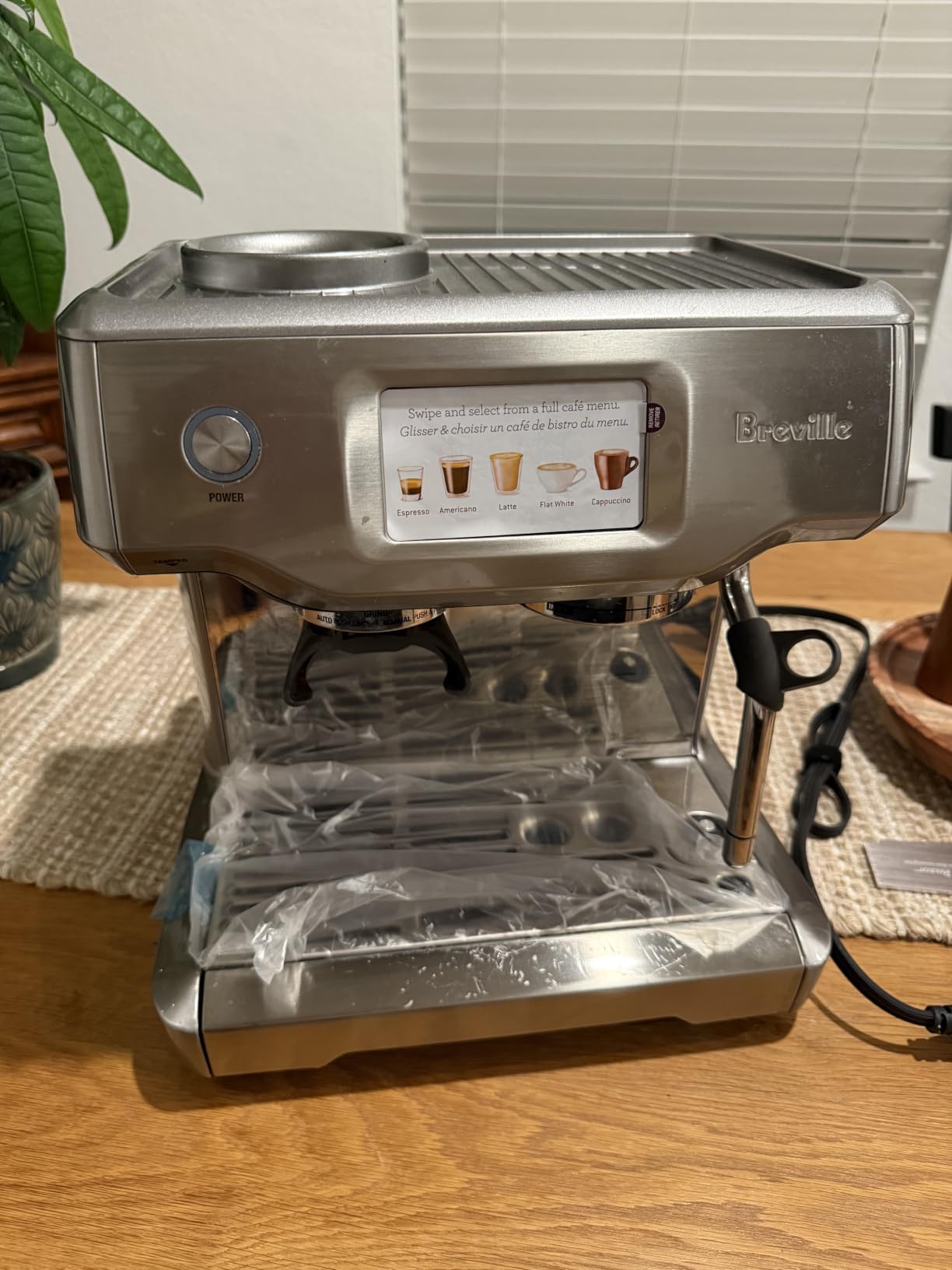
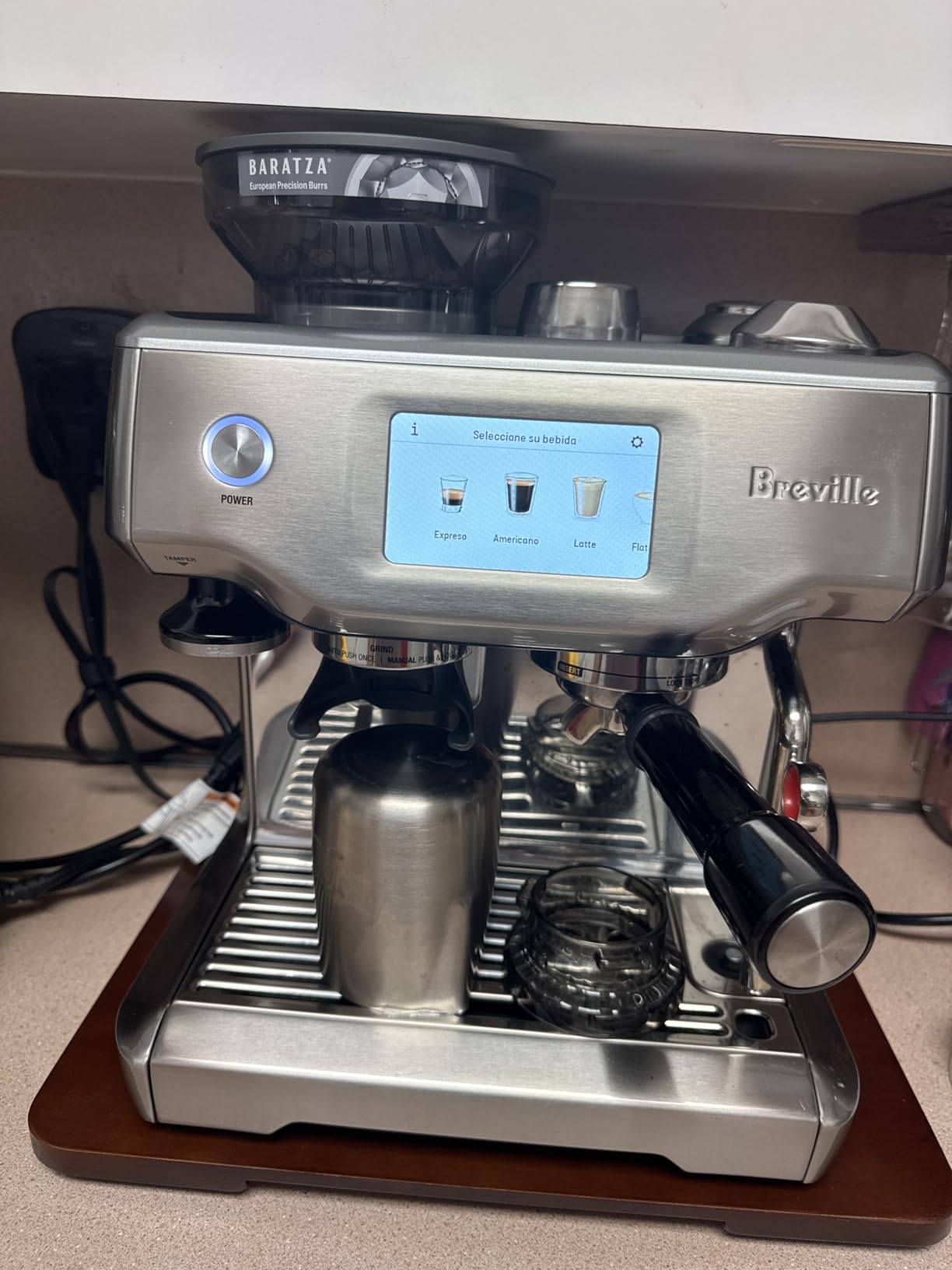
The Barista Touch is for someone who wants a machine to remember their preferences. The touchscreen walks through grind, brew, and milk as three steps, and you can store up to eight custom recipes. If two people in your house drink different things, that storage gets used daily.
Milk temperature and texture are programmable rather than fixed, so you can set a soft, cool microfoam for a latte and a stiffer, hotter foam for a cappuccino without relearning anything each morning.
Where the Touchscreen Helps and Where It Does Not
Guided steps remove guesswork for a first week, which matters if nobody in the household wants to learn grind adjustments. After that the screen is mostly a launcher. The real decisions still live in grind size, dose, and ratio.
Footprint and Weight Are Part of the Spec
At 21.8 pounds and 12.7 by 15.5 by 16 inches, this is the largest thing on the list. Measure your counter before you order, because the width is not where most people expect it. The 67 oz tank means fewer refills but a bigger hole in your kitchen.
Who Should Buy It
Buy it if two or more people drink different espresso drinks, or if you want programmable milk without buying a separate machine. If you drink one thing, the Barista Pro gives you the same espresso for less.
7. Chefman Crema Deluxe RJ54-G-SS-D-BLK - Best for Brewing and Steaming at the Same Time
Chefman Crema Deluxe Espresso Machine with Double Boiler, Use Milk Frother and Brew Espresso...
Dual boiler
58mm portafilter
30 setting grinder
3L reservoir
29.5 lb
+ Pros
- Dual boiler brews and steams at the same time
- Integrated 30 setting conical burr grinder
- 58mm commercial size portafilter
- Large 3L reservoir cuts refills
- Good value for beginners
- Cons
- Grinder output and pressure can fade within months
- Hard to disassemble for deep cleaning
- Some reported electronics failures
- Noisy during extraction and steaming
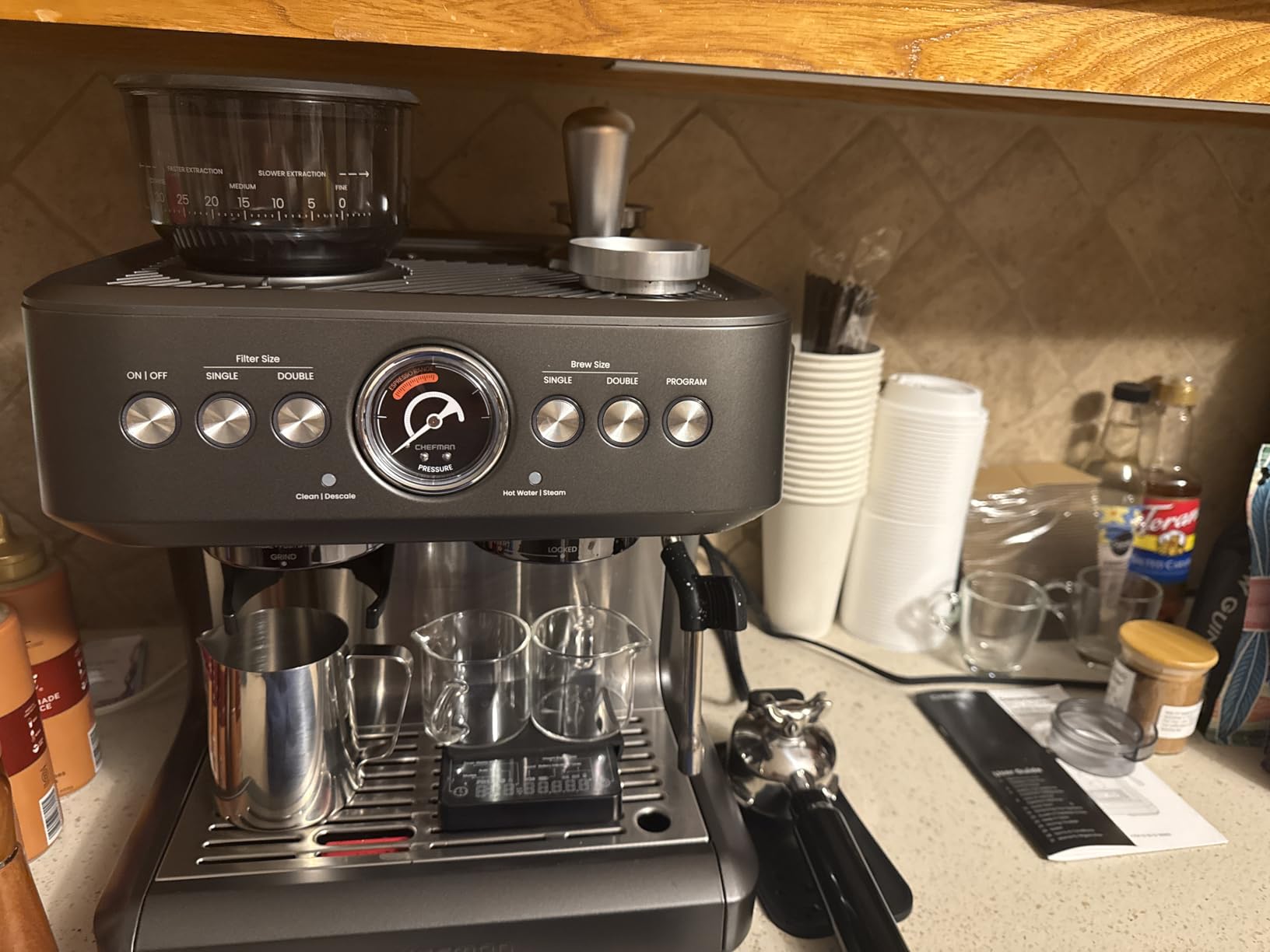
Dual boilers are usually the prosumer upgrade, and this is the rare machine that puts one at an entry price point. Two separate boilers mean one heats water for brewing while the other handles steam, so a second milk drink does not require waiting for temperature recovery.
It also carries a 58mm portafilter, the commercial standard, which matters more than most buyers expect. Baskets, tampers, distributors, and bottomless baskets for that size are widely available, so the machine has an ecosystem rather than a sealed one.
Dual Boiler Solves the Temperature Surfing Problem
On a single boiler, brewing and steaming share one water reservoir, so you either brew cold or you wait. For a household making three or four milk drinks before anyone leaves, that is the difference between a pleasant morning and a queue at the counter.
Durability Is the Question Mark
Several reviews report loss of pressure, reduced grinder efficiency, or electronics failures after a few months of daily use. Serviceability is limited, since the machine is difficult to disassemble for deep cleaning or repair. Treat it as an appliance with a finite life rather than a forever machine.
Who Should Buy It
Buy it if simultaneous brewing and steaming matters and you want a 58mm ecosystem. Avoid it if you intend to keep a machine for a decade and enjoy servicing it yourself.
8. Philips 3300 Series EP3347/90 - Best for Low Maintenance and Quiet Early Mornings
PHILIPS 3300 Series Fully Automatic Espresso Machine - LatteGo Milk System, 5 Coffee Varieties...
SilentBrew quieter preparation
Tube free LatteGo milk
AquaClean filter
Ceramic grinder
+ Pros
- Noticeably quieter than earlier Philips machines
- Very easy cleaning with a pull-off milk system
- Good range of drinks including iced coffee
- AquaClean reduces descaling frequency
- Reliable for some owners past a year of daily use
- Cons
- Foam thinner than dedicated frother systems
- Hopper does not always feed reliably when low
- Cannot steam milk without making a drink
- Purges water into the tray each cycle
The 3300 Series is the 3200 with two meaningful changes. SilentBrew makes it noticeably quieter during grinding and brewing, and the modern touch display uses colored icons instead of text. For a machine that runs at 6am, the noise reduction is the feature owners mention first.
Six beverages are on offer, including iced coffee, and My Coffee Choice lets you set strength, length, and froth level. The AquaClean filter again carries a 5000 cup descaling interval, so the maintenance story stays light.
The Drip Tray Filling Up Is Normal
New owners frequently report being surprised that the machine purges water into the drip tray at the start and end of every cycle. That is by design, not a fault, and emptying the tray is part of the routine.
Break-In Is Real Here
The machine needs a period of use before puck quality and taste improve, which is common for super automatics as the burrs wear in. The bean hopper also does not always feed reliably as it empties, so keeping it half full avoids a frustrating morning stall.
Who Should Buy It
Buy it if noise and cleanup are your two biggest concerns and you want drinks beyond espresso. If microfoam matters, look at a machine with a steam wand instead. If the noise you are trying to solve is the room rather than the machine, our portable white noise machine guide covers that side of the problem.
9. De'Longhi Classic Signature EM450M - Best Compact Italian Design for a Small Kitchen
De'Longhi Classic Signature Espresso Machine, Adjustable Milk Frother
Thermoblock heating
15 bar pump
Two setting steam wand
9 lb
9 inch wide
+ Pros
- Fast heat-up from thermoblock technology
- Good espresso with solid crema
- Compact 9 inch wide footprint
- Stylish stainless steel finish
- Presets make it approachable for beginners
- Cons
- Mostly light plastic under the steel finish
- No integrated grinder
- Steam wand foams before milk is hot enough
- Portafilter basket lacks a retaining latch
The Classic Signature is the pick for anyone who wants a small footprint and a fast start without giving up a manual workflow. At 9 inches wide and 9 pounds, it is one of the narrowest machines here, and thermoblock heating means it is pulling shots soon after switching on.
Single and double shot presets make it approachable, and reviewers consistently point to De'Longhi's brand reliability as part of why they recommend it to a first time buyer.
The Two Setting Steam Wand
The wand adjusts from steamed milk to microfoam, but reviewers note it starts producing foam before the milk reaches serving temperature. Pull the pitcher lower in the early part of the texture and it behaves much better. That is a technique fix, not a hardware fault.
Expect Plastic Under the Steel
The body is predominantly light plastic, and the portafilter lacks a retaining latch for the basket, so expect to nudge the basket when you seat it. Neither issue affects the cup in your hand.
Who Should Buy It
Buy it for a narrow counter or a first espresso setup where fast heat-up matters more than an integrated grinder. Pair it with a separate burr grinder and it becomes a genuinely capable compact machine.
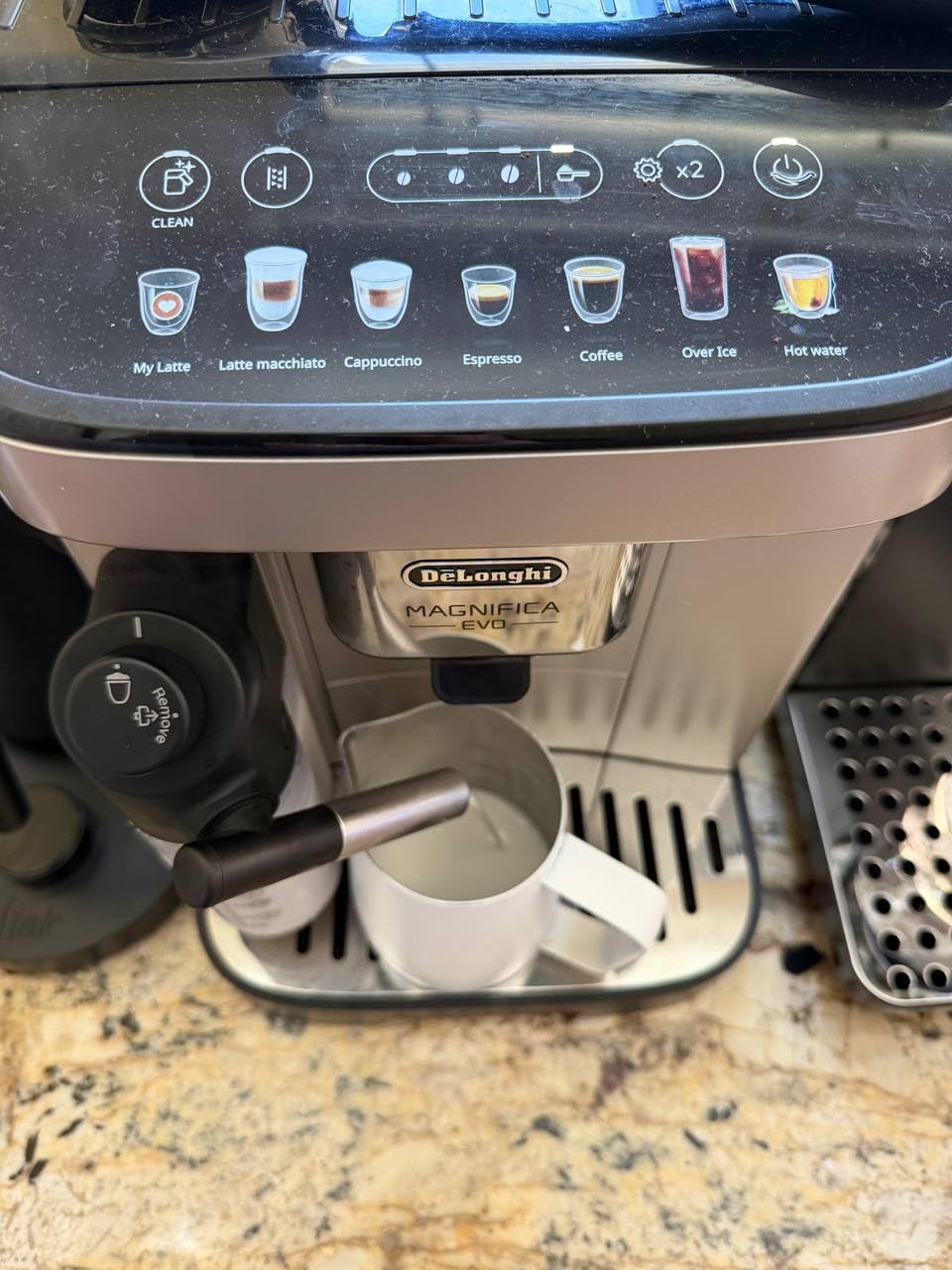
10. De'Longhi Magnifica Evo ECAM29084SB - Best for a Fresh Grind on Every Cup
De'Longhi Magnifica Evo Automatic Espresso Machine, Milk Frother, Silver
Integrated bean grinder
LatteCrema auto frother
Dishwasher safe brew group
15 bar pump
21.2 lb
+ Pros
- Grinds beans fresh for each drink
- One-touch recipes are easy to learn
- Automatic frother handles oat milk well
- Iced coffee setting performs
- Removable dishwasher safe parts and auto clean
- Cons
- Large countertop footprint
- Daily cleaning of carafe and brew group required
- Loud grinder and boiler
- Weaker espresso strength than manual machines
The Magnifica Evo is the bean to cup option for someone who wants fresh grinding without managing a hopper of pre-ground coffee. Grind, strength, temperature, and froth are all adjustable through one-touch recipes, and the LatteCrema system handles textured milk automatically.
Owners report the automatic frother producing thick, consistent foam including with oat milk, which is the case that trips up most integrated systems. The brew group, milk carafe, and grounds bin all come out and go in a dishwasher, and there is an automatic cleaning cycle.
The Removable Brew Group Is the Upgrade Path
Many super automatics weld the brew group in, which means a clog can only be fixed by a technician. The Magnifica Evo brew group lifts out, so you can rinse it weekly. For a category with a reputation for expensive repairs, that single design decision matters over years rather than months.
Footprint and Daily Upkeep
At 19.5 by 12.1 by 16 inches and 21.2 pounds, this is the deepest machine on the list. It holds about half a pound of beans, notifies you when the waste bin needs emptying, and purges water into the tray before and after use. Daily cleaning of three parts is real work.
Who Should Buy It
Buy it if you want the widest range of one-touch drinks and a brew group you can service yourself. Skip it if espresso strength matters more than convenience.
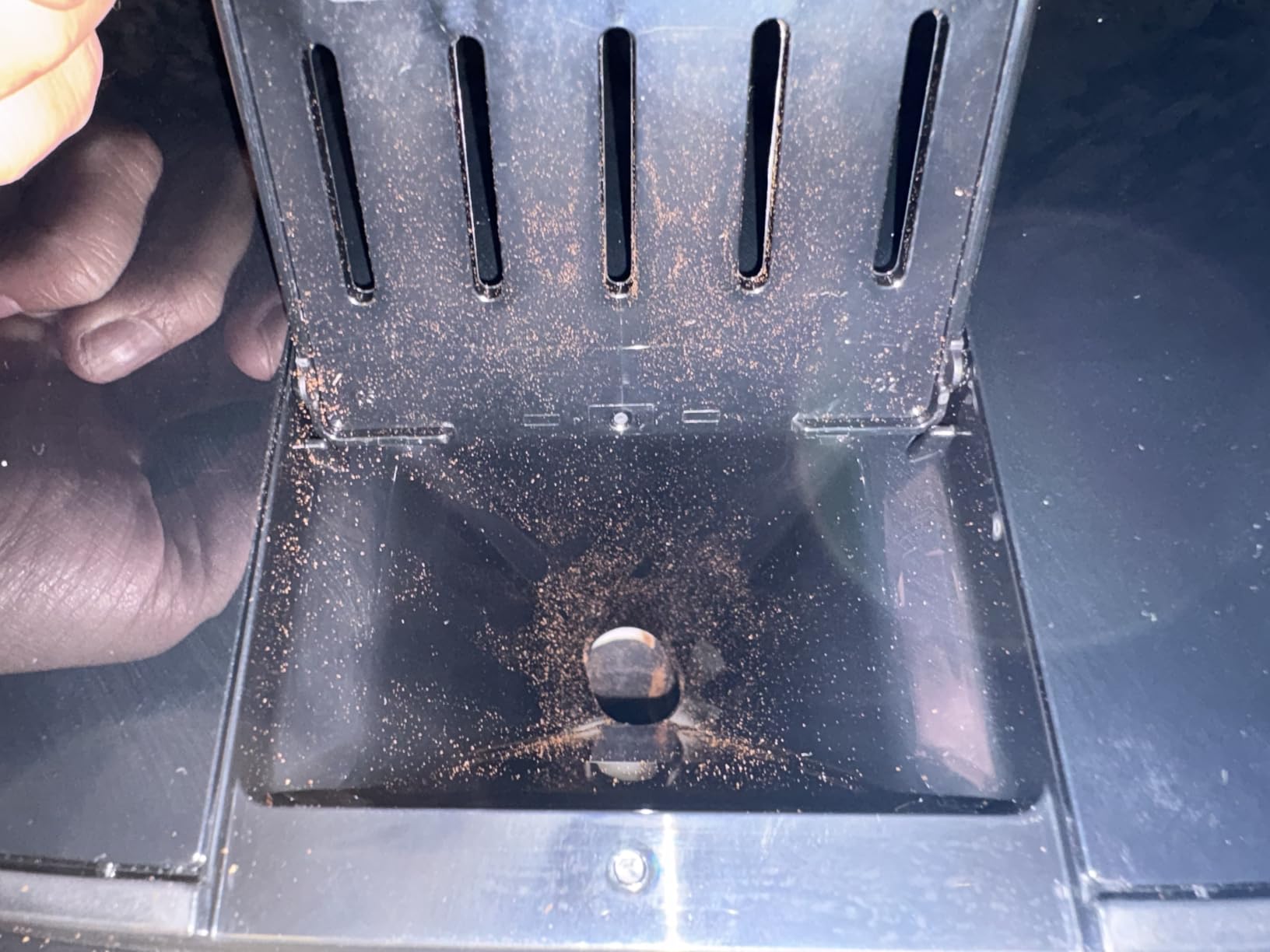
11. atatix 20 Bar EM3111 - Best for Custom Shot Volume and Manual Extraction
atatix Espresso Machine with Milk Frother, 20 Bar Pressure Espresso Maker
Auto and manual extraction modes
NTC control
30 second preheat
12 by 5 by 11 inches
7.5 lb
+ Pros
- Holds 9 to 10 bar through extraction
- Fast 30 second preheat with NTC control
- Manual mode allows a long custom yield
- Steam wand makes dense microfoam
- Silicone feet keep it stable on the counter
- Cons
- Instruction manual is thin for first time users
- Double basket holds less than a 16g dose
- No integrated grinder despite input listing
The atatix EM3111 is unusual in this roundup because it gives you real manual control. Auto mode fires calibrated single and double shots, and manual extraction runs up to 102 seconds for a 180 to 350 gram yield. That range covers everything from a ristretto to a long coffee, which no other machine here does.
At 7.5 pounds and 5 inches wide, it is also one of the smallest and lightest. NTC control holds the 90 to 96 degree C range with a 30 second preheat, and silicone feet stop the machine walking across the counter during extraction.
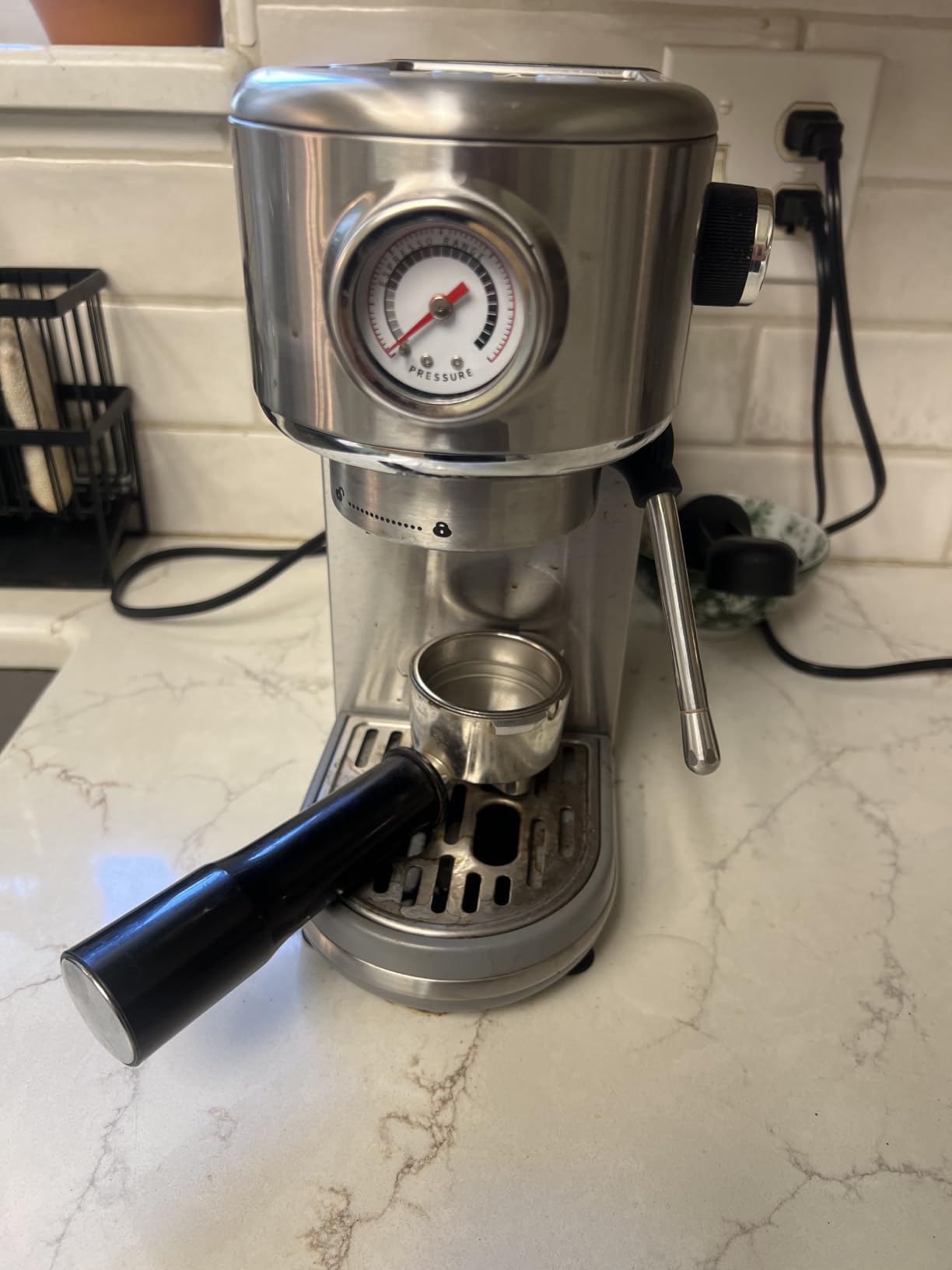
Why Manual Extraction Mode Matters
Auto mode is a fixed dose. Manual mode is a stopwatch, which means you can pull a 60 gram long coffee at the same grind and taste the difference in concentration. This is the machine on the list where experimentation is genuinely supported rather than accidental.
Documentation Is the Weak Spot
The most repeated complaint is thin documentation, so plan to learn puck preparation from other sources. The double basket also holds less coffee than a standard 16 gram dose, so recalibrate your expectations on yield before judging the shot.
Who Should Buy It
Buy it if you want to experiment with yield and strength on a small footprint, and you already have a grinder. It is a good first machine for someone who wants to learn rather than be served.
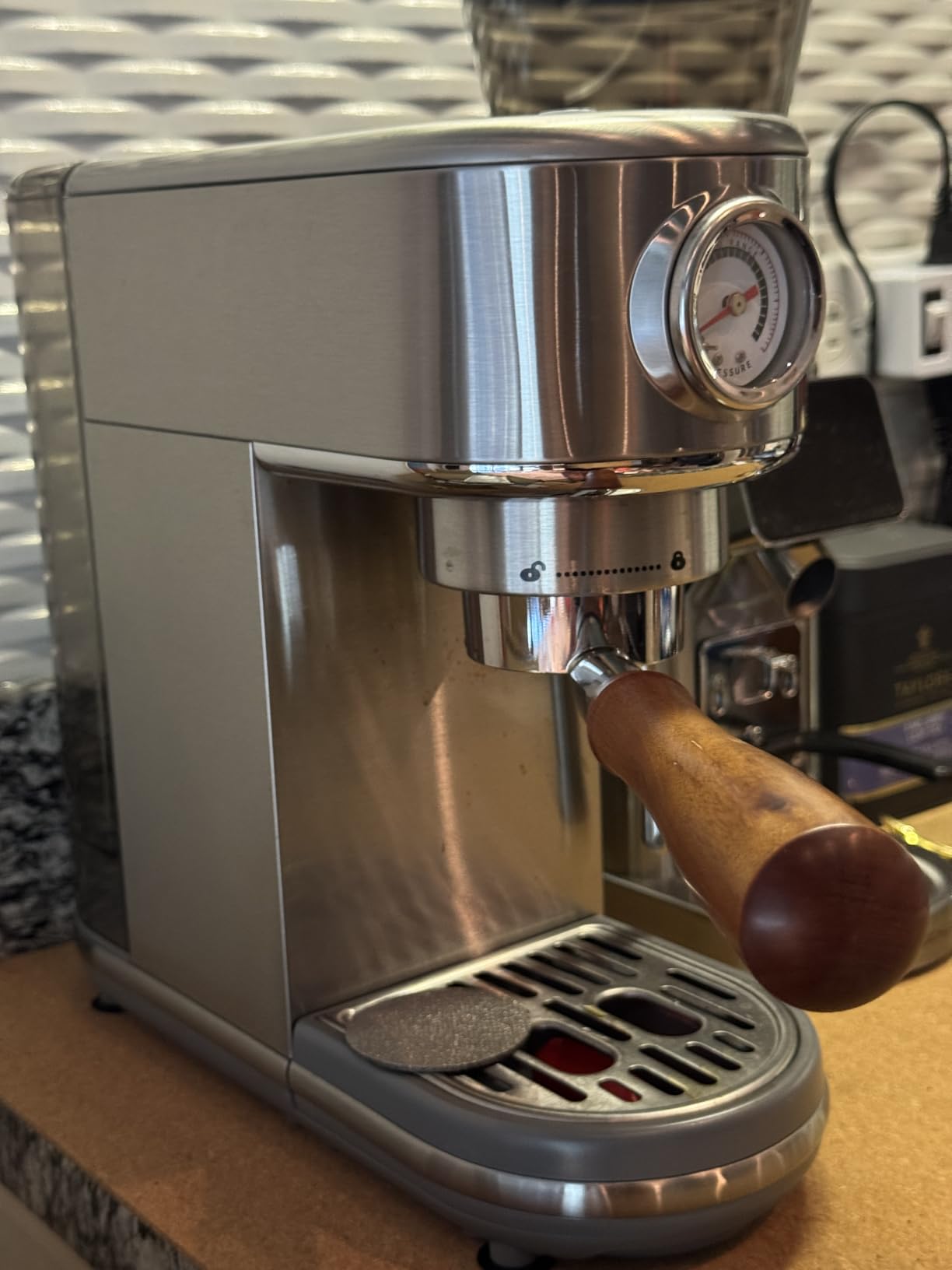
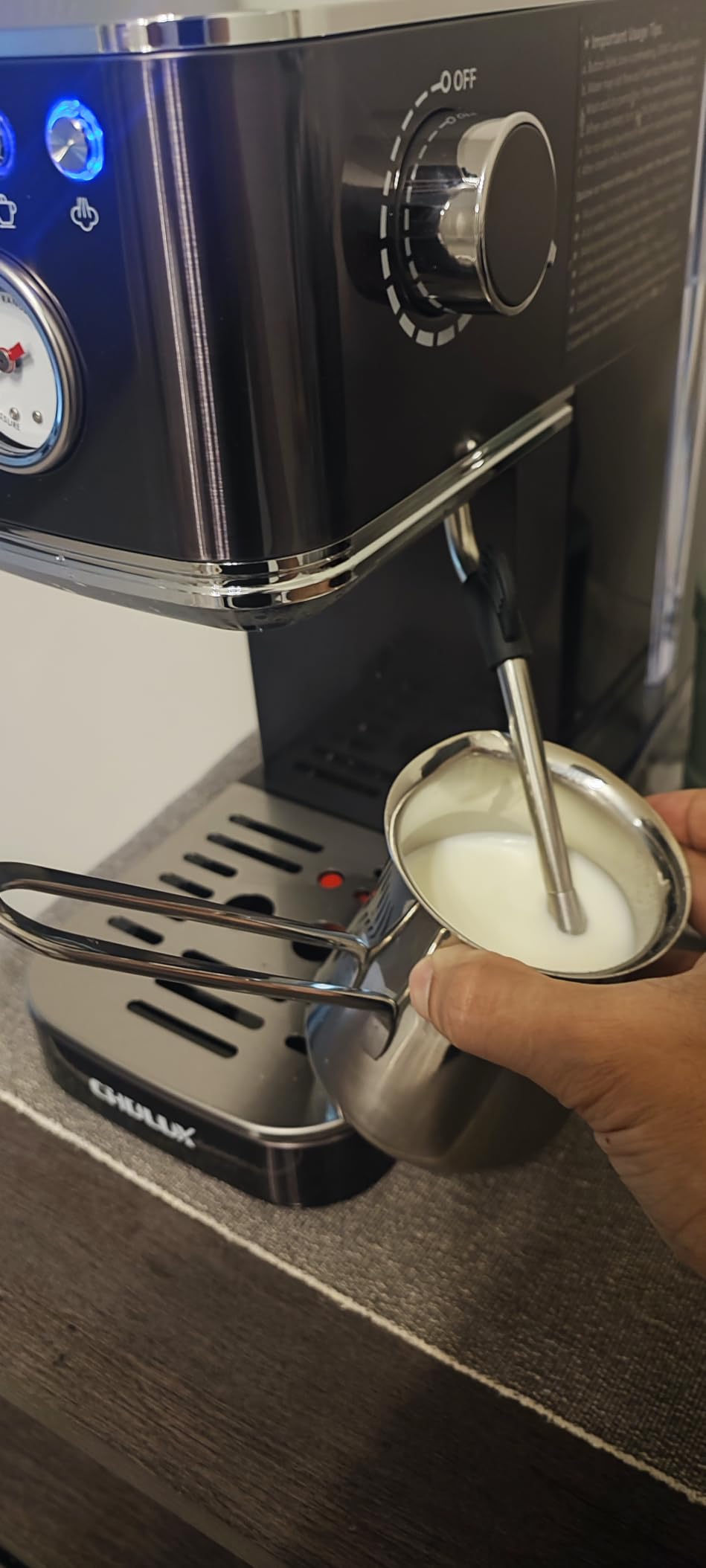
12. CHULUX Slim C5010 - Narrowest Body for Small Kitchens and Tight Counters
CHULUX Slim Espresso Machine with Milk Frother for Home Cappuccino, Creamy
20 bar pump with PID
5.5 inch wide body
40 oz tank
Pressure gauge
7.8 lb
+ Pros
- Narrow 5.5 inch body saves real counter space
- PID control and pre-infusion for even shots
- 30 second preheat keeps mornings quick
- Simple one button workflow for beginners
- Large 40 oz tank cuts refilling
- Cons
- Ground coffee only with no integrated grinder
- Microfilter baskets limit portion options
- Compact size means a small cup warming area
The CHULUX Slim answers a specific problem. If your counter space is measured in inches rather than feet, a 5.5 inch wide machine with a 40 oz tank and a 30 second preheat is a capable option rather than a compromise. It carries the highest average rating in this group, and the reason owners give is consistent output for its size.
It also has more going on than the narrow footprint suggests: a 20 bar pump, PID temperature control, pre-infusion, a real time pressure gauge, and a 25 minute inactivity shut off.
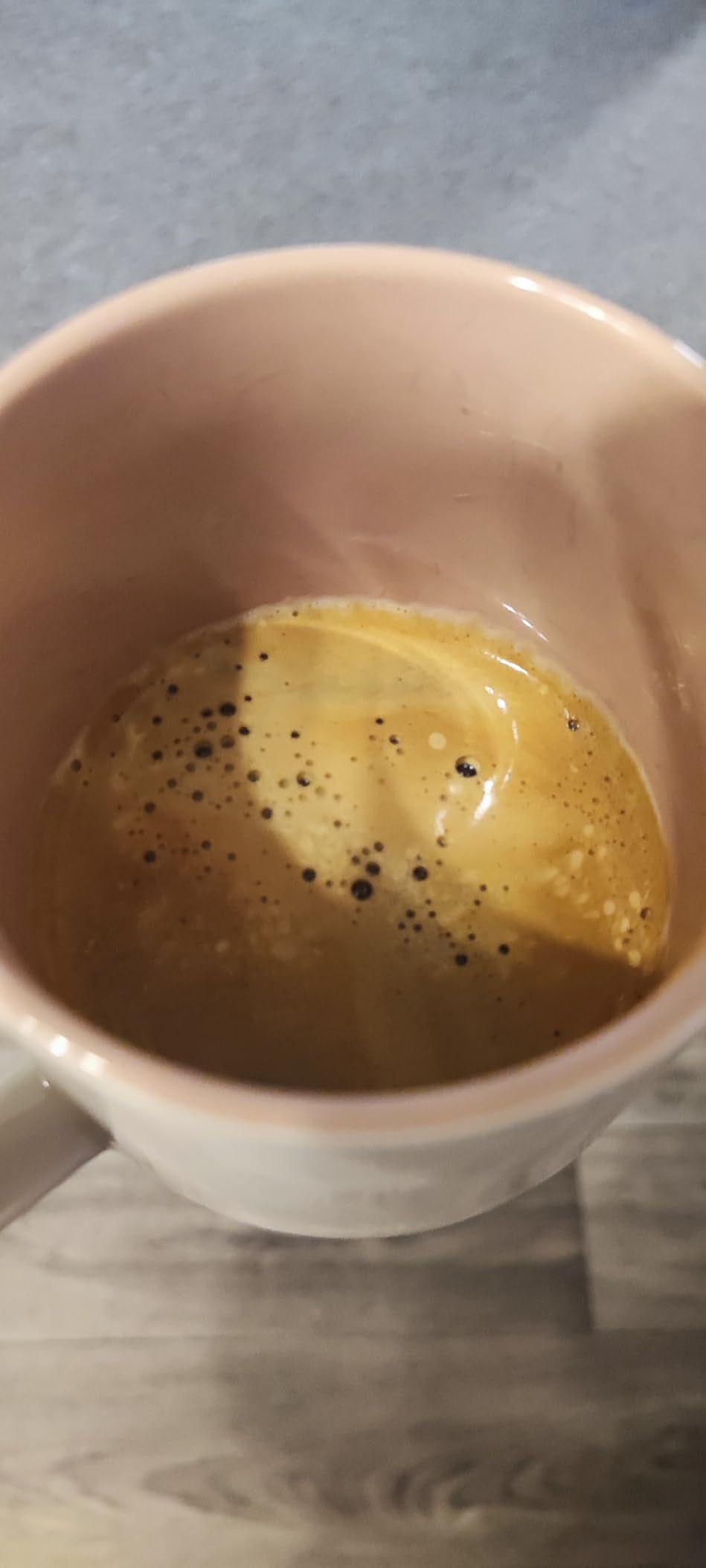
PID in a Machine This Small Is the Surprise
PID control is usually the first thing cut to hit a price point. Finding it here, alongside pre-infusion and a pressure gauge, explains why the ratings are high. The gauge also gives a beginner a way to read extraction rather than guessing.
The Trade-Off Is Portafilter, Not Power
The microfilter baskets limit portion options, and there is no integrated grinder, so grinding happens elsewhere. Those are real constraints, though not on the shot, which is why this machine still lands near the top of a list this size.
Who Should Buy It
Buy it for a galley kitchen, a dorm, or a small office counter where width is the binding constraint. If you have room for a wider machine and want a grinder included, the Breville Barista Express is the better long-term purchase.
How to Choose a Home Espresso Machine: The Specs That Actually Matter
Almost every spec on a product page is noise except a handful. These are the ones that change what lands in your cup, roughly in the order of how much they matter.
Boiler Type Decides How Many Milk Drinks You Can Make
A thermoblock or thermocoil heats water on demand, which is fast and compact but has little thermal mass. A single boiler holds a real volume of hot water but only one temperature, so brewing and steaming happen in sequence. A heat exchanger boiler stores a larger volume and recovers fast between shots. A dual boiler runs brewing and steam at separate temperatures simultaneously.
Match it to your household. One or two drinks a day, a thermoblock is fine. Three or more milk drinks before anyone leaves, you want a dual boiler or a fast thermocoil that recovers quickly. The Chefman Crema Deluxe and the Breville Barista Touch are the two picks here built for that volume.
PID Versus a Thermostat
PID holds a set temperature, which means shot number nine tastes like shot number one. A thermostat cycles, so your brew temperature depends on where in the cycle the water happens to be. NTC sits in between, using a sensor with a simpler loop. The Barista Express, Barista Pro, Barista Touch, and CHULUX Slim all use PID.
Portafilter Diameter Decides Your Aftermarket
58mm is the commercial standard, shared by cafe machines and by the Chefman here, so baskets, tampers, distributors, and bottomless portafilters are plentiful. 54mm is the smaller format used by the three Brevilles in this roundup. It still has an aftermarket, just a smaller one. If you enjoy modding, 58mm gives you more to work with.
Nine Bar Versus the 20 Bar Claim
Real espresso extracts at roughly nine bar. A 20 bar figure is a pump rating measured with an empty basket, and a 15 bar figure is the same kind of number. The Breville Barista Pro actually ramps pre-infusion to nine bar during extraction, which is the honest number. Ignore the marketing figure entirely.
Spend 40 Percent of Your Budget on a Grinder
This is the mistake buyers make most often, and it is the top complaint pattern from people whose shots taste bad. A mediocre machine with a good burr grinder beats an expensive machine with a blade grinder every time. The three Brevilles here and the Chefman include a grinder, which is why they justify a higher total spend.
De'Longhi Versus Breville Versus Philips
Breville machines are manual semi automatics with integrated grinders and a strong aftermarket, and they demand the most technique. De'Longhi spans both ends here, with the compact Classic Signature on one side and the bean to cup Magnifica Evo on the other, so you are choosing a workflow more than a brand. Philips makes super automatics, and the choice there is about convenience versus control. Our portable brewing guide covers the third category, the machines you take with you.
Maintenance and Realistic Lifespan
Budget for a weekly rinse of the group head, a backflush roughly monthly with the right detergent, and descaling on a schedule set by your water rather than the calendar. Philips machines with AquaClean stretch that interval the furthest. A solenoid three way valve is the part that most often fails on these machines, and it is serviceable on most, which is a good reason to favour a machine with published parts over a sealed one.
Frequently Asked Questions
What is the best espresso machine for home use?
The Breville Barista Express is the best espresso machine for most home kitchens in 2026 because it bundles a conical burr grinder with PID temperature control, so you can pull repeatable shots without buying a second appliance. If you have very little counter space, the CHULUX Slim offers a narrow body, and if you want zero technique required, the Philips 3200 Series handles everything hands-free.
Is De'Longhi or Breville better?
Breville is better if you want to learn manual espresso and want an integrated grinder, since the Barista series pairs a conical burr grinder with PID temperature control. De'Longhi is better if you want a compact machine for espresso only, or a bean-to-cup workflow that handles grinding and milk for you. On this list, the De'Longhi Classic Signature is narrow and fast, while the Magnifica Evo is fully automatic.
Are Gaggia espresso machines any good?
Gaggia is not in this roundup, so we have not tested one. Home espresso communities consistently describe the brand's single boiler machines as durable, serviceable, and popular with people who later add a PID controller, which is why they show up so often in modding conversations. Judge any Gaggia on boiler type, portafilter size, and parts availability rather than on the badge.
Do I need a separate grinder for an espresso machine?
You need a burr grinder, not a blade grinder, unless your machine includes one. A blade grinder produces inconsistent particle sizes, which causes uneven extraction and channeling no matter how good the machine is. The Breville Barista Express, Barista Pro, Barista Touch, and the Chefman Crema Deluxe all include a conical burr grinder, so no separate purchase is needed with those.
Is a 20 bar espresso machine better than a 9 bar one?
No. Real espresso extracts at roughly nine bar, and a 20 bar rating describes a pump tested without coffee in the basket rather than the pressure your shot experiences. The atatix, the CASABREWS, and the CHULUX Slim are all marked 20 bar, while the Breville Barista Pro ramps to nine bar during extraction, and all of them produce comparable results. Judge on boiler, temperature control, and grinder instead.
Final Verdict: Which Home Espresso Machine Should You Buy?
If you are buying your first real machine and do not own a grinder, the Breville Barista Express is the safest choice. It handles the grinder, holds temperature with PID, and gives you a manual wand to grow into. Our best espresso machines shortlist for 2026 starts there for a reason.
If your household drinks three or more milk drinks before anyone leaves, look at the Chefman Crema Deluxe. The dual boiler removes the temperature surfing problem and the 58mm portafilter gives you an aftermarket to grow into, though the internal components are not built to be serviced forever.
If nobody wants to learn a workflow, the Philips 3200 Series or the De'Longhi Magnifica Evo will make the drink and clean up after itself. Just accept that the espresso is less adjustable and the parts are more sealed.
If counter width is your binding constraint, the CHULUX Slim and the atatix EM3111 both fit under six inches wide, and the CASABREWS CM5418 is close behind at 5.47 inches. If your budget is the binding constraint, the CASABREWS or the Gevi ECMG0 give you a real pressure gauge and a manual wand, which is where the learning actually happens.
Whatever you choose, put a burr grinder in the plan, run a blank shot on thermoblock machines before your first real pull, and expect a few weeks of dial-in before the shots taste consistent. That patience is the actual difference between a machine that works and one you keep using.