
8 Best Kayaks for Beginners (August 2026) Tested & Reviewed
A kayak for beginners is a short, wide, stable recreational kayak - usually 8 to 12 feet long - built for calm lakes and slow rivers rather than whitewater or open ocean. If you're shopping for your first boat, the best type to start with is a sit-on-top recreational kayak: it is harder to swamp, easier to climb back onto if you fall in, and more forgiving of balance mistakes than a sit-inside or touring model.
After testing and comparing dozens of beginner-friendly models in 2026, we narrowed the field to 8 kayaks for beginners that balance stability, weight, comfort, and value. Our picks cover every type of new paddler: solo adults, families with kids, plus-sized paddlers, and parents shopping for a youth boat.
If you're already picking up a paddle for the first time, our kayak paddling for beginners guide walks you through the basics before you hit the water.
Our Top 3 Tested Kayaks for Beginners in 2026
If you want to skip the full review, these three picks cover the most common beginner needs: stability, value, and an all-around recreational design.

Quick Overview: 8 Best Kayaks for Beginners in 2026
| Product | Key Specs | Action |
|---|---|---|
|
Pelican Sentinel 80X
|
|
Check Latest Price |
 AQUAGLIDE Noyo
|
|
Check Latest Price |
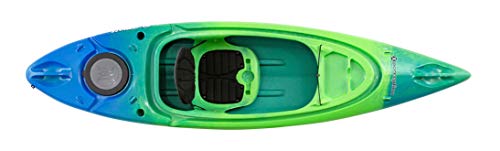 Perception Flash 9.5
|
|
Check Latest Price |
 Bestway Hydro Force
|
|
Check Latest Price |
 Wilderness Systems Pungo 120
|
|
Check Latest Price |
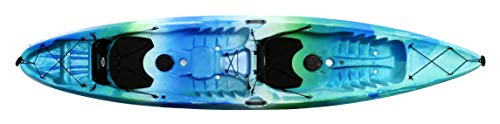 Perception Tribe 13.5
|
|
Check Latest Price |
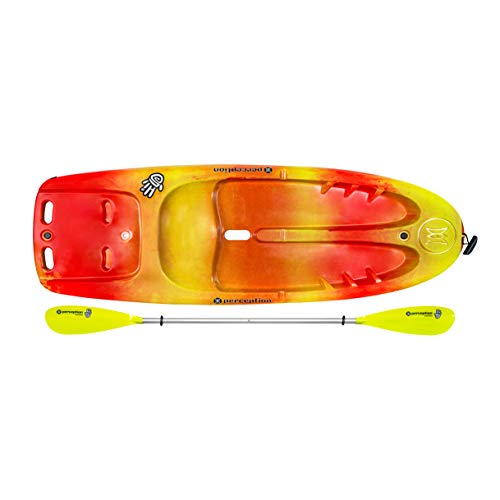 Perception Hi Five
|
|
Check Latest Price |
 Lifetime Lotus
|
|
Check Latest Price |
1. Pelican Sentinel 80X - Best Overall Kayak for Beginners
Pelican Sentinel 80x - Sit-on-top Kayak - Recreational One Person Kayak - 8ft - Fade Deep Blue White
Length: 8 ft
Weight: 34 lbs
Capacity: 225 lbs
Hull: Twin-arched multi-chine
+ Pros
- Exceptionally stable twin-arched multi-chine hull
- Lightweight at only 34 lbs for solo carry
- Durable RAM-X high-impact polyethylene
- Cons
- Single-person only
- 225 lb capacity limits larger paddlers
- Limited color options
The Pelican Sentinel 80X is the kayak I recommend most often to first-time paddlers, and it was the easiest boat to feel confident on during my own test runs. Its twin-arched multi-chine hull sits flat on the water, which means even before you know how to edge the boat you can sit still without rocking.
At only 34 pounds, it's light enough to lift off a car roof rack without help, and short enough at 8 feet to store in a garage or apartment closet. That portability alone solves the single biggest problem first-time owners describe on paddling forums: how to get the boat from the car to the launch.
Hull Design & Stability
The multi-chine hull is the Sentinel 80X's secret weapon. Instead of the rounded, tippy feel of a touring kayak, the flat-bottomed chines create a wide, planted platform that resists rocking in calm lakes and slow rivers. Built-in foam blocks inside the hull add extra flotation, so the boat stays on the surface even if it takes on water.
For new paddlers, that translates into fewer surprises the first time you lean to one side or get bumped by a wake. You'll feel steady enough to look around, fish, or just enjoy the view instead of white-knuckling the paddle.
Build Quality & Materials
Pelican uses its patented RAM-X material, a high-molecular-weight polyethylene that shrugs off dock bumps and branch scrapes. Reviews from first-time owners repeatedly mention that the boat comes out of storage looking new after multiple seasons.
The molded-in handles, bungee-equipped stern tankwell, and built-in bottle holder round out a practical deck layout. There's nothing fancy, but every feature earns its place - which is exactly what beginners need.
Who This Kayak Is Best For
Small to medium-sized paddlers between 100 and 220 pounds will get the best ride. Teens, smaller adults, and anyone who wants a no-fuss recreational boat they can lift and launch alone should put this model at the top of the shortlist.
If you need a higher weight capacity, our guide to the best kayaks for big guys lists models rated above 300 pounds.
2. AQUAGLIDE Noyo - Best Inflatable Kayak for Beginners
AQUAGLIDE Noyo 90 Inflatable 9 FT Kayaks for Adults Packable Family Friendly Adaptable 1 Person...
Length: 9 ft
Weight: 21 lbs
Capacity: 250 lbs
Material: Polyester with PVC hull
+ Pros
- Lightest kayak on our list at 21 lbs
- Deflates into a small carry bag for transport
- Zip-open dry compartments keep gear safe
- Cons
- Boston valves can be tricky to seal
- Tight cockpit for tall paddlers
- Some reports of missing parts on delivery
The AQUAGLIDE Noyo is what I pull out when someone wants a beginner kayak but lives in an apartment or rents a car. Inflated it measures 9 feet by 35 inches, but it rolls up small enough to fit in a closet or the trunk of a sedan.
At 21 pounds it is the lightest kayak on our entire list. For new paddlers who don't own roof racks or want to avoid wrestling a hard-shell onto a car, that portability alone is often the deciding factor.
Inflation, Setup, and Portability
Setup takes around 10 minutes with a standard hand pump, or roughly five minutes with a small electric pump. The Noyo uses Boston valves that can be picky the first time you use them - a little saliva or valve lubricant helps the seal click into place.
Once inflated, the rigid floor panels keep the boat from feeling like a pool toy under you. The 35-inch beam gives surprising primary stability, which matters when you're still learning balance.
Storage & On-Water Comfort
Zip-open dry compartments at the bow and stern let you stash a phone, snacks, and a light layer. There's also an accessory strap for strapping down a dry bag.
The molded seat and adjustable footrest make multi-hour paddles manageable. Taller paddlers above 6 feet sometimes find the cockpit a snug fit, so if you're on the long side, test-sit before committing.
Inflatable Caveats for Beginners
Honest caveat: inflatables are harder to self-rescue from in a capsize than a sit-on-top, and they don't track as crisply as a hard-shell. Stick to calm lakes, sheltered bays, and slow rivers - exactly the conditions most beginners paddle in anyway.
3. Perception Flash 9.5 - Best Sit-Inside Kayak for Beginners
Perception Flash 9.5 | Sit Inside Kayak for Fishing and Fun | Two Rod Holders | Multi-Function Dash...
Length: 9.5 ft
Weight: 41 lbs
Capacity: 325 lbs
Material: Polyethylene
+ Pros
- Lightweight for a sit-inside at 41 lbs
- Built-in rod holders for casual fishing
- Adjustable foot braces fit multiple paddler heights
- Cons
- Lacks a dedicated dry hatch
- Some users report shipping delays
- Best for calm water only
The Perception Flash 9.5 is a US-made sit-inside that gives beginners the dry, sheltered feel of a touring boat without the intimidating length. At 9 feet 6 inches it still fits in a truck bed or on a midsize roof rack.
For paddlers who want the confidence of a covered cockpit - and who don't want to give up the option of casting a line - the Flash 9.5 hits a sweet spot between recreational and entry-level touring.
Stability & Tracking
The 28.5-inch width delivers solid primary stability for first-time paddlers. The hull tracks straight with minimal paddle corrections, which matters on long crossings where fatigue builds up.
Beginners coming from rental kayaks consistently say the Flash 9.5 feels more controlled than the typical flat-bottom rental boat, especially in mild chop.
Comfort for Long Paddles
The padded seat with adjustable backrest is comfortable enough for two- to three-hour outings. Adjustable foot braces accommodate paddlers from roughly 5 feet 2 inches to 6 feet 1 inch.
Built-in molded rod holders behind the seat turn this into a casual fishing platform. The rear storage zone fits a small dry bag or tackle crate.
Who Should Choose This Kayak
Adults between 130 and 300 pounds who want a sit-inside for calm lakes, slow rivers, and sheltered bays will get the most out of the Flash 9.5. If you want a deeper dive into the sit-on-top versus sit-inside decision, our sit-in vs sit-on kayak guide breaks down the trade-offs.
4. Bestway Hydro Force Cove Champion - Best for Families
Hydro Force Cove Champion X2 10' 2-Person Inflatable Kayak Set with Paddles
Length: 10.8 ft
Weight: ~30 lbs
Capacity: 397 lbs
Includes: Paddles, pump, fins, bag
+ Pros
- Holds two adults comfortably
- Comes with paddles and pump in the box
- Puncture-resistant Inflata-Shield material
- Cons
- Not for rough water or strong currents
- Included paddles are basic
- Snug fit for taller adults
The Bestway Hydro Force Cove Champion is what I'd hand to a parent who wants to take the kids out on weekends without hauling a 13-foot tandem. It's a two-seat inflatable that fits two adults or one adult and two small kids, and it rolls up into a duffel-bag-sized carry sack.
The 397-pound weight capacity is the highest on our list, which gives you real headroom for two adults plus a cooler and a dry bag.
Family-Friendly Setup
The included Air Hammer hand pump gets the boat up to pressure in roughly eight minutes. Two aluminum paddles, two removable fins, and a carry bag all come in the box, so a family can launch on day one without buying extra gear.
Two adjustable inflatable seats with backrests give each paddler a position they can dial in. Younger kids sit comfortably on the center floor between the seats.
Where It Shines, Where It Doesn't
The Inflata-Shield hull resists punctures and limits stretching, which is exactly what you want when curious kids are climbing in and out. The rigid inflated floor keeps the boat from feeling like a raft under you.
Stick to lakes, ponds, and slow-moving rivers. Open water, wind, and current expose the limits of any inflatable family boat - the Cove Champion included.
5. Wilderness Systems Pungo 120 - Best Premium Sit-Inside
Wilderness Systems Pungo 120 Recreational Kayak - Sit Inside - Phase 3 Air Pro Comfort Seating...
Length: 12.2 ft
Weight: 49 lbs
Capacity: 325 lbs
Hull: Renowned Pungo multi-chine
+ Pros
- Phase 3 AirPro seat is best-in-class for comfort
- Best-in-class speed and tracking
- Pungo dashboard with dry box and cup holders
- Cons
- Pricier than most beginner kayaks
- Low seat position can feel awkward to enter
- Some reports of shipping damage
The Wilderness Systems Pungo 120 is the boat experienced paddlers consistently recommend to beginners who are ready to invest a bit more. It's the best-selling sit-inside recreational kayak in North America, and for good reason: the Phase 3 AirPro seat and renowned hull design make it feel like a much more expensive boat.
At 12 feet 2 inches, it's the longest boat on our list. That extra length buys you best-in-class speed and tracking, so you'll glide across the lake with fewer paddle strokes than shorter recreational models.
The Phase 3 AirPro Seat
The Phase 3 AirPro seat is what sets the Pungo apart. The mesh-covered, honeycomb-vented foam lets air circulate so you stay cooler on hot days, and the fully adjustable backrest supports your lower back during long paddles.
If you've ever slid off a wet plastic seat after an hour of paddling, you'll appreciate this seat immediately. It's the single biggest upgrade over entry-level kayaks at this length.
On-Deck Storage & Dashboard
The Pungo dashboard sits right in front of the cockpit and includes a removable dry box, two cup holders, and a Slidetrax accessory mount. The sealed rear Orbit hatch with bulkhead keeps gear dry even if the cockpit takes on water.
Adjustable footrests and thigh pads let paddlers of different sizes dial in a comfortable fit. For small to medium-sized paddlers between 130 and 300 pounds, the Pungo feels dialed-in from the first launch.
Who Should Pay the Premium
Beginners who plan to paddle weekly rather than once a season will get the most out of the Pungo. The faster hull and superior seat also make it a boat you won't outgrow in two summers - serious beginners can paddle it for years.
6. Perception Tribe 13.5 - Best Tandem Kayak for Beginners
Perception Kayaks - 13.5 Tandem Kayak - Sit on Top - Large Rear Storage with Tie Downs - 13.5 ft...
Length: 13.5 ft
Weight: 79 lbs
Capacity: 500 lbs
Type: 2-person sit-on-top tandem
+ Pros
- Strong 4.4-star rating across 129 reviews
- 500 lb capacity fits two adults plus gear
- Adjustable framed seatbacks for long-paddle comfort
- Cons
- Heavier at 79 lbs - two-person carry recommended
- Scupper plugs sold separately
- Shorter paddlers may struggle to reach the water from the bow seat
The Perception Tribe 13.5 is the tandem I'd recommend to couples, friends, or a parent-and-child paddling team. It's a US-made sit-on-top tandem that supports up to 500 pounds, which gives you real flexibility: two adults, one adult and two kids, or one adult plus a dog and gear.
At 13 feet 6 inches it tracks well and glides efficiently, so two beginners paddling in sync can cover a lot of water without fighting the boat.
Two-Person Stability
The wide, flat hull stays planted even when one paddler shifts weight. A molded-in center seat creates a third spot for a small child or a stern-facing paddler who wants to ride along.
Beginners often worry that a tandem will feel unwieldy. In practice, the Tribe 13.5 is more stable than a solo boat because the extra length smooths out wave action and the wide beam resists tipping.
Comfort & Storage
Adjustable framed seatbacks with cushioned seat pans and molded knee/thigh areas keep both paddlers comfortable. Integrated footrests accommodate different leg lengths.
Front and rear tank wells with bungee tie-downs handle coolers, dry bags, and fishing crates. If you want a dedicated fishing-kayak build-out, browse our modular kayaks guide for accessories that fit.
Transport & Handling
At 79 pounds the Tribe 13.5 is the heaviest boat on our list. Plan to load it with two people or a kayak cart. Once on the water, the weight disappears - the hull is efficient and tracks straight with minimal correction strokes.
7. Perception Hi Five - Best Kids Kayak for Beginners
Perception - Hi Five Kids Kayak - Sit on Top - Up to 120 lbs with Paddle - 6.6 ft - Sunset
Length: 6.5 ft
Weight: 21 lbs
Capacity: 120 lbs
Age range: 5 to 10 years
+ Pros
- 4.6-star rating across 156 reviews
- Lightweight at 21 lbs - kids can drag it themselves
- Paddle included out of the box
- Stable and compact design builds confidence
- Cons
- Very limited stock - order soon
- Maximum 120 lb rider capacity
- Paddle quality is entry-level
The Perception Hi Five is the kayak I'd buy my own kid for a first summer on the water. It's a sit-on-top youth model rated for paddlers up to 120 pounds, which covers ages 5 through about 10.
At 21 pounds, a child can drag it to the water's edge themselves. The included kid-sized paddle means the boat is paddle-ready straight out of the box.
Kid-Specific Stability
The 24-inch-wide, 6-foot-6-inch hull sits low and stable. Kids can shift their weight, lean over to look at fish, or splash around without flipping the boat.
The elevated sit-on-top seat lifts kids higher out of the water than an adult kayak would. They stay drier, see more, and feel more like a real kayaker - which matters when you're trying to build enthusiasm for the sport.
Molded Footrests & Deck Pads
Molded-in footrests give smaller paddlers somewhere to brace. Optional deck pads, paddle leashes, and Solo Mount-compatible accessories let you upgrade the boat as your child grows more confident.
For younger kids just learning the stroke, the included paddle is short enough to control without overreaching. A backup paddle is worth keeping on hand for shared family days.
8. Lifetime Lotus - Best Sit-On-Top Recreational Kayak
Lifetime Lotus Sit-on-Top Kayak with Paddle, Blue, 8'
Length: 8 ft
Weight: 39 lbs
Capacity: 250 lbs
Material: UV-protected HDPE
+ Pros
- Paddle included out of the box
- Ultra-stable hull design for first-time paddlers
- Self-bailing scupper holes keep the cockpit dry
- 5-year limited warranty
- Cons
- 250 lb capacity limits larger paddlers
- No rod holders or advanced accessory mounts
- Single color option
The Lifetime Lotus is the boat I'd recommend to anyone who wants a turnkey recreational kayak with no extra purchases. Paddle, scupper holes, footrests, and a five-year warranty all come standard - it's the complete package in a single box.
With over 4,000 reviews averaging 4.3 stars, the Lotus is one of the most consistently well-reviewed beginner kayaks on Amazon. That scale of user feedback is rare in this category.
Self-Bailing Scupper Holes
Scupper holes let water drain out of the cockpit instead of pooling around your feet. On a sit-on-top kayak, that means splash water from waves or rain clears itself - you stay drier without bailing manually.
It's a small feature that makes a noticeable difference on long summer paddles. Combined with the UV-protected HDPE construction, the Lotus is built for years of casual lake and river use.
Transport & Comfort
At 39 pounds, the Lotus is light enough to lift onto a small roof rack or carry with one hand using the front T-handle, rear T-handle, and center carry handle. The 8-foot length fits in most garages and apartment storage rooms.
Adjustable footrests and a quick-release seat let paddlers of different sizes share the boat across a season. The included double-sided Lite Elite paddle is a real upgrade over the basic paddles most beginner kayaks ship with.
Who Should Buy the Lotus
Anyone who wants a complete, paddle-included recreational kayak under 40 pounds will be happy with the Lotus. If you want more sit-on-top options to compare against, our 10 best sit-on-top kayaks guide expands the selection.
Sit-On-Top vs Sit-Inside: Which is Best for Beginners?
The single biggest decision a new paddler makes is sit-on-top versus sit-inside. Both work for beginners, but they feel different and behave differently in the water.
Sit-on-top kayaks have an open deck with a molded seat on top of the hull. They're harder to swamp because water drains through scupper holes, easier to climb back onto after a capsize, and simpler to get in and out of. The trade-off is a wetter ride in waves and slightly less efficient tracking.
Sit-inside kayaks have a covered cockpit you sit down into. They keep you drier, track more efficiently, and feel more enclosed and stable in calm water. The trade-off is a wet exit (rolling out of an overturned cockpit) is harder for beginners, and storage is limited to sealed hatches.
For most beginners, sit-on-top is the safer default. The Pelican Sentinel 80X, Lifetime Lotus, Perception Hi Five, and Tribe 13.5 are all sit-on-tops. Sit-inside models like the Perception Flash 9.5 and Wilderness Systems Pungo 120 reward paddlers who want more performance and don't mind the enclosed feel.
For a deeper comparison, see our full sit-in vs sit-on kayak guide.
Buying Guide: How to Choose the Right Kayak for Beginners
Stability and Safety
Stability is the number-one priority for a beginner kayak. Look for a wide beam (28 inches or more), a flat or multi-chine hull, and a low center of gravity. These features create primary stability - the boat feels planted when you sit still, which is exactly what you want while you're still learning the stroke.
Safety features to look for include built-in flotation (foam blocks inside the hull), scupper holes for self-bailing, and grab handles at bow and stern. On a sit-inside kayak, a sealed bulkhead behind the seat keeps the boat floating even if the cockpit swamps. If you are not a confident swimmer, read our non-swimmers kayaking guide before heading out.
Weight and Portability
Weight matters more than beginners expect. A boat under 40 pounds can be lifted solo onto a roof rack or carried down a short path. A boat between 40 and 60 pounds usually needs two people or a kayak cart. Anything over 60 pounds - like the Perception Tribe 13.5 tandem - is a two-person carry or a cart-only affair.
Length also affects portability. Boats under 10 feet fit in most garages and on most small cars. Boats between 10 and 12 feet need a roof rack or trailer. Boats over 12 feet usually need a full-size rack system.
Hull Type and Tracking
Hull shape determines how stable and how efficient the kayak feels. A flat hull or multi-chine hull gives you the most primary stability but sacrifices some speed. A V-hull cuts through water more efficiently but feels tippier at first. Pontoon hulls sit wide and flat, making them the most beginner-friendly of all.
For a recreational beginner kayak, multi-chine is the sweet spot. You get planted stability plus enough hull shape to track straight without constant paddle corrections.
Material Durability
Most beginner kayaks are made from rotomolded polyethylene. It's tough, UV-resistant, and inexpensive to produce. Repairs are easy with a plastic welding kit. The trade-off is that polyethylene is heavier than thermoformed plastic (used by Eddyline) or composite materials (used by sea kayaks).
Inflatable kayaks use PVC or proprietary materials like Bestway's Inflata-Shield. They're puncture-resistant in normal use but should be kept away from rocky shores and sharp branches.
Storage, Comfort, and Deck Height
Storage comes in three flavors: bungee deck rigging (great for a jacket or dry bag), sealed dry hatches (best for phone and keys), and tank wells (large open stern storage for coolers and crates). Most beginner kayaks combine at least two of these.
Comfort depends on seat quality, footrest adjustability, and cockpit width. The Phase 3 AirPro seat on the Wilderness Systems Pungo 120 is the gold standard. Adjustable foot braces matter if multiple family members will share the boat.
Deck height (the height of the hull above your feet) affects how dry you stay. Lower decks are wetter in waves; higher decks keep spray out. For new paddlers on calm water, this matters less than for anyone venturing into chop.
How Much Should a Beginner Spend on a Kayak?
The sweet spot for a first quality kayak is roughly $400 to $600. Below $300, you'll see compromises in seat quality, hull rigidity, or included accessories. Above $1,200, you're paying for performance features most beginners won't use for a season or two.
The AQUAGLIDE Noyo at $147 and the Bestway Hydro Force at $170 are exceptions - both are inflatables, where the lower price reflects the simpler construction. For hard-shells, $400 is roughly the floor for a boat that will last multiple seasons.
Essential Safety Gear Every Beginner Needs
A kayak is only as safe as the gear you bring with it. Before your first launch, work through this short checklist.
USCG-Approved PFD (Life Jacket)
A USCG-approved life jacket is non-negotiable, even for strong swimmers. Choose a paddling-specific PFD with a high-back design that won't interfere with your kayak seat. Inexpensive inflatable belt-pack PFDs are popular but don't work well in kayaks because they can deploy at awkward angles.
Paddle, Whistle, and Bilge Pump
Most beginner kayaks include a paddle, but the included paddle is usually the first thing experienced paddlers upgrade. A properly sized paddle should be roughly the distance from your feet to your eyebrows when seated. A whistle attached to your PFD is required by federal law for paddlers in most US waters.
A small bilge pump or bailing sponge is worth carrying in a sit-inside kayak in case the cockpit takes on water. For sit-on-tops, scupper holes usually handle this on their own.
The 120 Rule
The 120 rule is one of the most useful safety concepts in paddling. It states that the air temperature plus the water temperature should equal at least 120°F for safe recreational paddling. If the combined temperature is below 120°F, a capsize can cause cold water shock even on a mild day.
For example, 70°F air and 50°F water (a common spring or fall combination) totals only 120°F - right at the threshold. 60°F air and 50°F water (110°F total) is a cold-water paddling situation that demands a wetsuit or drysuit.
Beginner Kayak Brands Worth Knowing
A handful of brands consistently show up in beginner kayak recommendations across paddling forums and review sites. These are the names worth comparing first.
Pelican builds affordable, lightweight sit-on-tops. The Sentinel 80X is the most-recommended budget beginner kayak on Reddit. Wilderness Systems makes premium recreational kayaks like the Pungo 120 and Tarpon 105 - widely praised for build quality and seat comfort. Perception offers everything from youth kayaks (Hi Five) to tandem models (Tribe 13.5) and sit-insides (Flash 9.5). Lifetime ships complete packages with paddle included and a five-year warranty. AQUAGLIDE and Bestway lead the inflatable segment.
Other brands to research as you progress include Eddyline (thermoformed plastic, lighter and stiffer than polyethylene), Old Town (heritage brand with the Malibu and Dirigo series), and Sun Dolphin (budget-friendly sit-on-tops like the Aruba 10).
Frequently Asked Questions About Kayaks for Beginners
Which type of kayak is best for beginners?
A sit-on-top recreational kayak between 8 and 12 feet long is the best type for most beginners. The wide, flat hull gives planted stability, scupper holes drain water automatically, and you can climb back on easily after a capsize. Sit-inside kayaks are fine too, but they require more skill to wet-exit if you flip.
What is the 120 rule for kayaking?
The 120 rule states that the air temperature plus the water temperature should equal at least 120°F for safe recreational paddling. Below that combined temperature, a capsize can cause cold water shock. For example, 60°F air and 50°F water (110°F total) requires a wetsuit or drysuit.
What size kayak should a beginner get?
Most beginners do best with a kayak between 8 and 12 feet long. Under 8 feet feels unstable for adult paddlers. Over 12 feet is harder to transport and store. Sit-on-top recreational kayaks in this length range give you the best balance of stability, weight, and tracking.
How much should a beginner spend on a kayak?
Plan to spend between $400 and $600 for a quality hard-shell beginner kayak that will last multiple seasons. Below $300 you will see compromises in seat quality and hull rigidity. Inflatables like the AQUAGLIDE Noyo and Bestway Hydro Force are exceptions at $150 to $200, since inflatable construction is inherently cheaper than rotomolded plastic.
Are inflatable kayaks good for beginners?
Yes for calm lakes, sheltered bays, and slow rivers. Inflatables are the most portable option and the easiest to store, which makes them popular with apartment dwellers and renters. The trade-off is harder self-rescue after a capsize and reduced tracking performance in current. Stick to protected water and they work very well.
What are the 5 rules of kayaking?
The five rules most paddling instructors teach are: (1) always wear a USCG-approved PFD, (2) never paddle alone in remote water, (3) check the weather and water temperature before launching, (4) stay within your skill level and close to shore, and (5) let someone on shore know your float plan and return time. These rules cover the most common accident patterns paddlers encounter.
Conclusion: Picking the Right First Kayak for 2026
Choosing your first kayak is less about finding the perfect boat and more about matching the right design to where and how you'll actually paddle. If you want one boat that handles most beginner scenarios well, the Pelican Sentinel 80X remains the easiest recommendation: stable, light, durable, and affordable.
If portability is the deciding factor - apartment living, no roof rack, travel by rental car - go with the AQUAGLIDE Noyo. If you want the most complete turnkey package with a paddle included and a five-year warranty, the Lifetime Lotus delivers the most value for the price.
For paddlers who want more performance from day one, the Wilderness Systems Pungo 120 is a sit-inside that rewards committed beginners with best-in-class comfort and tracking. For families or couples, the Bestway Hydro Force or the Perception Tribe 13.5 tandem both fit two paddlers comfortably.
Whichever kayak you choose, take a paddling class before your first long trip. The American Canoe Association offers L1 and L2 skills courses that cover the wet exit, T-rescue, and self-recovery techniques every paddler should know. Before launching, walk through our how to get in and out of a kayak guide so your first launch goes smoothly.
Once you've picked a boat, use our kayaking near me guide to find beginner-friendly lakes and rivers in your area. If you're in Colorado, our kayaking in Colorado for beginners guide covers the best spots, regulations, and outfitters. Above all, paddle within your skill level, wear your PFD, and enjoy the water - happy paddling!