
5 Essential Gear Picks for Catching Bass in Ponds (October 2026) Kayak Angler's Guide
The first time I slid my kayak into a hidden farm pond at dawn, I had no idea it would completely change how I approach bass fishing. Within twenty minutes of quietly paddling to the dam corner, I watched a 6-pound largemouth explode on a frog lure just ten feet from my bow. That moment taught me something that took years to fully understand: catching bass in ponds requires a mindset shift from traditional lake fishing.
After spending over 15 years exploring ponds across Texas, Oklahoma, and beyond, I've discovered that pond bass behave differently than their lake-dwelling cousins. These fish live in a confined world where they know every stick, rock, and weed bed. They're simultaneously more predictable and more easily spooked. Getting catching bass in ponds right means adapting your entire approach—from gear selection to stealth techniques to seasonal strategies.
Whether you're new to kayak fishing or a seasoned lake angler looking to explore smaller waters, this guide covers everything you need to know. We'll dive into pond bass behavior, seasonal patterns, lure selection, and the critical stealth techniques that separate successful pond anglers from those who just exercise their casting arms. By the end, you'll have a complete playbook for targeting bass in everything from tiny stock tanks to sprawling 50-acre impoundments.
Why Pond Bass Fishing from Kayaks is Pure Gold?
Most anglers drive right past farm ponds on their way to crowded lakes, never realizing the incredible fishing opportunities they're missing. I've had 30-fish days on 3-acre ponds while friends on famous lakes struggle to find a single bite. Here's what makes pond bass fishing so special:
Minimal Competition: While bass boats are stacked three deep at popular lake ramps, most farm ponds see zero fishing pressure all year. Last fall, I fished five different ponds in a single morning and never saw another angler. That solitude translates directly to more aggressive fish.
Predictable Patterns: Pond bass are creatures of habit. Once you identify their patrol routes and feeding zones on a particular water body, you can return week after week with consistent results. My home pond has produced quality bass from the same fallen tree for four consecutive years.
Year-Round Consistency: Unlike large reservoirs that experience dramatic seasonal shutdowns, ponds maintain more stable water temperatures and oxygen levels. Even during the dog days of summer or dead of winter, pond bass continue feeding if you know where to find them.
Kayak Advantages: Your shallow-draft kayak opens access to areas that bass boats can't approach. Those overgrown creek arms, ankle-deep flats, and timber-choked corners where giants hide become your exclusive territory. Plus, the silent nature of kayak fishing is perfectly suited for easily spooked pond bass.
Understanding Pond Bass Behavior
Pond bass operate with a completely different mindset than lake fish. Understanding these behavioral differences is the foundation of consistent success. After thousands of hours studying pond bass, I've identified three critical behavioral patterns:
Extreme Territory Awareness: In a 5-acre pond, bass memorize every feature. They know exactly where that submerged log sits, which weed patch holds bluegill, and when the afternoon sun creates the best ambush shadows. This territorial knowledge makes them incredibly predictable once you crack their code.
Heightened Spook Response: With nowhere to escape, pond bass are hypersensitive to disturbances. I've watched fish bolt from a shoreline 100 yards away when a car door slammed. This is why stealth—something kayaks excel at—matters so much in pond fishing.
Opportunistic Feeding: Limited forage bases mean pond bass rarely pass up easy meals. They'll eat bluegill, frogs, crayfish, insects, and even mice that fall from overhanging branches. This opportunistic nature makes them surprisingly willing to try different lure presentations.
The biggest mistake I see from transitioning lake anglers is treating pond bass the same as lake fish. Power fishing techniques that work on sprawling reservoirs will empty a pond faster than you can paddle. Pond bass demand finesse, patience, and respect for their confined environment.
Essential Kayak Setup for Pond Bass Fishing
Your pond fishing setup needs to be different from your big lake rig. After testing dozens of combinations across hundreds of pond trips, here's what actually works for catching bass in ponds from a kayak:
The Perfect Pond Kayak
Kayak length matters more than most anglers realize. My best pond fishing results come from shorter kayaks in the 9-11 foot range that turn quickly in tight spaces. You need maneuverability over straight-line speed when working around downed trees, timber, and shallow coves. Longer touring kayaks simply can't navigate the confined spaces where pond bass hide.
Stability is non-negotiable. I learned this the hard way after dumping into 45-degree water trying to land a 5-pounder from a narrow 28-inch beam kayak. For pond bass fishing, look for kayaks with beams of 32 inches or wider. When a trophy bass goes ballistic next to your boat, you'll appreciate that extra stability.
If you're considering a dedicated pond fishing kayak, check out our guide to the compact kayaks for pond fishing that offer superior maneuverability in tight spaces.
Recommended Kayak for Pond Fishing

+ Pros
- Extremely portable at only 44 lbs
- Excellent stability for fishing
- Multiple rod holders included
- Affordable hardshell option
- Perfect for pond maneuverability
- Cons
- Paddle sold separately
- Center console can detach
- Not for rough waters
The Pelican Sentinel 100X has become my go-to recommendation for anglers getting into pond fishing. At just 44 pounds, it's light enough to toss in a truck bed and launch anywhere without a ramp. The 9'6" length turns on a dime, letting you work tight to timber and docks where big bass hide.
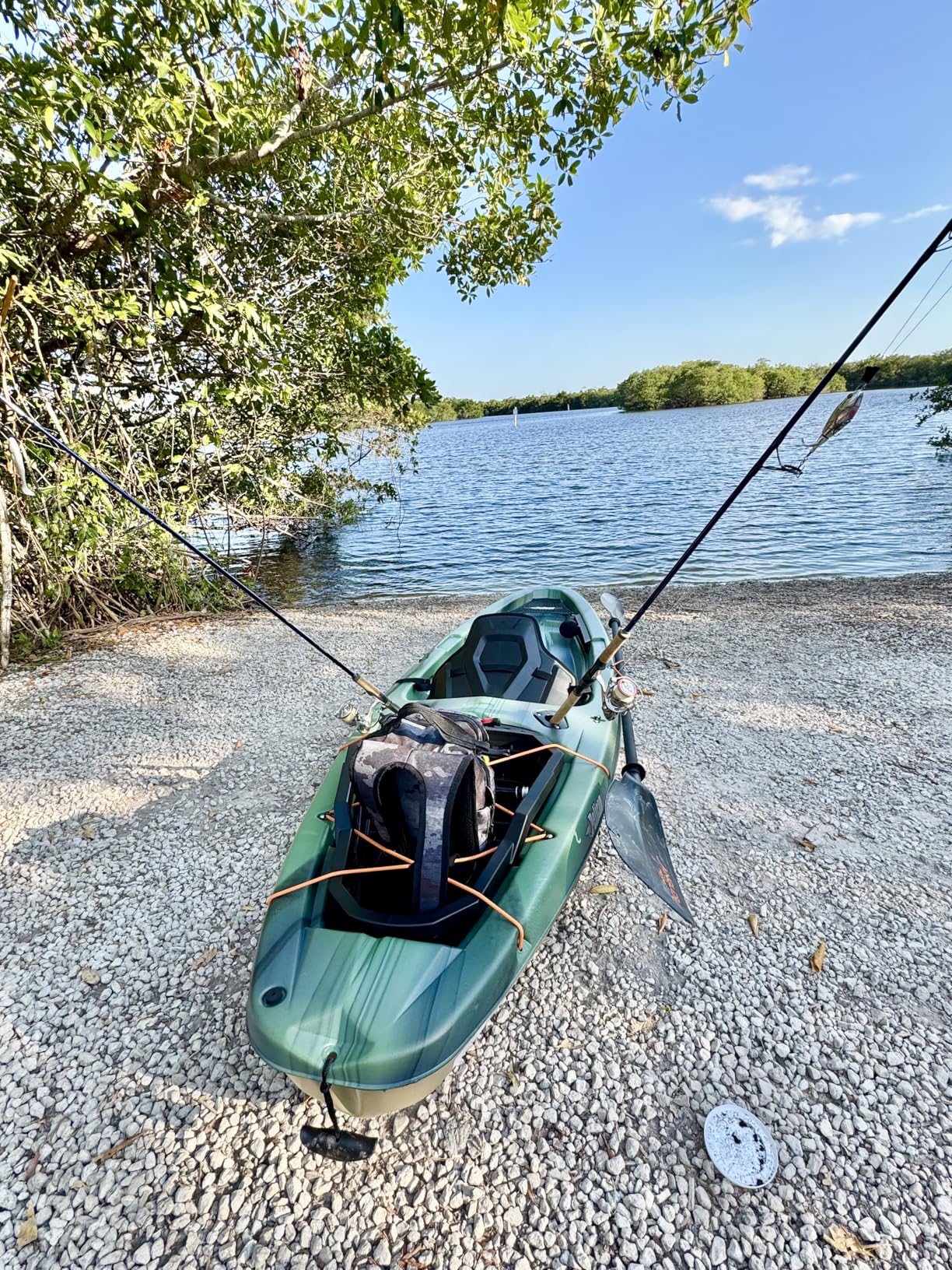
What sets this kayak apart for pond use is the ErgoLounge seating system. On long summer days when you're grinding out the midday bite, that extra cushioning makes a real difference. The four integrated rod holders let you run multiple setups—perhaps a topwater rod, a jig rod, and a finesse setup—all within easy reach.
The ExoPak removable storage compartment is another pond-specific advantage. You can load it up with tackle at home, carry it to the water's edge, and pop it right into the kayak. No more making multiple trips back to the truck for gear.
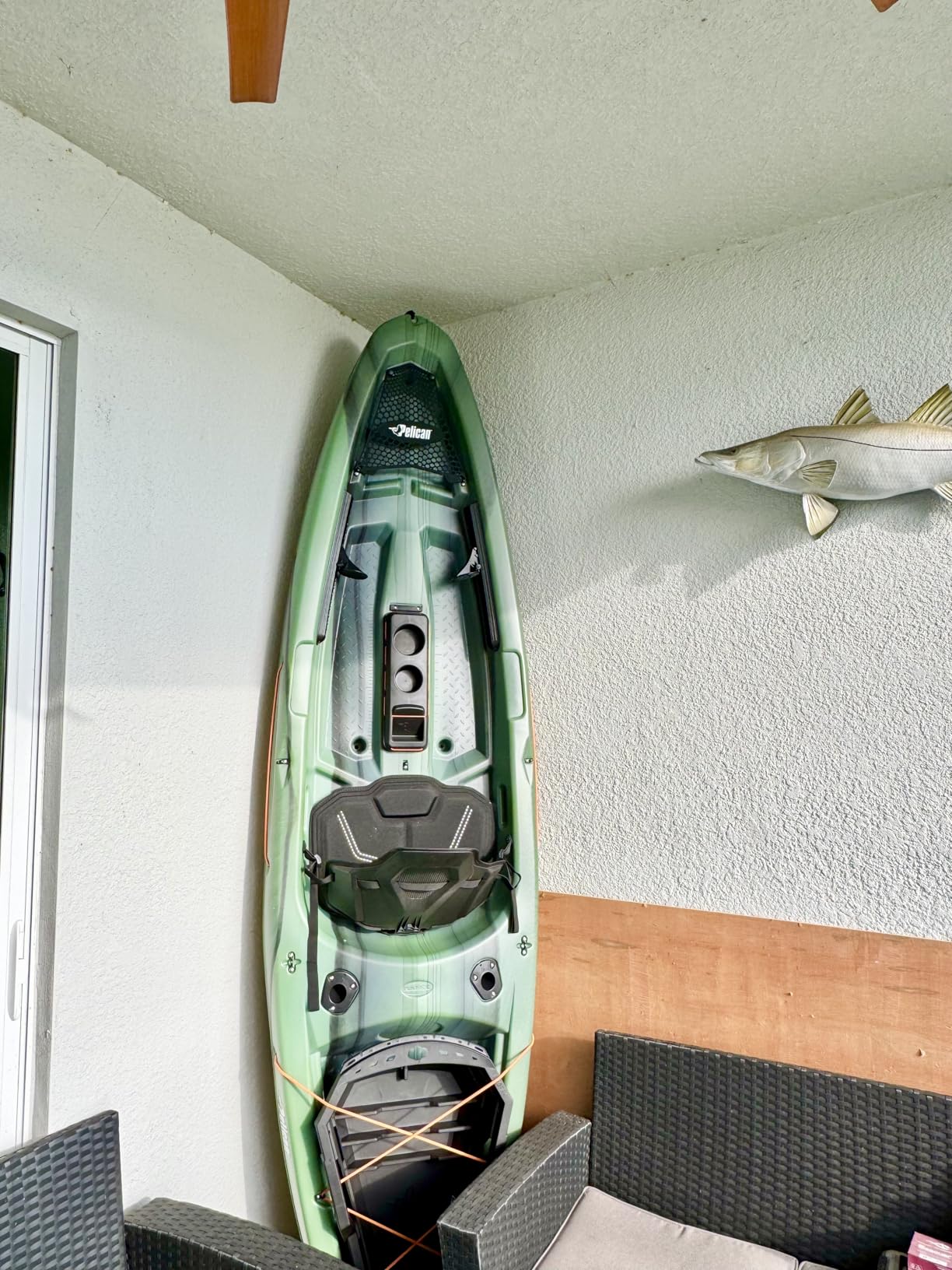
Is it perfect? No. You'll need to buy a paddle separately, and the center console occasionally detaches if not locked properly. But for pond fishing specifically, the combination of portability, stability, and fishing-focused features at this price point is hard to beat.
Must-Have Electronics
Don't skip the fish finder, even on shallow ponds. Electronics reveal structure you'd never identify from the surface. Last month, my unit showed a subtle 6-foot depression on what looked like uniform 4-foot bottom—and that tiny hole held three bass over 4 pounds.
Modern compact fish finders are perfect for kayaks. Look for units with down imaging to distinguish between timber, rock, and vegetation. GPS functionality lets you mark waypoints for productive spots you want to revisit.
Recommended Fish Finder for Kayak Pond Fishing

Garmin Striker Vivid 4cv Fishfinder with Transducer - 4-inch LCD Display - Easy-to-Use Scanning...
4-inch color display
CHIRP ClearVü sonar
GPS mapping
Quickdraw Contours
+ Pros
- Compact kayak-friendly size
- Bright color display readable in sun
- GPS for marking hotspots
- Energy efficient for all-day use
- Excellent sonar detail
- Cons
- No side imaging
- Requires external battery
- 4-inch screen is small
The Garmin Striker Vivid 4cv hits the sweet spot for kayak pond fishing. The 4-inch screen is compact enough not to overwhelm limited deck space, while still providing the resolution you need to identify fish and structure.
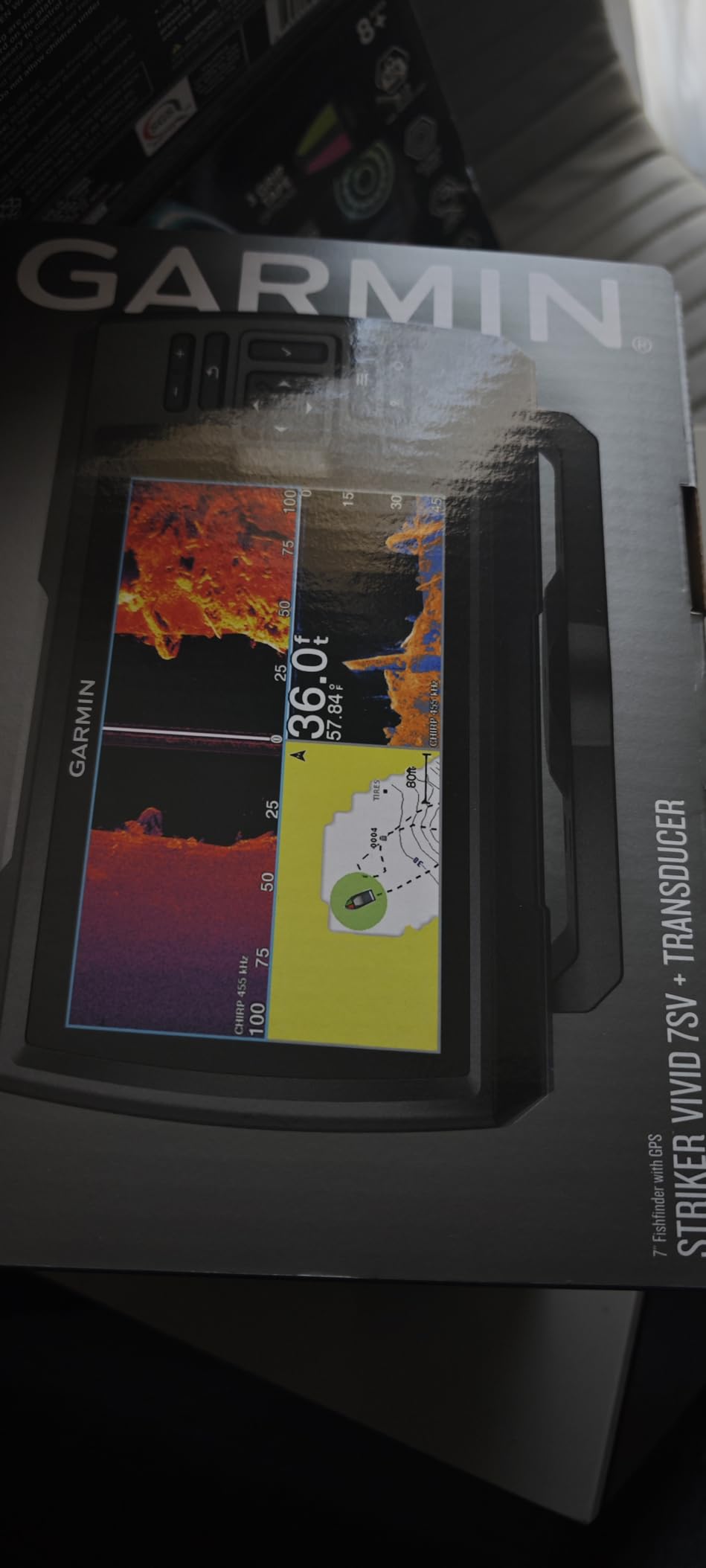
The Vivid scanning sonar color palettes make a real difference when trying to distinguish bass from structure or identify the thermocline in deeper ponds. In stained water, the traditional CHIRP sonar cuts through better than older generation units I've used.
For pond hopping, the GPS functionality is essential. I mark every productive spot—submerged timber, channel swings, productive grass edges—creating a personal map of each pond. When you return six months later, those waypoints put you right back on fish.
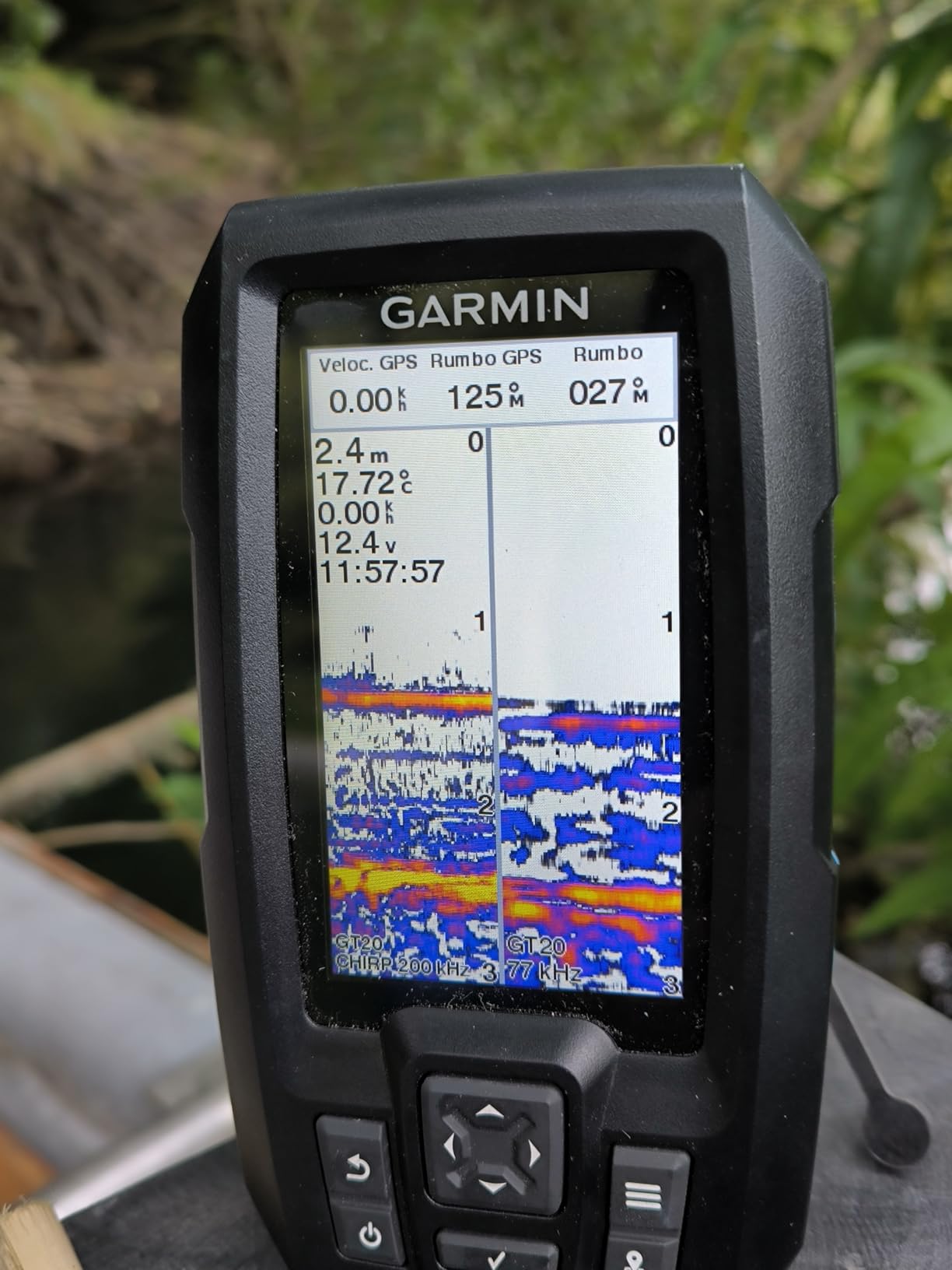
The unit runs all day on a small 12V battery, drawing minimal power. Installation on a kayak is straightforward with the included bailmount bracket. At under $200, it delivers professional-grade electronics without breaking the bank.
Rod Selection Strategy
I carry four rods on most pond trips, each serving a specific purpose:
7' Medium-Heavy Baitcaster: For flipping jigs into heavy cover and working Texas-rigged worms along structure. The extra backbone helps winch bass out of timber and thick vegetation.
6'6" Medium Spinning Rod: Perfect for finesse presentations like Ned rigs and drop shots. Light enough for all-day casting but with enough backbone for pond-sized bass.
7'2" Medium Baitcaster: My search bait rod for spinnerbaits, lipless cranks, and swim jigs. Handles both power and finesse depending on conditions.
6' Medium-Light Spinning Rod: The secret weapon for ultra-finesse situations when bass get lockjaw. Deadly with tiny jerkbaits and weightless stick baits.
Recommended Rod and Reel Combo for Bass

KastKing Centron Casting Combo, 7ft Medium Heavy- Right Handed, Black
7' Medium-Heavy
IM6 Graphite blank
7.1:1 gear ratio
15.4 lb drag
+ Pros
- Excellent value for money
- High-quality IM6 graphite blank
- Fast 7.1:1 retrieve ratio
- Smooth bearing system
- Great backbone for bass
- Cons
- Some durability concerns at tip
- Baitcaster learning curve
- Not ideal for very light lures
The KastKing Centron combo punches well above its price point. For pond bass fishing, you need a rod that can handle everything from pitching jigs into cover to working spinnerbaits along grass edges, and this setup delivers.
The IM6 graphite blank provides the sensitivity you need to feel subtle bites in cold water, while the medium-heavy power has enough backbone to horse bass out of timber. The 7.1:1 gear ratio lets you burn reaction baits or slow down for presentations as needed.
I've found the 10-magnet braking system actually works for reducing backlash once you dial it in. For anglers new to baitcasters, this combo offers an affordable entry point without the frustration of budget reels that constantly birdsnest.
The two-piece design is perfect for pond hopping—break it down, toss it in the truck, and you're ready to go. While it may not have the refinement of $300+ setups, it performs reliably where it counts: getting bass to the boat.
Recommended Lures Kit for Pond Bass
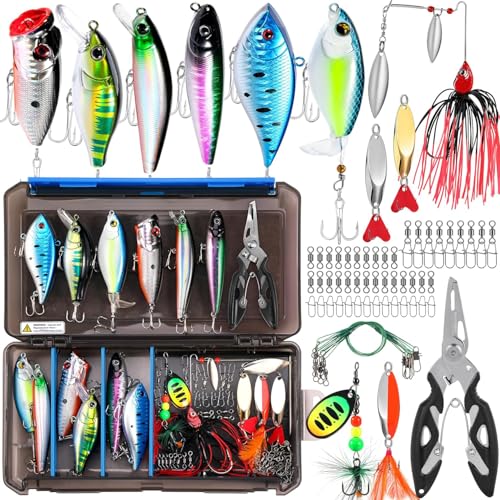
PLUSINNO Fishing Lures Tackle Box Gifts for Men, Bass, Trout Fishing Gear for Saltwater & Freshwater...
68-piece kit
Minnows, poppers, spinners
Fishing pliers included
Compact tackle box
+ Pros
- Excellent value with 68 pieces
- Covers multiple techniques
- Includes fishing pliers
- Compact for kayak storage
- Sharp hooks ready to fish
- Cons
- Some lower quality pieces
- Limited soft plastics
- Organization could improve
This PLUSINNO kit solves the "what lures do I need?" question for new pond anglers. With 68 pieces covering topwater, crankbaits, spinners, and soft plastics, you'll have options for every pond fishing scenario.
The included fishing pliers are actually decent quality—something many kits skip entirely. For kayak fishing where space is limited, having everything in one compact box keeps your deck organized and your lures accessible.
Are these premium lures? No. But for pond fishing where you're often dealing with aggressive fish that haven't seen much pressure, they absolutely work. I've caught plenty of bass on these baits, and the variety lets you experiment to find what's working on any given day.
The 3D eyes and realistic patterns are surprisingly good for the price point. If you're building a pond fishing arsenal from scratch or need a backup kit for your kayak, this set delivers serious value.
Reading Pond Structure Like a Pro
Every pond tells a story through its structure. Learning to read these underwater features separates anglers who consistently catch bass from those who just paddle around hoping for luck.
The Dam End (Always Start Here)
The dam is almost always the deepest part of a pond and the best starting point. It provides vertical structure, quick depth changes, and often the most consistent water temperatures throughout the year.
Position your kayak perpendicular to the dam face and work parallel casts along the wall. Bass stack up in the corners where the dam meets natural shoreline—these transition zones concentrate fish. I caught my personal best pond bass (8.2 pounds) from a dam corner where the spillway created a subtle current break.
Creek Channels (The Highway System)
Most ponds, even those that look uniform, have a main feeder creek channel running through them. Even if the creek is dry above water, that submerged channel creates a bass superhighway.
Use your fish finder to follow the channel bends and identify where it swings close to shoreline cover. I've had consistent success where the old creek channel runs within 10-15 feet of timber or grass edges. Bass use the deep water as a travel corridor and ambush prey from adjacent shallow cover.
Shallow Flats (Spring and Fall Gold)
Those boring-looking shallow areas become bass magnets during specific seasons. When water temperatures are right, bass move onto flats to feed aggressively. The key is identifying the sweet spot depth for each pond.
On my home pond, bass consistently feed in 3-4 feet of water during prime periods. Too shallow and they spook; too deep and they won't commit to chasing baits. Look for subtle depth changes—even a 6-inch drop can concentrate fish on an otherwise flat bottom.
Cover Types That Hold Fish
Standing Timber: Submerged trees with intact branches provide the ultimate bass habitat. Work every angle with different lure presentations. Bass often hold at specific depths on timber—sometimes halfway down, sometimes at the base.
Fallen Trees: The classic pond structure. Focus on the root ball end and the first major branch junction. Most anglers only fish the outside edges and miss bass tucked deep inside the branches.
Vegetation Edges: Where grass or weeds meet open water creates natural ambush zones. Don't just fish the obvious outside edges—look for inside pockets and lanes where bass hunt.
Rock and Riprap: If your pond has any rock structure, fish it thoroughly. Even a small rock pile in an otherwise featureless pond will hold fish year-round due to the habitat complexity and crayfish presence.
Seasonal Pond Bass Strategies
Pond bass follow predictable seasonal patterns, but because they're confined to smaller areas than lake fish, these patterns are more compressed and intense. Here's how I adjust my catching bass in ponds approach throughout the year:
Spring: Spawn Mode (March-May)
Spring transforms pond bass into aggressive, shallow-focused predators. When water temperatures hit 62-65°F, bass begin moving to spawning areas and become highly catchable.
Where They Are: Look for hard-bottom areas in 2-4 feet of water with nearby cover. South-facing shorelines warm first and see the earliest spawning activity. I've found beds on dam faces, in shallow coves, and around fallen trees in 3 feet of water.
Best Spring Lures: Weightless stick baits in watermelon or green pumpkin work magic on pre-spawn and bedding bass. Small swim jigs in bluegill patterns trigger aggressive strikes from territorial males. Texas-rigged creature baits pitched to beds draw violent reaction strikes.
Kayak Positioning: Stay back! Bedding bass are actually easier to catch from distance. I position my kayak 30-40 feet away and make long, accurate casts. Moving too close shuts down the bite immediately as bass feel pressured in their confined environment.
Summer: Go Deep and Go Early (June-August)
Summer separates dedicated anglers from casual weekenders. When surface temperatures hit 80°F+, bass behavior changes dramatically. They become crepuscular—most active during dawn and dusk—and seek deeper, cooler water during midday.
Dawn and Dusk Magic: The 90 minutes around sunrise and sunset produce the best action. Surface activity can be explosive during these windows. I plan every summer pond trip around these periods, often fishing from 5:30 AM to 8:00 AM and calling it a successful day.
Topwater Excellence: Summer mornings on ponds are when topwater dreams come true. I've had 20-fish mornings throwing nothing but frogs and buzzbaits. The key is working them slowly and letting each ripple completely die before the next twitch.
Deep Water Tactics: During midday heat, focus on the deepest available structure. Even in 15-foot ponds, bass will stack up in the deepest holes. Drop shots, Ned rigs, and deep-diving crankbaits become your best options when surface activity dies.
Fall: Feeding Frenzy Time (September-November)
Fall is my absolute favorite season for catching bass in ponds. Cooling water temperatures trigger a feeding response that produces some of the best fishing of the year. Bass know winter's coming and feed aggressively to build energy reserves.
Baitfish Movement: Cooling water activates shad and bluegill schools, and bass follow aggressively. Look for surface disturbances—diving birds, jumping baitfish, or ripples that don't match wind patterns. Where you find bait, you'll find bass.
Transition Zone Focus: Bass move between summer deep water and shallow feeding areas. The transition zones between deep and shallow become prime targets. Points, channel swings, and the first depth break near shallow flats all hold fish.
Fall Lure Arsenal: Lipless crankbaits in shad patterns absolutely destroy fall bass. Spinnerbaits worked fast over shallow flats trigger reaction strikes. Suspending jerkbaits with long pauses drive bass crazy during cold front conditions.
Winter: Slow Down and Go Deep (December-February)
Winter pond fishing requires patience and precision. Bass metabolism slows dramatically, and they concentrate in the deepest available water. But they still feed—you just have to bring the bait directly to them with agonizingly slow presentations.
Location Focus: Find the deepest structure and work it thoroughly. In a 20-foot pond, bass might hold at 15 feet. In a 12-foot pond, they'll be in the deepest 10-foot holes. Bass won't chase baits far in cold water, so precise casting matters more than lure selection.
Cold Water Lures: Football head jigs with twin tail trailers worked slowly along bottom produce consistent bites. Blade baits and jigging spoons worked vertically in deep pockets catch suspended fish. Ned rigs with 1/10 oz heads are deadly for bottom-oriented bass.
Even in harsh winter conditions, proper gear and kayak transport systems allow you to access ponds when boat ramps are frozen or inaccessible.
Lure Selection Secrets for Pond Bass
After testing hundreds of lures in pond situations, certain baits consistently outperform others. The key is downsizing compared to lake fishing—pond bass often prefer smaller presentations.
The "Never Fail Five" Lures
1. Weightless Stick Baits (Senko-style): The most versatile pond lure ever created. I've caught bass on stick worms in every season and condition. The key is color selection—natural colors (watermelon, green pumpkin) for clear water, darker colors (black/blue) for stained water.
Rigging: Wacky rig with a #1 octopus hook for shallow presentations. Texas rig with 1/8 oz weight for deeper water or windy conditions. Cast to structure and let it fall naturally—most strikes occur on the initial drop.
2. Hollow Body Frogs: Nothing beats a frog for summer pond fishing around vegetation. Bass absolutely hammer frogs worked through lily pads, cattails, and grass mats. Use natural green/brown in clear water, black in stained water or low light.
The frog technique requires patience—work it slowly with occasional twitches. When a bass hits, wait a full three-count before setting the hook. They need time to get the frog fully in their mouth.
3. 1/4 oz Swim Jigs: The search bait extraordinaire. Swim jigs let you cover water quickly while still triggering reaction strikes from bass holding on cover. Match trailer size to jig head—smaller is usually better in ponds.
4. Spinnerbaits (3/8 oz): Perfect for stained water or windy conditions when bass rely more on vibration than sight. Willow leaf blades for clear water, Colorado blades for stained water. The flash and thump pull bass from surprising distances.
5. Ned Rigs: The ultimate finesse presentation for pressured pond bass. A small mushroom head jig with a 3-inch stick bait in green pumpkin catches fish when nothing else works. Work it painfully slow along bottom with tiny hops.
Seasonal Lure Rotation
Spring: Stick baits, swim jigs, soft plastic craws
Summer: Frogs, buzzbaits, deep cranks, drop shots
Fall: Lipless cranks, spinnerbaits, jerkbaits
Winter: Jigs, blade baits, Ned rigs
Kayak Positioning and Stealth Techniques
Your approach matters more in ponds than anywhere else. Confined fish see every mistake, and spooking one bass often alerts an entire area. Here's how to stay invisible:
The Silent Approach
Paddle Technique: Smooth, quiet strokes with no blade slapping. I use a low-angle forward stroke that barely disturbs the surface. Practice the "silent entry"—placing your paddle in the water before applying power.
Launch Strategy: Launch away from fishing areas when possible. If you must launch near good water, idle out slowly before starting to fish. That first 50 yards from your launch point shouldn't see a single cast.
Wind Usage: Use wind to mask your approach. Position upwind and drift into fishing zones with minimal paddle correction. The sound of wind on water covers small paddle noises.
Strategic Positioning
Parallel Presentations: Most pond bass hold tight to structure. Position your kayak to cast parallel to shorelines, timber, and weed edges rather than casting perpendicular at them. This keeps your bait in the strike zone longer.
Distance Management: Stay farther back than you think necessary. I catch more bass from 40-50 feet away than close to structure. Long casts keep you out of the "spook zone" while keeping your lure in productive water.
Route Planning: Always position yourself so you can move to the next spot without crossing productive water. Plan your entire pond circuit before making your first cast.
Tackle and Equipment Recommendations
Beyond the core kayak, electronics, and rods covered earlier, several pieces of equipment make pond bass fishing more effective and enjoyable.
Essential Terminal Tackle
Hooks: Wide gap worm hooks in #1/0 and #2/0 for most applications, octopus hooks in #1 and #1/0 for finesse presentations. Stick with quality brands—cheap hooks cost you fish.
Weights: Bullet weights in 1/8, 1/4, and 3/8 oz cover most pond situations. Split shot assortment for finesse adjustments. Keep weights organized and easily accessible.
Line: 12-15 lb fluorocarbon for baitcasting setups, 8-10 lb for spinning rods. Fluorocarbon's near-invisibility and abrasion resistance make it worth the extra cost for clear-water ponds.
Recommended Safety Equipment
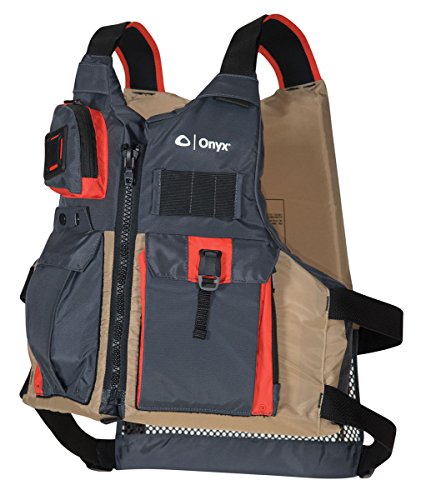
Onyx Kayak Fishing Life Jacket – USCGA PFD/Life Jacket with Multiple Pockets, High-Back Design...
US Coast Guard approved
High-back kayak design
Multiple pockets
30-52
+ Pros
- USCG approved safety
- High-back clears kayak seats
- Multiple gear pockets
- Fleece-lined hand warmers
- Breathable mesh construction
- Cons
- Not Canadian approved
- Universal fit can be bulky
- Single zipper closure
A proper PFD isn't optional—it's essential. The Onyx Kayak Fishing Life Jacket is specifically designed for kayak anglers, and that design makes a real difference during long pond fishing sessions.
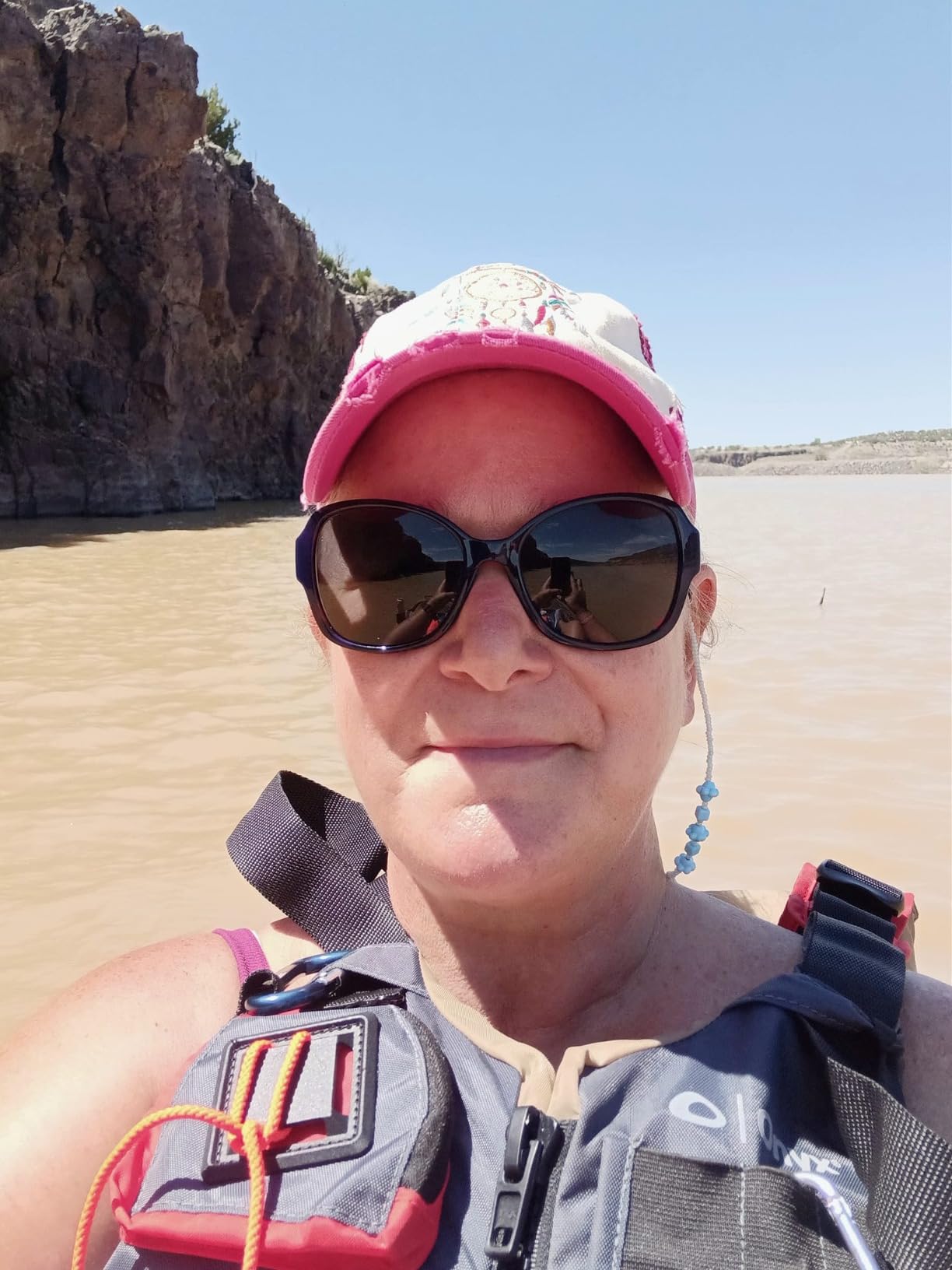
The high-back design is the standout feature. Unlike standard life jackets that bunch up against kayak seat backs, this one stays comfortable all day. The multiple pockets keep essential gear accessible without cluttering your deck.
For cold-weather pond fishing, the fleece-lined hand warmer pockets are game-changers. When your fingers go numb from handling cold lures and wet line, those pockets restore dexterity quickly.
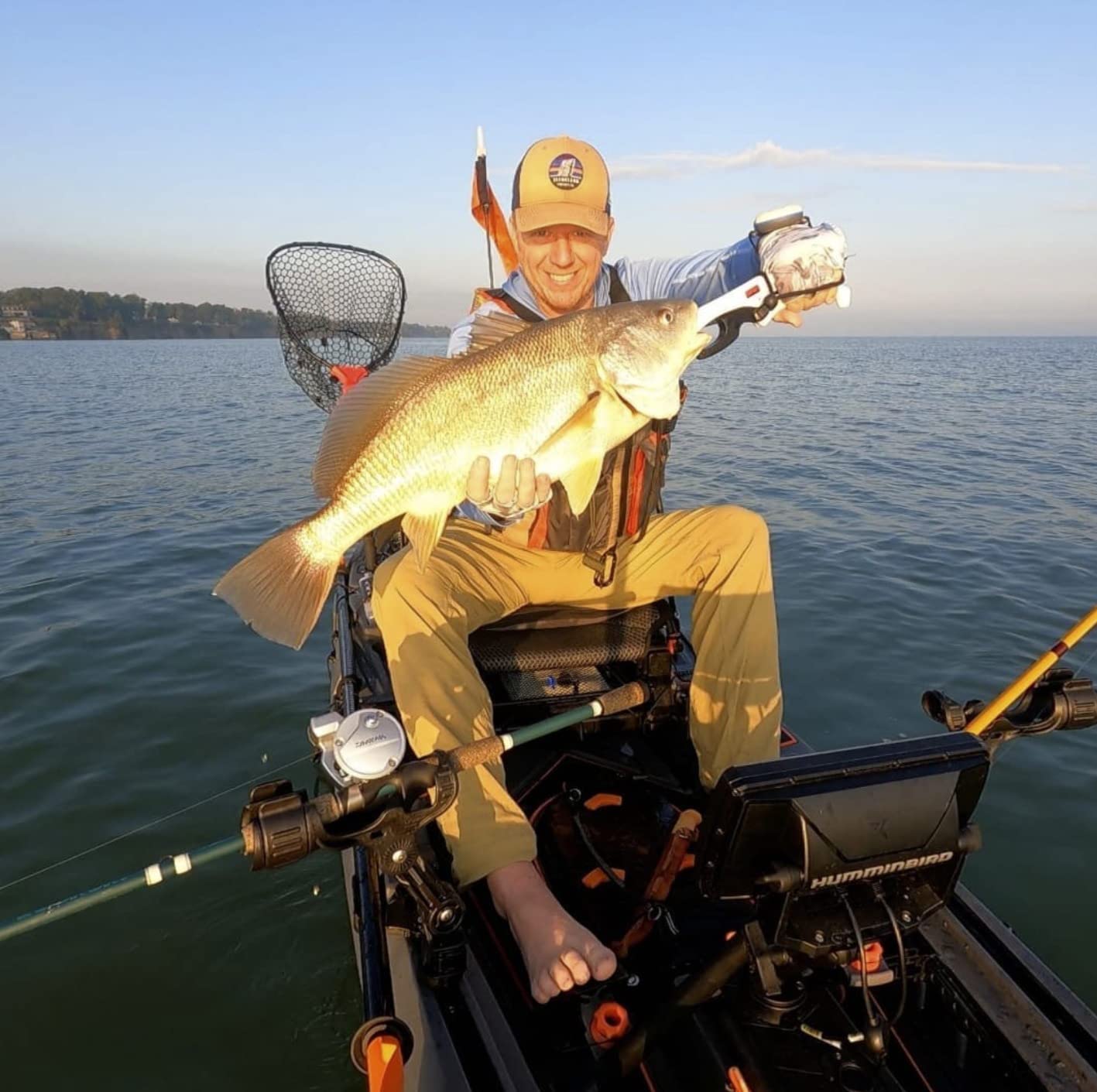
The breathable mesh construction prevents the overheating that makes some anglers ditch their PFD. If you're comfortable, you'll keep it on—and that could save your life if you dump in cold water far from shore.
Lure Storage System
Organization is crucial in a kayak's limited space. I use a three-level system: the top tray holds currently producing lures and terminal tackle, the middle tray contains seasonal backups, and the bottom section stores bulk soft plastics and tools.
Proper kayak storage solutions keep tackle organized and accessible during fast-paced pond fishing when you need to make quick lure changes.
Safety Considerations for Pond Fishing
Pond fishing feels safer than big water, but unique hazards exist that require preparation:
Water Quality Awareness
Algae Blooms: Late summer blue-green algae can produce toxins dangerous to humans and pets. If water has a paint-like sheen, strong odor, or visible scum, find another pond.
Agricultural Runoff: Farm ponds may contain fertilizers or pesticides from surrounding land. Avoid drinking the water and wash hands after handling fish.
Stagnant Water: Poor circulation can create anaerobic conditions with low oxygen. Look for signs of healthy aquatic life—turtles, frogs, visible baitfish—before committing to a pond.
Physical Hazards
Submerged Obstacles: Ponds often contain hidden fence posts, old equipment, or construction debris from their creation. Move slowly in unfamiliar water, especially near dam areas.
Unstable Banks: Cattle ponds may have undercut banks that collapse under weight. Test shoreline stability before stepping out of your kayak.
Property Boundaries: Verify fishing permission and stay within allowed areas. Many ponds cross property lines, and accidentally trespassing damages relationships with landowners.
Weather Considerations
Rapid Weather Changes: Small ponds heat and cool quickly, creating localized weather effects. Monitor conditions and have an exit plan for storms.
Wind Funneling: Ponds in valleys can experience sudden wind gusts that seem to come from nowhere. Practice kayak stability techniques before you need them in an emergency.
Even experienced anglers should review basic kayak safety principles before targeting remote pond locations where help might be far away.
Finding and Accessing Ponds
Finding productive ponds is often harder than catching the bass that live in them. After years of building a network of fishing spots across multiple states, I've developed a systematic approach that consistently turns up new waters.
Digital Scouting with Google Earth
Google Earth is the most powerful tool for finding new ponds that nobody talks about. Start by examining rural areas within driving distance of your home. Look for telltale blue spots—the distinctive color of standing water on satellite imagery.
Focus your search on agricultural areas, particularly cattle operations and horse farms. These properties almost always have ponds for livestock water. Zoom in to assess pond size, surrounding cover, and potential access points. A pond with timber around half its perimeter and a visible dam is usually worth investigating.
Switch between historical imagery dates to see how ponds change seasonally. Winter imagery often shows pond structure more clearly when trees are bare. Summer images reveal vegetation patterns and water levels during dry periods.
Use the ruler tool to estimate pond size. I target waters between 2 and 20 acres—large enough to hold quality bass, small enough to fish thoroughly in a few hours. Mark promising locations and save them to a custom map for field verification.
Public Pond Resources
State Parks: Many state parks maintain ponds specifically for public fishing. These receive regular stocking and management, making them reliable options even when they're fished heavily.
Municipal Parks: City and county parks often have fishing ponds with dedicated access points. Check local regulations regarding kayak use—some allow boats while others are shore-only.
Wildlife Management Areas: State and federal WMAs frequently include pond fishing opportunities with public access. These can be excellent for kayak anglers since they often restrict motorized boats.
Golf Courses: Some courses allow fishing outside playing hours, particularly on maintenance days. Always ask at the pro shop and follow their specific rules.
Private Pond Access
Building Landowner Relationships: The key to private pond access is offering value beyond just "can I fish?" Offer to help with pond maintenance, remove trash, or control vegetation. Become an asset rather than a request.
Personal Networks: Many people have pond access through family or friends but don't fish. Let everyone in your circle know you're looking for pond fishing opportunities—you'd be surprised how many connections emerge.
Agricultural Contacts: Feed stores, farm supply businesses, and agricultural extension offices often know landowners with ponds who might welcome respectful anglers. These relationships take time to build but pay dividends for years.
Looking for more regional fishing advice? Check out our Texas kayak fishing spots guide for specific pond recommendations in the Lone Star State.
The 90/10 Rule for Pond Fishing Efficiency
The 90/10 rule states that 90% of the bass are in 10% of the water at any given time. This principle is especially true in ponds due to their limited size and the concentrated nature of prime habitat.
Your job as an angler is identifying that productive 10% quickly. On a new pond, I spend the first 20 minutes just observing before making a cast. Look for baitfish activity, surface disturbances, and the intersection of multiple structure types.
Once you find that productive zone, milk it thoroughly. Work every angle with multiple lure types before moving. I'd rather catch ten bass from one productive spot than run around searching for scattered fish.
Pond Bass Management and Ethics
Responsible fishing ensures pond quality for future generations and maintains positive landowner relationships.
Catch and Release Best Practices
Proper Handling: Wet your hands before touching fish to protect their slime coat. Support the fish's weight horizontally rather than hanging vertically from the jaw. Limit air exposure to 10-15 seconds maximum for photos.
Release Tools: Carry dehooking pliers and cut lines when necessary rather than fighting deep hooks. Barbless hooks make release easier, though they're not always practical for all techniques.
Population Management
Selective Harvest: On overpopulated ponds, removing bass under 12 inches can improve the overall fishery by reducing competition for forage. However, always check with the landowner first—some prefer strict catch-and-release.
Forage Protection: Never harvest bluegill or other forage species from bass ponds. These fish are the foundation of the food chain, and removing them hurts bass growth rates.
Environmental Stewardship
Leave No Trace: Pack out everything you bring in, including line clippings and soft plastic remnants. Don't litter shorelines with empty bait packages or broken lures.
Invasive Species Prevention: Clean your kayak, gear, and trailer between pond visits. Invasive plants and animals spread quickly between waters and can destroy a pond's ecosystem.
Supporting sustainable fishing practices ensures our favorite ponds remain productive for years to come.
Common Mistakes and How to Avoid Them
After guiding dozens of pond fishing trips, I see the same mistakes repeatedly:
Mistake #1: Moving Too Fast
The Problem: Rushing from spot to spot without thoroughly working each area. The Solution: Fish each promising location for at least 15-20 minutes with different lures before moving. Pond bass often require multiple presentations to trigger strikes.
Mistake #2: Making Too Much Noise
The Problem: Paddle slapping, tackle box rattling, and loud conversations spook fish across the entire pond. The Solution: Practice quiet paddling techniques and organize gear to minimize accidental noise. Fish when the wind covers your movements.
Mistake #3: Wrong Lure Size
The Problem: Using big lake lures in small pond environments. The Solution: Downsize everything by 25-50% compared to big water selections. Pond bass often prefer smaller presentations, especially when pressured.
Mistake #4: Ignoring Weather Patterns
The Problem: Fishing without considering how weather affects pond bass behavior. The Solution: Track weather trends and adjust techniques accordingly. Pre-frontal conditions often produce the best bites.
Mistake #5: Poor Time Management
The Problem: Arriving late and missing prime feeding windows. The Solution: Plan trips around dawn/dusk periods and seasonal patterns. Set multiple alarms if necessary.
Mistake #6: Inadequate Preparation
The Problem: Showing up without researching pond structure and access. The Solution: Use Google Earth and local knowledge to plan your approach. Know where you're launching before you arrive.
Advanced Techniques for Tough Conditions
When standard approaches fail, these advanced techniques can turn a slow day into a productive one:
Sight Fishing Strategies
Polarized Sunglasses: Essential for spotting fish and structure. Copper or amber lenses work best for pond fishing. Quality polarization makes the difference between seeing bass and just seeing glare.
Elevated Position: Standing in your kayak (if stable) provides better sight angles. Practice this technique in safe water before attempting it while fishing.
Pattern Recognition
Water Color Adjustment: Modify lure colors based on water clarity and light conditions. What works in morning light may fail at midday.
Structure Mapping: Create mental or written maps of productive areas for return trips. Patterns emerge over time that dramatically improve success rates.
Finesse Presentations
Ultra-Light Line: Drop to 6-8 lb test when fish are finicky. The reduced visibility and more natural presentation often trigger reluctant bass.
Ned Rig Technique: The Ned rig—a mushroom head jig with a small stick bait—has become my secret weapon for pressured pond bass. Use 1/10 or 1/15 oz heads, drag slowly along bottom, and wait for the subtle tick of a biting bass.
Weather Adaptation
Barometric Pressure: Fish deeper during high pressure systems, shallower during dropping pressure. Bass feel pressure changes and adjust their depth accordingly.
Wind Compensation: Use wind drift to cover more water efficiently. Position upwind and drift through productive areas with minimal paddle disturbance.
Seasonal Gear and Clothing
Comfort and functionality directly impact your fishing effectiveness. Here's what I wear by season:
Spring Clothing (Variable Conditions)
- Layered System: Base layer, insulating mid-layer, waterproof outer shell
- Rain Gear: Lightweight packable jacket for sudden storms
- Sun Protection: Wide-brim hat and quality polarized sunglasses
Summer Essentials (Heat and Sun)
- UV Protection: Long-sleeve shirts and pants in light colors with UPF rating
- Cooling Towels: Wet towels around neck for heat management
- Hydration: Minimum one gallon of water per full day
Fall Preparation (Changing Conditions)
- Insulation: Fleece or synthetic insulation for cool mornings
- Hand Warmers: Essential for maintaining dexterity in cold weather
- Waterproof Boots: For launching in muddy or wet conditions
Winter Gear (Cold Weather Focus)
- Dry Suit: Essential for safe cold water kayaking—worth the investment
- Insulating Layers: Wool or synthetic base layers—never cotton
- Emergency Kit: Space blanket, fire starter, emergency food, first aid
Technology and Electronics
Modern electronics enhance pond fishing effectiveness when used properly:
Fish Finders for Ponds
Compact Units: 4-7 inch screens work best in kayaks without overwhelming limited space. Down imaging reveals structure details invisible from the surface.
GPS Mapping: Mark productive spots for future reference. Create a personal database of pond hotspots you can return to season after season.
Smartphone Apps
Weather: Real-time conditions and radar help you stay ahead of storms. Mapping: Offline maps are essential for navigating to remote ponds without cell service. Solunar Tables: Predict optimal feeding times based on moon phase and position.
Action Cameras
Technique Analysis: Review your presentations and fish reactions to identify what worked and what didn't. Documentation: Record catches, conditions, and locations for your fishing journal.
Seasonal Recipe: Year-Round Pond Success
Here's my proven formula for consistent pond bass fishing throughout the year:
Spring Recipe (March-May)
Prime Time: Two hours after sunrise Top Lure: Weightless stick bait in green pumpkin Target Zone: Shallow flats with hard bottom Key Technique: Slow presentations around spawning areas
Summer Recipe (June-August)
Prime Time: First hour of daylight Top Lure: Hollow body frog in natural colors Target Zone: Vegetation mats and shade lines Key Technique: Patient topwater presentations with long pauses
Fall Recipe (September-November)
Prime Time: All day during stable weather Top Lure: 1/2 oz lipless crankbait in shad pattern Target Zone: Deep water adjacent to shallow feeding areas Key Technique: Fast retrieves to trigger reaction strikes
Winter Recipe (December-February)
Prime Time: Midday warm periods Top Lure: 1/4 oz jig with twin tail trailer Target Zone: Deepest available structure Key Technique: Painfully slow bottom presentations
Building Your Pond Network
Long-term pond fishing success requires developing a network of fishing locations:
Quality over Quantity
Focus on thoroughly learning 3-5 quality ponds rather than casually fishing dozens. Deep knowledge of water bodies pays bigger dividends than superficial familiarity with many locations. I can fish my home pond blindfolded and still catch bass because I know every feature.
Seasonal Rotation
Different ponds fish better at different times. My spring pond produces best during spawn due to ideal shallow structure. My summer pond excels during hot weather because of deeper water and vegetation. Learn each pond's seasonal strengths.
Backup Plans
Always have alternative locations for different conditions. High wind, low water, or fishing pressure can shut down your primary spots. Having three ponds within driving distance gives you options.
Record Keeping
Document conditions, lures, locations, and results for each pond. Patterns emerge over time that dramatically improve success rates. I keep a simple notebook with dates, water temperature, weather, and results for every trip.
Relationship Maintenance
Stay in touch with landowners and express genuine appreciation for access. Small gestures like thank-you notes, sharing photos, or providing fishing reports maintain positive relationships. Never take access for granted.
Looking for more kayak bass fishing guides? Our regional kayak bass fishing guides provide specific state-by-state recommendations for finding productive waters.
The Future of Pond Bass Fishing
Pond fishing from kayaks continues evolving with new technologies and opportunities in 2026:
Equipment Innovations
- Lighter Kayaks: New materials reduce weight while maintaining stability and fishing features
- Integrated Electronics: Fish finders designed specifically for kayak fishing with kayak-friendly mounting
- Modular Storage: Systems that maximize limited kayak space for tackle and gear organization
Conservation Trends
- Catch Photo Release: Digital documentation reduces handling stress on bass
- Habitat Enhancement: Artificial structure placement programs improving pond fishing
- Population Science: Better understanding of bass and forage balance in small waters
Access Opportunities
- Public-Private Partnerships: Programs connecting anglers with private landowners
- Urban Pond Development: Cities incorporating fishing ponds into park systems
- Conservation Access: Land trust properties opening to recreational fishing
Frequently Asked Questions About Catching Bass in Ponds
What is the best bait for bass in a pond?
Weightless stick baits like Senkos in watermelon or green pumpkin are the most versatile and consistent pond bass producers. They work in all seasons and conditions, and the slow fall triggers strikes from both active and neutral fish. For summer vegetation, hollow body frogs excel. In cold water, Ned rigs and jigs work best.
What is the 80/20 bass rule?
The 80/20 rule in bass fishing states that 80% of the bass are caught by 20% of the anglers. This principle reflects that successful anglers focus on the most productive 20% of water where 80% of fish hold. In pond fishing specifically, it means identifying and thoroughly fishing the highest-quality structure rather than covering water randomly.
What's the best way to catch bass in a pond?
The best approach combines stealth, proper lure selection, and understanding pond structure. Use quiet kayak positioning, downsize lures compared to lake fishing, and focus on key structure like dams, timber, and vegetation edges. Fish during prime times (dawn/dusk) and adjust techniques seasonally. The 90/10 rule applies—most bass are concentrated in small areas.
What is the 90/10 rule for bass?
The 90/10 rule states that 90% of bass are located in 10% of the water at any given time. This is especially true in ponds due to limited size and concentrated habitat. Successful anglers identify that productive 10% through observation and electronics, then fish it thoroughly rather than randomly covering water. Finding that key 10% is the difference between consistent success and frustration.
How deep should a pond be to hold bass?
Bass can survive in ponds as shallow as 6-8 feet if they have adequate cover and oxygen. However, 12+ feet provides better year-round habitat with thermal refuges during summer heat and winter cold. The most productive ponds range from 15-25 feet deep with varied depth structure including shallow flats and deep holes. Depth variation is more important than maximum depth.
Can you catch big bass in small ponds?
Absolutely! Some of the largest bass come from ponds under 5 acres. Small ponds often produce disproportionately large bass due to reduced competition and abundant forage. A well-managed 3-acre pond can produce bass over 8 pounds. The key is proper management including adequate depth, balanced predator-prey ratios, and protection from fishing pressure.
What's the best time of day to catch pond bass?
Early morning (30 minutes before sunrise to 2 hours after) and evening (2 hours before sunset to 30 minutes after dark) are prime times. However, overcast days can extend feeding windows throughout the day. Spring and fall offer more consistent all-day action, while summer bass are most active during low-light periods. Winter fishing is best during midday warm periods.
Do I need a fish finder for pond fishing?
While not essential, a fish finder dramatically improves success by revealing structure, depth changes, and fish locations you'd never identify from the surface. Even shallow ponds have subtle features—small depressions, timber, channel swings—that hold fish. A compact unit with down imaging and GPS waypoint marking is worth the investment for serious pond anglers.
How close can I get to bass in my kayak without spooking them?
Distance depends on water clarity and fish activity level. In clear water, stay 40+ feet away from structure. Stained water allows closer approach to 20-30 feet. Active feeding fish tolerate closer proximity than pressured or inactive bass. Always err on the side of distance—long casts from afar catch more fish than close approaches that spook the school.
What size hooks work best for pond bass?
Wide gap worm hooks in #1/0 to #3/0 handle most pond bass situations. Smaller #1 octopus hooks work well for finesse presentations like wacky rigs and Ned rigs. Circle hooks in similar sizes reduce deep hooking when using live bait. Quality hooks matter—cheap hooks lose fish. Match hook size to lure size and the bass size in your target pond.
Bottom Line
Catching bass in ponds from your kayak offers some of the most rewarding fishing experiences available to freshwater anglers. These confined waters concentrate fish, minimize competition, and provide intimate settings where you can truly understand bass behavior.
Success comes from adapting your approach to the unique characteristics of pond fishing: maintaining stealth, downsizing presentations, reading subtle structure, and timing your efforts around seasonal patterns. Your kayak provides the perfect platform—silent, maneuverable, and able to access areas that larger boats cannot reach.
After 15 years of pond hopping across multiple states, I can confidently say that some of my most memorable bass fishing moments have happened on small ponds that most anglers overlook. The 6-pounder that inhaled a frog at sunrise, the winter bass that fell for a perfectly placed Ned rig, the spawning giant that couldn't resist a slow-falling stick bait—these experiences define why catching bass in ponds captivates me.
Start with the techniques and strategies outlined in this guide, but remember that each pond is unique. Spend time learning your waters, build respectful relationships with landowners, and practice ethical fishing that ensures these special places remain productive for future generations of kayak anglers.
The bass are out there waiting. Your kayak is ready. Now it's time to find your own slice of pond fishing paradise.
Ready to upgrade your pond fishing setup? Check out our guides on beginner kayak fishing tips and essential kayak modifications to maximize your success on the water. Not sure if a kayak is right for you? Compare your options in our complete guide to choosing the right watercraft for pond fishing.