
How To Go Kayaking With Your Cat - Complete 2026 Guide
Three years ago, my orange tabby Captain Whiskers changed my paddling life forever. I'd loaded my fishing kayak at a quiet Lake Travis launch when this determined little furball decided the cockpit was his personal observation deck. That unexpected moment sparked a journey that's taken us across calm Texas lakes and lazy rivers throughout the Southwest, proving that kayaking with your cat isn't just possible—it's one of the most rewarding adventures you can share with your feline companion in 2026.
Taking a cat on the water might raise eyebrows at the boat ramp, but after hundreds of miles with my whiskered first mate, I can promise you the strange looks are worth it. Cats have an unfair reputation as water-haters, yet most actually enjoy being ON the water. There's a significant difference between involuntary swimming and cruising in style with their favorite human.
This cat kayaking guide covers everything I've learned through trial, error, and one memorable soaking at Zilker Park that had everyone laughing. Whether your feline is already an adventure cat or you're wondering if your couch potato has hidden paddling potential, I'll walk you through training, gear selection, safety protocols, and those inevitable first-trip jitters. By the end, you'll understand exactly how to kayak with your cat safely and confidently.
Quick Gear Checklist
Before diving into training protocols, gather these adventure cat essentials:
- Cat life jacket (absolutely non-negotiable for water safety)
- Cat friendly kayak with stable, wide platform
- Adventure cat gear: escape-proof harness, secure leash, carrier
- Safety equipment for both human and feline
- Patience and treats (stock up on both)
| Product | Key Specs | Action |
|---|---|---|
 Outward Hound Granby Life Jacket Outward Hound Granby Life Jacket |
|
Check Latest Price |
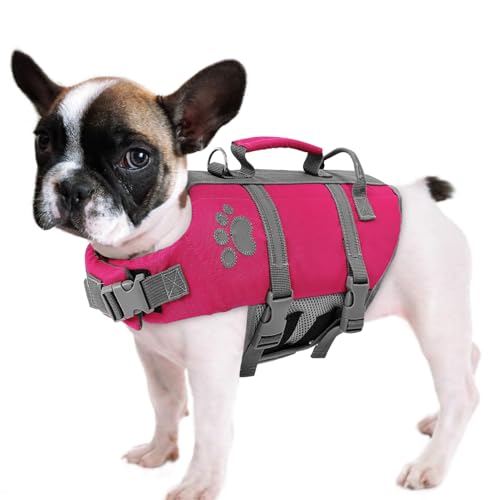 Queenmore XS Life Jacket Queenmore XS Life Jacket |
|
Check Latest Price |
 Texsens Bubble Backpack Texsens Bubble Backpack |
|
Check Latest Price |
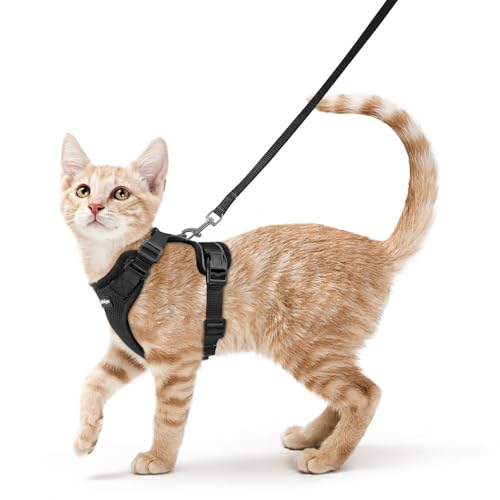 rabbitgoo Cat Harness rabbitgoo Cat Harness |
|
Check Latest Price |
 Collapsible Travel Bowls Collapsible Travel Bowls |
|
Check Latest Price |
| Dermoscent SunFREE Sunscreen |
|
Check Latest Price |
Is Your Cat Cut Out for Kayaking?
Not every feline is destined for the paddling lifestyle, and that's perfectly acceptable. After helping numerous friends introduce their pets to adventure cat kayaking, I've identified clear indicators of potential water-loving candidates.
Good candidates for training cat for kayaking usually display:
- Curiosity about water sources (watches showers, plays with dripping faucets)
- Handles car rides without excessive stress signals
- Adapts confidently to new environments
- Already tolerates wearing a harness comfortably
- Demonstrates complete trust in their human companion
My neighbor's Maine Coon embraced cat water sports immediately—no surprise since the breed has genetic predispositions toward aquatic enjoyment. Meanwhile, my rescue mixed-breed needed three months of patient training before his first real paddle. Every cat progresses at their own pace.
Red flags to consider carefully:
- Extreme anxiety responses in unfamiliar situations
- Zero previous outdoor experience
- Visible panic at water exposure
- Complete refusal to tolerate any gear on their body
If your indoor-only cat lacks outdoor exposure, begin with fundamental harness training and brief backyard excursions before considering water activities. Building terrestrial confidence must come first.
Essential Gear for Kayaking With Cats
Outward Hound Granby Life Jacket
- 42k+ reviews
- Bright visibility
- Rescue handle
- Adjustable fit
Queenmore XS Life Jacket
- XS size for cats
- Lightweight design
- Reflective strips
- Amazon's Choice
After testing numerous products (and wasting money on gear that failed), here's what genuinely matters for paddling with cats:
Cat Life Jackets
Cat personal flotation devices aren't optional equipment—they're literal lifesavers. I learned this lesson firsthand when Captain Whiskers decided to chase a dragonfly right off the deck near Barton Springs. His feline flotation device saved the day.
Outward Hound Granby Splash Dog Life Jacket, Life Vest, Orange, Small
42k+ reviews
Bright orange visibility
Rescue handle top
Adjustable straps
+ Pros
- Excellent ratings from 42k+ users
- High visibility color for safety
- Easy-grab rescue handle
- Adjustable secure fit
- Cons
- Size XS needed for most cats
- May ride up on lean felines
For smaller felines specifically, consider the Queenmore XS option which offers better proportions for lean cats. Both options provide the essential security you need when kayaking with your cat.
Queenmore XS Puppy Life Jacket, Dachshund Small Dog Life Vest for Swimming
XS size fits cats
Lightweight design
Reflective strips
Amazon's Choice
+ Pros
- Extra small fits cats perfectly
- Lightweight for comfort
- Reflective safety strips
- Amazon's Choice verified
- Cons
- Fewer reviews than alternatives
- May need extra padding
Essential fitting guidelines:
- Two fingers should fit between jacket and cat body
- Verify unrestricted leg movement for swimming
- Rescue handle should center on back when worn
- Practice swimming motions on dry land before water
Choosing the Right Kayak for Your Cat
Your kayak selection determines success or failure. Forget narrow touring models—you need stability and generous deck space. When I researched kayak weight considerations, I discovered lighter isn't always better for feline passengers.
Best kayak features for cat water safety:
- Wide, stable platform minimum 28 inches across
- Large cockpit opening or sit-on-top design
- Flat deck space accommodating carriers or beds
- Low sides enabling easy cat access
My 10-foot Perception Pescador serves us perfectly. The open deck gives Captain Whiskers movement freedom, and the stability eliminates constant tipping anxiety. For more details on selecting the appropriate vessel, see our guide on choosing the right kayak size. Consider these cat-friendly kayak modifications to make your vessel more feline-friendly.
Cat Carriers and Backpacks
Your feline needs a secure home base on the water. I prefer backpacks that serve multiple functions: car transport, kayak safe space, and emergency flotation assistance.
Texsens Innovative Traveler Bubble Backpack Pet Carriers for Cats and Dogs (Black)
Bubble window design
Fully ventilated
17,300+ reviews
Hands-free carrying
+ Pros
- Unique bubble window
- Excellent ventilation
- Amazon's Choice badge
- High capacity reviews
- Cons
- May heat up in direct sun
- Window needs cleaning
The carrier sits between my legs in the cockpit, door open so Captain can enter and exit freely. During hot weather, I attach a small battery-powered fan for airflow. Some paddlers prefer hard-sided carriers for additional protection, though I value soft-sided flexibility for storage.
Harness and Leash Setup
Never attach any leash directly to your kayak—that creates drowning hazards if you capsize. My system uses a 4-foot leash connected to the life jacket handle, with the opposite end wrapped loosely around my wrist. This configuration allows rapid cat retrieval without entanglement dangers.
rabbitgoo Cat Harness and Leash Set, Escape Proof Vest, Black
Escape proof design
63k+ reviews
Reflective strips
Soft vest style
+ Pros
- Top-selling harness
- Escape-proof design
- Reflective for visibility
- Soft comfortable material
- Cons
- Size adjustment needed
- May chafe on long trips
Avoid retractable leashes on the water completely—they're tangling nightmares waiting to happen.
Preparing Your Cat for the Water
Proper training distinguishes terrified felines from confident paddling partners. Captain Whiskers needed three months of gradual exposure, though some adventure cats adapt faster.
Step 1: Land-Based Kayak Introduction
I dragged my kayak into the living room (my roommate was thrilled). For two weeks, it became Captain's favorite nap location. I hid treats throughout, encouraging independent exploration.
Next, I relocated everything to the backyard and repeated the process. Adding the life jacket during these sessions built positive associations. By week three, Captain sprinted toward the kayak whenever I brought it out.
Step 2: Water Acclimation
Before attempting lake excursions, we spent time at Town Lake's shoreline. I'd bring Captain in his carrier, letting him observe the water while rewarding calm behavior. We progressed to walking along the water's edge, then sitting on docks with paws dangling over.
A breakthrough moment occurred when Captain accidentally stepped into shallow water while pursuing a leaf. He discovered it wasn't terrifying and proceeded batting at minnows for twenty minutes. Not every cat will embrace water this enthusiastically, but most can learn tolerance.
Step 3: Stationary Kayak Practice
At the calm cove near Red Bud Isle, I floated the kayak in knee-deep water, securing it to shore. Captain explored while the vessel gently rocked. This teaches balance fundamentals without paddling stress.
Begin with five-minute sessions. Captain's first experience involved hiding in his carrier the entire time—completely normal. By session four, he lounged on the deck like royalty.
Step 4: First Real Paddle
Select ideal conditions for your maiden voyage:
- Glassy calm water with zero chop
- Early morning timing (fewer people and dogs)
- Warm but not hot air temperature
- Familiar location reducing unknown variables
- Fifteen-minute maximum duration
Maintain proximity within twenty feet of shore. I paddled slowly, narrating constantly to Captain. He remained mostly in his carrier though he investigated with cautious head movements. When he vocalized, we returned immediately—positive endings matter more than duration.
Launch Day Logistics
Transporting from parking lot to water with a feline requires systematic planning. My refined process:
- At the vehicle: Cat remains in carrier while I unload kayak equipment
- Gear setup: Secure all equipment before releasing cat from vehicle
- Final prep: Apply cat's life jacket inside the car (reduces chaos)
- Transport: Carry cat in carrier directly to kayak
- Launch position: Position kayak in shallow water first
- Board together: I enter first, then place carrier in position
- Open carrier door: Allow cat to emerge when they feel ready
Never rush these stages. At popular Austin kayaking spots, I've witnessed too many hurried launches ending poorly.
On-Water Safety and Techniques
Once paddling commences, technique becomes critical. Learn about paddling comfortably for longer trips to avoid fatigue when kayaking with your cat. Here's what works:
Paddling Modifications
- Slower strokes: Reduce splash and sudden movements
- J-stroke steering: Keeps paddle on one side longer
- Low paddle angle: Minimizes water dripping into cockpit
- Shorter trips: Cats possess less endurance than dogs
Managing Your Cat's Needs
Hydration: I bring collapsible silicone bowls, offering water every thirty minutes. Dehydration develops rapidly on sunny days.
Rest-Eazzzy Collapsible Dog Bowls, 2 Pack Sturdy Portable Dog Water Bowls
2-pack value
BPA-free silicone
Folds flat
Carabiners included
+ Pros
- Two bowls for food and water
- Folds flat for storage
- Carabiners clip to deck
- BPA-free safe material
- Cons
- Small capacity
- Can blow away in wind
Sun protection: Cat-safe sunscreen on ears and nose is mandatory. I use Dermoscent SunFREE—it's specifically formulated for feline skin. A small sunshade over the carrier provides additional protection.
Cat-specific formula
Non-toxic
Water resistant
Protects ears/nose
+ Pros
- Formulated specifically for cats
- Non-toxic and safe
- Water resistant formula
- Essential sun safety
- Cons
- Higher price point
- Limited availability
Bathroom breaks: Plan shore stops hourly. Most cats won't eliminate aboard, so regular breaks prevent accidents and stress accumulation.
Reading Your Cat's Signals
Watch for these behavioral indicators:
- Restlessness: Indicates need for shore break
- Hiding behavior: Signals overwhelm, return to land
- Dilated pupils: Stress indicator, slow your pace
- Purring while exploring: Optimal engagement achieved
- Sleeping: Ultimate trust signal confirmed
Captain now sleeps through entire paddles, waking only when fish splash nearby. This comfort level required months of patient progression.
Common Challenges and Solutions
"My Cat Keeps Trying to Jump Out"
This behavior terrified me initially. Solutions that proved effective:
- Lower effective kayak sides using pool noodles for easier re-entry
- Allow supervised jumps into shallow water (with life jacket) to learn consequences
- Provide elevated vantage points using raised beds
- Deploy distraction tactics with toys or treats during exciting moments
"Water Gets In and Freaks Out My Cat"
If using a sit-on-top design, consider kayak scupper plugs to minimize water entry. For sit-inside models, a small bilge sponge keeps floors dry. I also place a towel in Captain's carrier for added comfort.
"Other Kayakers and Their Dogs"
This remains my greatest ongoing challenge. I schedule paddles early morning to avoid crowds and always provide wide berth to other boats. When approaching paddlers have dogs, I call out "Cat on board!"—most steer clear once aware.
"My Cat Gets Motion Sick"
Begin with shorter excursions on calmer water. Some cats prefer facing forward, others look sideways. Consult your veterinarian about anti-nausea options if problems persist. Captain experienced carsickness initially but never aboard the kayak—the gentle rocking actually soothes him.
Advanced Adventures
After mastering day trips, consider these expansions:
Kayak Camping With Cats
I've completed three overnight expeditions with Captain. Additional considerations include:
- Larger tent providing cat movement space
- Portable litter box system
- Extra food and water reserves
- Nighttime containment strategy
- Area emergency veterinary contact information
Verify campsite regulations—some locations require pet registration.
Multi-Cat Expeditions
I've transported two cats simultaneously in my tandem kayak. Each requires individual carriers and designated spaces. It's chaotic but achievable with proper setup and exceptionally calm felines.
Photography Tips
Capturing quality images while managing cat and kayak demands strategy. My approach:
- GoPro chest mount for point-of-view shots
- Floating phone case for rapid snapshots
- Request photos from passing paddlers
- Early morning provides superior lighting and calmer cats
Breed-Specific Considerations
Through the Austin Kayaking Cat Club network, I've observed how different breeds handle water exposure:
Water-loving breeds:
- Maine Coons: Natural swimmers requiring XXL life jackets
- Bengals: High energy demanding engaging activities
- Turkish Vans: Actually enjoy swimming immersion
- Abyssinians: Adventure-ready attitudes from birth
Breeds requiring additional patience:
- Persians: Respiratory issues complicated by life jackets
- Scottish Folds: Joint problems from certain sitting positions
- Hairless breeds: Extreme sun protection requirements
Safety Gear Upgrades
As skills advance, consider these additions:
- Floating rope for emergency cat retrieval
- Waterproof first aid kit containing pet-specific supplies
- Emergency whistle attached to your PFD
- Reflective tape applied to cat's life jacket
- GPS tracker for worst-case scenario recovery
The best kayak safety gear isn't exclusively for whitewater—responsible pet paddlers prepare comprehensively.
Making It Sustainable
To maintain your cat's enthusiasm for kayak adventures:
- Never force participation: Skip days when they're disinterested
- Vary locations: New sensory stimulation maintains interest
- Reserve special treats: Exclusive rewards for paddling days only
- Keep sessions positive: End before fatigue manifests
- Maintain routine: Regular outings build lasting confidence
Captain now recognizes his kayaking equipment and runs to the door. We still encounter off days where we practice only in the backyard—and that's perfectly fine.
Cost Breakdown
Initial investment for cat kayaking:
- Cat life jacket: $40-80
- Carrier/backpack: $50-100
- Harness/leash: $20-40
- Safety accessories: $30-50
- Total: $140-270
Worth every penny for the memories and bonding experiences created together.
FAQ Section
Can all cats learn to kayak?
Not every cat will enjoy kayaking, and that is perfectly acceptable. While shy rescues can become confident paddlers, some cats simply prefer solid ground. Success depends more on gradual training and trust than breed or age. Even 12-year-old cats can start and love the experience.
What if my cat falls in the water?
With a proper feline flotation device, cats float easily and can paddle to the kayak. Use the life jacket handle to lift them straight back aboard. Most cats learn quickly that staying aboard is drier.
Do I need a special pet kayak?
You do not need a kayak specifically marketed for pets. Any stable recreational kayak works well. Focus on width of 28+ inches and a large cockpit area rather than specialty features.
How long before my cat enjoys kayaking?
Every cat progresses differently. Some adapt in two weeks, others need three months. Start with 5-minute floats and gradually increase. When your cat starts sleeping on the water, you have achieved success.
Is it safe to kayak with cats in rivers?
Calm, slow-moving rivers work well for experienced kayaking cats. Avoid any current stronger than you could easily swim against. Start with lakes for the first year, then introduce gentle rivers gradually. Never attempt rapids.
What about predators like birds of prey?
This concern is valid for small cats. The life jacket makes cats appear larger, and your presence deters most predators. Stay alert and keep smaller cats close. The biggest actual threats are off-leash dogs at launch sites.
Can cats use the bathroom on a kayak?
Most cats will not eliminate on the kayak. Plan shore breaks every 60-90 minutes. Some paddlers bring portable litter boxes for longer trips, though most find regular shore access sufficient.
Should I use a tandem or single kayak?
Single kayaks provide better weight distribution and control. Tandems work but require the cat to be in the front seat area, which some find overwhelming. Start with whatever kayak you already own.
What if my cat hates it after all that training?
Sometimes it does not work out, and that is okay. The training still builds confidence for other adventures. Many cats who do not enjoy kayaking become excellent hiking or camping companions. Honor your cat's preferences.
How do I find other kayaking cat owners?
Check Facebook for local adventure cat groups in your area. Instagram hashtags like #kayakingcats and #adventurecats connect you with fellow paddlers. Local pet meetups sometimes evolve into water adventure groups.
The Bottom Line
Kayaking with your cat isn't merely possible—it can become the absolute highlight of your paddling season. Yes, you'll attract curious stares at the boat ramp. Someone will inevitably shout "Is that a CAT?!" across the water. But witnessing your feline companion discover the magic of gliding across glassy water makes every training minute worthwhile.
Begin slowly, prioritize cat water safety above all else, and respect your pet's individual limits. Some days Captain wants to investigate every lily pad, other days he sleeps through the entire paddle. Both outcomes are perfect. The objective isn't creating an extreme sports feline—it's sharing the water you love with the companion who shares your home.
Three years and hundreds of miles later, I cannot imagine kayaking without my whiskered first mate. Those sunrise paddles when Captain sits perfectly still, watching herons hunt while I sip coffee—that's what this adventure cat kayaking journey is truly about.
See you and your adventure cat on the water!