
Winter Bass Fishing Tips: Master Cold-Weather Kayak Angling in 2026
Quick Summary: Key Winter Bass Fishing Takeaways
- Winter bass group up on deep structure and bite most actively between 42-48 degrees when big females are at their heaviest
- Slow down everything — downsized lures, slower retrieves, and longer pauses trigger strikes from lethargic cold-water bass
- The football jig is the MVP lure for cold water; pair it with a compact trailer and work it deadstick style on deep structure
- Fish electronics with sensitivity at 85-90% and use 200 kHz frequency to locate bass stacked at precise depths
- Layer merino wool base, fleece insulation, and a dry suit; cold water saps body heat fast from a kayak
- Best fishing windows are typically 1-4 PM when water temperatures peak, especially on sunny afternoons
There is something almost meditative about paddling onto a frigid lake in the dead of winter. The kind of cold that crystallizes your breath and forces you to move deliberately just to stay warm. Most anglers have packed away their tackle boxes by December, convinced that bass fishing is a warm-weather pursuit. They are missing out on the finest fishing of the year. After logging countless hours on the water through ice-forming conditions, I can tell you that winter offers something no other season can match — the chance to catch the biggest bass of your life while everyone else stays home. Winter bass fishing from a kayak strips away the distractions and leaves only you, your skills, and some of the most concentrated bass in the lake.
This guide covers everything I have learned about chasing bass through the coldest months from a kayak. I will walk you through the gear that keeps you alive, the electronics settings that reveal cold-water bass, and the presentations that trigger strikes when water temperatures plummet below 50 degrees. More importantly, I will show you where to find them. Winter bass are not random — they follow predictable patterns once you understand what drives their behavior.
Understanding Winter Bass Behavior
To catch winter bass consistently, you must first abandon summer thinking. Cold-water bass operate on an entirely different set of rules, and understanding their physiology transforms how you approach every trip.
The Cold-Blooded Truth
Bass are ectothermic, meaning their body temperature mirrors the surrounding water. When lake temperatures slide into the low 40s, a bass metabolic rate drops to roughly one-quarter of its summer peak. Digestion slows dramatically, bursts of movement become rare, and the fish become intensely selective about when to expend energy. I noticed this pattern early on Lake Washington's bass waters during a frigid January trip several winters ago. I was burning spinnerbaits past fish that barely registered interest. The moment I committed to slow, methodical presentations, everything changed.
Finding Winter Bass: It's All About Temperature
Stable water temperature becomes the primary driver of winter bass location. Unlike summer when bass might roam across vast flats, cold-weather bass seek zones where temperature fluctuates least. Watching my fish finder for kayak fishing has revealed consistent patterns across different lakes and conditions.
Above 50 degrees Fahrenheit: Bass remain somewhat active and will use traditional structure like points, channel swings, and underwater humps. They suspend more than in summer but still patrol.
45-50 degrees Fahrenheit: The transition zone where fishing often peaks. Bass start grouping tighter but retain enough activity to chase baits.
40-45 degrees Fahrenheit: The sweet spot for catching oversized fish. Bass stack densely on steep structure near deep water access. Concentrations of 15-20 fish in an area the size of a small kayak are common.
Below 40 degrees Fahrenheit: Bass retreat to the deepest available water adjacent to structure. They become nearly dormant and require lures positioned directly in front of their nose.
The Thermocline Game
One overlooked advantage winter anglers enjoy is the absence of a thermocline. Summer heat creates layered water columns where oxygen depletion below the thermocline restricts bass depth. In winter, the entire water column mixes, granting bass access to any depth. I have landed bass in 50 feet of water during January — a scenario virtually impossible during August. This vertical freedom means winter bass use deep structure in ways summer fish never can.
Essential Winter Kayak Fishing Gear
Cold-weather kayak fishing exists at the intersection of angling skill and survival planning. One frightening encounter with early-stage hypothermia on a Tennessee reservoir taught me that proper gear is not optional when water temperatures threaten your safety.
Staying Warm and Dry
A proper layering system forms the foundation of winter kayak fishing comfort and survival. Cotton has no place in your winter wardrobe — once wet, it loses all insulating properties and accelerates heat loss. Build your system in three distinct layers.
Base Layer: Moisture-wicking merino wool or synthetic materials sit against your skin and move sweat away from your body. This layer prevents the chilling effect that wet fabric creates.
Insulation Layer: Fleece or synthetic fill jackets retain warmth even when damp. I prefer full-zip designs that allow ventilation during intense paddling stretches.
Outer Shell: A quality dry top or semi-dry suit serves as your primary defense against water intrusion. After testing countless configurations over the years, I have settled on a semi-dry suit as the best balance of weather protection and mobility for kayak fishing.

Fish Monkey Yeti Premium Ice Fishing Mitten - M
100% waterproof HIPORA membrane
Thinsulate insulation for extreme cold
Touchscreen-compatible index finger
+ Pros
- Keeps hands warm in extended cold sessions
- Touchscreen compatible for electronics operation
- Waterproof and windproof construction
- Premium goat leather palm for grip
- Cons
- Premium price point
- Break-in period for leather palm
Safety Equipment
Winter paddling demands heightened safety awareness and specialized equipment. Cold water saps strength rapidly, and the margin for error shrinks dramatically.

NRS Chinook Fishing Life Jacket for Fishing | Adult USCG Type III PFD | Mesh Back Front Zip Vest...
USCG Type III approved
16.5 lbs flotation
High-back design with PlushFit foam
+ Pros
- Comfortable high-back design for kayak seats
- Excellent flotation for cold-water safety
- Multiple adjustment points for customized fit
- Rod holder and strobe attachment included
- Cons
- Premium pricing
- May feel warm during milder days
The NRS Chinook provides the flotation and safety features critical for winter kayak fishing. Its high-back design accommodates kayak seats comfortably during long cold-weather sessions, while the six adjustment points ensure a secure fit over winter layers.
Reflective accents and the built-in strobe attachment point enhance visibility during the short daylight hours of winter. The rod holder keeps your most important gear within reach without requiring you to fumble with numb fingers.
Two large clamshell pockets provide enough storage for tackle boxes and essential accessories. The mesh lower back promotes airflow while maintaining the flotation properties you need when conditions turn dangerous.
- Emergency beacon: Cell phones fail rapidly when wet and cold. A waterproof VHF radio or personal locator beacon could prove lifesaving if you become separated from your kayak.
- Bilge pump: Essential for sit-inside kayaks and valuable even for sit-on-top models during heavy water intrusion.
- Dry bag with backup clothing: Always assume water intrusion will occur. Store a complete change of clothes in a waterproof dry bag.
Modified Kayak Setup
Your kayak modifications shift in importance during cold weather. Effective anchor systems become critical when targeting concentrated bass on specific structure. Quick-release anchors let you hold position precisely over productive spots without wrestling with rope. Rod holders need to secure tackle securely — numb cold hands make gear management challenging. Electronics mounts require vibration-dampening features to maintain clear sonar returns in choppy winter conditions.
For more on essential kayak upgrades, see our guide to top kayak mods for year-round fishing.
Mastering Winter Electronics
During bass fishing in the winter, your fish finder transitions from helpful tool to essential weapon. Cold-water bass often suspend at exact depths, and locating them without quality sonar means spending hours fishing blind.

Garmin Striker Vivid 4cv Fishfinder with Transducer - 4-inch LCD Display - Easy-to-Use Scanning...
4-inch color display with vivid sonar palettes
CHIRP ClearVu scanning sonar
Built-in Quickdraw Contours mapping
+ Pros
- High-sensitivity GPS for marking waypoints
- ClearVu scanning reveals vertical structure
- Compact size ideal for kayak mounting
- Quickdraw Contours creates custom lake maps
- Cons
- Smaller screen than dedicated boat units
- Requires additional transducer for forward-facing sonar
The Garmin Striker Vivid 4cv delivers the clarity needed to distinguish winter bass from surrounding structure. Its compact 4-inch display fits perfectly on kayak dashes while providing enough screen real estate to identify the subtle sonar returns cold-water bass produce.
The GT20 transducer combines traditional Garmin CHIRP sonar with CHIRP ClearVu scanning, giving you both wide-area coverage and detailed vertical structure reading. This dual capability proves invaluable when searching for winter bass suspended at precise depths.
Built-in Quickdraw Contours mapping allows you to create custom lake maps directly on the device, marking the exact structure and depth changes where you catch winter bass. These maps become invaluable for returning to productive spots season after season.
Sonar Settings for Cold Water
Winter water clarity typically improves due to reduced algae growth and fewer suspended particles. Adjust your sonar settings to take advantage of these clearer returns.
Sensitivity: Boost to 85-90% to detect subtle baitfish schools and identify inactive bass holding just above bottom. Winter bass arches on sonar tend to be subtler than summer fish.
Frequency: 200 kHz delivers the detail needed to distinguish bass from structure in deep water applications. Use split-screen modes if your unit supports them.
Zoom Function: Focus the zoom window on the bottom 10-15 feet where most winter bass hold. This concentrates your sonar detail on the fish-holding zone.
Reading Winter Patterns
After thousands of hours studying sonar returns during cold-weather fishing trips, certain patterns consistently emerge.
Baitfish Balls: Tight clusters of baitfish over deep structure indicate bass cannot be far away. Position your kayak to drift baits through these zones.
The Arc Pattern: Winter bass frequently appear as distinct half-circle arches positioned slightly off the bottom. These fish are usually inactive but will bite with the right presentation.
The Christmas Tree: Multiple bass stacked vertically on structure create a pattern resembling a decorated holiday tree on your sonar display. This configuration represents the jackpot for winter anglers.
Forward-Facing Sonar for Winter Bass
Forward-facing sonar technology like Garmin LiveScope and Mega Live has fundamentally changed how serious anglers locate winter bass. Rather than watching sonar returns beneath your kayak, you can now observe bass swimming toward your lure in real time. This technology excels during winter because bass hold at precise depths and locations — seeing them on the display before making a cast dramatically improves efficiency. Watching a winter bass approach and engulf your jigging spoon on LiveScope provides an entirely new dimension to cold-water fishing.
For our complete recommendations including units with forward-facing sonar capability, see our best fish finder for kayak guide.
Top Winter Bass Fishing Techniques
Catching winter bass requires abandoning aggressive warm-water tactics. Success comes from slowing down, downsizing tackle, and presenting lures that cold-water bass cannot resist.
The Jig: Winter's MVP
If I could carry only one lure through an entire winter season, it would be a football jig. The 3/8 to 1/2 ounce range works best for most winter conditions, paired with a compact trailer that adds profile without creating excess bulk.
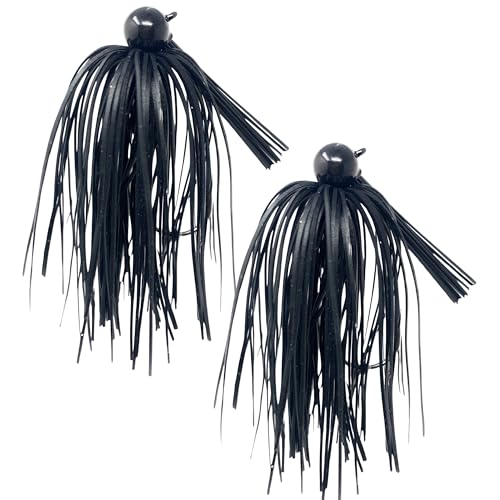
Reaction Tackle Tungsten Football Jig Heads for Bass Fishing - Weedless Jig Head with Silicone Skirt...
97% pure tungsten head
Weedless silicone skirt design
Available in 3/8 oz and 1/2 oz sizes
+ Pros
- Tungsten construction for superior sensitivity
- Weedless design excels in rocky winter structure
- High-quality skirt remains durable
- 2-pack offers excellent value
- Cons
- Limited color options compared to competitors
- Heavier than some tungsten jigs
The Reaction Tackle tungsten football jig puts density where it matters for winter fishing. Tungsten transfers vibration better than lead, giving you more feedback through the rod on each bounce off bottom. The weedless design slides through rocky winter structure without snagging, letting you fish the exact zones where big bass hold.
The silicone skirt maintains its shape through countless drifts and bounces, providing the lifelike crawfish profile that bass crave during cold water. The 2-pack offers great value for anglers who want to keep a backup ready.
Three presentations consistently trigger strikes when fishing jigs in cold water.
- The Drag: Simply drag the jig along the bottom with occasional pauses of several seconds. Winter bass often swipe at lures on the initial drop.
- The Deadstick: Hold the jig motionless for 30-60 seconds. Inactive bass frequently commit only after extended bait inspection.
- The Shake: Impart subtle rod tip vibrations without moving the jig horizontally. This creates lifelike crawfish imitation without triggering the bass to reject the offering.
Color selection matters less in winter than lure placement, though green pumpkin, black and blue, and brown orange combinations consistently produce. Match your trailer to the primary forage in your lake — crawfish patterns dominate in rocky areas, while baitfish profiles work better near open water.
Blade Baits: The Reaction Strike
When bass suspend over deep structure during winter, blade baits generate reaction strikes that finesse presentations cannot match. The constant vibration draws fish from a distance, and the flutter on the fall triggers their predatory instinct.
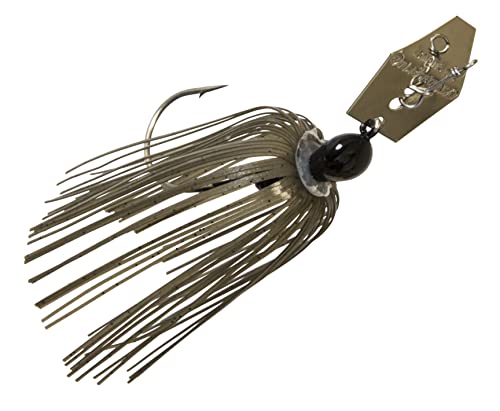
Z-MAN Original Chatterbait 1/2 Oz. - Green Pumpkin
Hex-shaped ChatterBlade for intense vibration
Custom 5/0 needle point hook
Compatible with ElaZtech trailers
+ Pros
- Maximum flash and vibration triggers strikes
- Sharp hook penetrates efficiently
- Works entire water column reliably
- Multiple weight options available
- Cons
- Can wind knot on long casts
- Skirt can ride up with repeated use
The Z-Man Chatterbait earns its reputation as a winter confidence lure through consistent performance. The hex-shaped ChatterBlade creates flash and vibration that cold-water bass cannot ignore, triggering reaction strikes from lethargic fish that would ignore slower offerings.
The custom heavy-duty 5/0 hook stays sharp through multiple fish landings, which matters when you are trying to maximize your catch in challenging conditions. The hook is designed to penetrate efficiently even when bass barely open their mouths.
My proven blade bait technique involves ripping the lure 2-3 feet upward, then allowing it to fall on controlled slack line. Watch your line carefully during the descent — roughly 90% of strikes occur while the bait falls. Silver and gold chrome finishes excel in clear water conditions, while painted blades produce better in stained or off-color water.
Ned Rig and Finesse Presentations
The Ned Rig has earned its place as a legitimate cold-water technique over the past several winters. This simple setup — a small mushroom-style jighead paired with a thin, buoyant plastic — triggers bites when bass refuse more elaborate offerings. The subtle, finesse approach shines during periods of extreme cold when bass metabolism bottoms out.

Z-MAN TRD275-46PK8 Elaztech Finesse TRD Ned Rig Worm, 2 3/4", 3/4", Green, Multi, One Size
2.75 inch Finesse TRD profile
Dimpled ElaZtech texture
8 baits per pack
+ Pros
- ElaZtech stays flexible in cold water
- 4x stretch prevents tearing
- Ideal profile for finesse presentations
- Consistent sink rate for controlled retrieves
- Cons
- Requires specific jighead size
- Less durable than traditional plastics
The Z-Man Finesse TRD represents the gold standard for cold-water soft plastics. The ElaZtech material stays remarkably flexible in frigid water where other plastics become rigid and lifeless. This subtle action makes all the difference when targeting inactive winter bass.
The dimpled texture creates additional water disruption that bass can sense, providing an extra trigger when they are otherwise unresponsive. Eight baits per pack ensures you have plenty of options for a full day on the water.
The Ned Rig shines during mid-winter when bass reject faster presentations. Work it with subtle hops and long pauses, letting the plastic do the heavy lifting. The small profile and slow sink rate imitate wounded baitfish and crawfish perfectly for cold-water conditions.
Drop Shot: Finesse Perfection
The drop shot rig keeps your bait suspended in the strike zone longer than any other winter presentation. By maintaining constant bottom contact with a small weight while your soft plastic floats above, you create an irresistible target for inactive bass.
- 6-8 inch leader from the weight to your hook — shorter than typical summer setups
- 1/4 to 3/8 ounce cylinder weight for bottom contact and feel
- 3-4 inch finesse worm or minnow in natural colors
After casting, let the rig settle to bottom, then hold it stationary while using your kayak drift to impart subtle action. I have watched bass on my electronics swim up from a full foot below my bait and engulf a motionless drop shot offering. Patience represents the entire game with this technique.
Jigging Spoons: Vertical Precision
Deep-water bass concentrations respond exceptionally well to jigging spoons. From a kayak, you enjoy natural vertical control that makes this technique particularly effective.
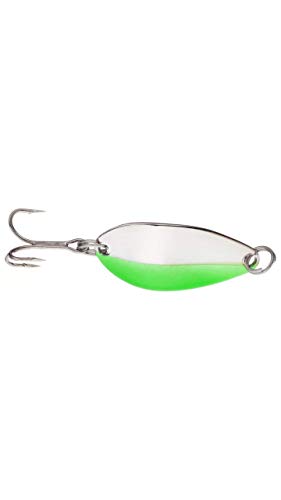
Acme Little Cleo Fishing Lure, Silver/Green, 3/4-Ounce
Precision machined construction
3/4 oz weight ideal for deep water
Aerodynamic design for accuracy
+ Pros
- Intense flash triggers reaction strikes
- Aerodynamic casting performs well
- No line twist during yo-yo retrieve
- Works in fresh and saltwater
- Cons
- Limited color options
- Can foul on treble hooks
Drop the spoon to the bottom, reel up approximately one foot, and work it with short, sharp rod snaps. The critical factor involves noting the exact depth where you receive strikes. Winter bass typically suspend at precise depths — if you catch one at 27 feet, the rest of the school will likely hold at that same level.
Line Selection for Winter Bass
Line choice becomes more critical in cold water than during warmer months. Reduced bass jaw strength means hook penetration suffers unless you account for line characteristics in your setup.
Monofilament remains the top choice for reaction baits like blade baits and jerkbaits during winter. The built-in stretch absorbs shock during hookset and improves landing rates with cold-water bass that have sluggish jaw reflexes. Forum discussions consistently confirm that mono outperforms braids for reaction presentations when water temperatures drop below 45 degrees.
Fluorocarbon excels for finesse presentations including drop shots and Ned Rigs. Its near-invisibility and sensitivity shine when bass are line-shy, though reduced stretch means you must soften your hookset against the side of the boat.
Braid works well for deeper water applications where you need direct contact and sensitivity. The zero-stretch characteristic demands a deliberate, sideways hookset rather than a sweeping motion.
Pair low gear ratio reels in the 5.1:1 to 5.4:1 range with your winter setups. Slower retrieve speeds match the decreased activity levels of cold-water bass and allow better lure control during critical pauses. For a complete breakdown of line types and specific recommendations, see our guide to best fishing line for bass.
Best Winter Bass Locations
Winter bass follow predictable paths to seasonal holding areas. Understanding these migration routes transforms random fishing into strategic positioning.
Primary Winter Spots
Deep Points: Main lake points that plunge into the deepest adjacent water concentrate winter bass perfectly. Position your kayak to work multiple depth bands along the break.
Channel Bends: Where the river channel swings closest to solid structure creates current breaks that bass crave. Some of my largest winter bass came from channel bends meeting bluff walls.
Steep Bluffs: Rock bluffs provide everything cold-weather bass need — rapid access to deep water, relatively stable temperatures, and ambush points. Work parallel to bluff walls while maintaining bottom contact with your lure.
Deep Docks: Dock pilings extending into 15+ feet of water hold winter bass reliably, particularly those with brush piles beneath the surface. The shade structure matters less in winter than the cover itself.
Several lakes consistently produce outstanding winter bass fishing across different regions. Lake Fork in Texas, Sam Rayburn Reservoir, Lake Guntersville in Alabama, and Lake Okeechobee in Florida rank among the most reliable destinations for cold-weather bass angling. Each offers unique structural features and accessibility for kayak anglers during winter months.
Secondary Locations
Bridges: Concrete absorbs and radiates heat differently than surrounding water, creating subtle temperature differentials. Bridge pilings also form current breaks. Some of my best winter sessions occurred on the deep side of bridge crossings.
Warm Water Discharges: Power plant outflows generate artificial warming that creates spring-like conditions in the middle of winter. These thermal refuges attract bass concentrated from across the lake.
Marinas: Protected marina basins with deep water access hold bass throughout winter. The combination of dock structure, boat cover, and temperature moderation creates reliable fish-holding habitat.
For more insights on reading river structure for bass, see our river bass fishing guide — many river-reading principles apply directly to winter lake positioning.
Seasonal Progression Through Winter
Winter bass fishing evolves continuously from December through March. Strategies that produce during early winter often fail by February, and understanding this progression keeps you on fish.
Early Winter (December-Early January)
Water temperatures range from 55 down to 45 degrees Fahrenheit during this transition period. Bass retain reasonable activity levels but begin staging for winter. Shad mortality from cold stress creates abundant forage, making shad-imitating lures particularly effective.
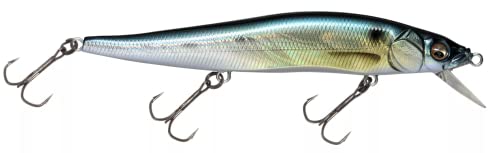
Megabass Vision 110
4-1/3 inch suspending jerkbait
1/2 oz weight for long casting
Dives to 6ft depth
+ Pros
- Suspending action holds in strike zone during pauses
- Premium Megabass tungsten construction
- Excellent action on twitch-and-pause retrieve
- Deadly on suspended winter bass
- Cons
- Higher price point
- Limited availability
The Megabass Vision 110 suspending jerkbait excels during early winter when bass still retain enough activity to chase moving prey. The 4-1/3 inch profile matches resident baitfish perfectly, and the suspending action allows you to pause the retrieve at any depth.
Lipless crankbaits, suspending jerkbaits, and Alabama rigs all perform exceptionally during early winter. A December trip on a Tennessee lake found bass actively chasing shad schools on main lake points when water measured 48 degrees. A white and chartreuse spinnerbait slow-rolled through those schools generated 20 bass within two hours.
Mid-Winter (January-February)
Water temperatures stabilize between 45 and 38 degrees Fahrenheit during the coldest period. Bass metabolism reaches its annual minimum, making this the most challenging stretch of the winter season. It also produces the largest fish when conditions align.
During a February cold snap with water at 39 degrees, I landed my personal best winter bass — an 8.5 pound largemouth — on a brown jig worked slowly through 35 feet of water. The key involved locating an isolated brush pile on an otherwise clean underwater point. That solitary piece of cover held everything I needed.
Late Winter (February-March)
Water temperatures climb gradually from 38 back toward 50 degrees as spring approaches. Bass begin migrating from wintering areas toward spawning flats, staging in predictable transitional locations.
Secondary points, channel swing banks, and the first major cover away from deep water hold staging bass. Late winter demands versatility — begin deep with traditional winter tactics but always check shallower staging zones. A suspending jerkbait worked with extended pauses becomes particularly effective during late-winter warming trends.
Kayak-Specific Winter Tactics
Fishing from a kayak during winter creates unique challenges compared to boat angling. The low profile, quiet approach, and precise positioning capabilities offer advantages boat anglers cannot replicate.
Stealth Advantage
Cold water transmits sound more efficiently than warm water, making kayak approach even more critical during winter. The natural silence of paddle propulsion becomes a significant edge. I have drifted within 20 feet of winter bass that boat anglers inadvertently spooked from 100 yards away.
- Approach structure from deeper water rather than casting over shallow zones first
- Use your paddle as a push pole in shallow areas where splashing threatens fish
- Anchoring upstream allows baits to drift naturally back toward holding fish
Positioning Strategies
Without a trolling motor, precise positioning requires different tools. A drift sock dramatically slows kayak movement across productive structure on windy days. Brush anchors hold position without creating the noise and disturbance of traditional anchors.
During winter, launch site selection becomes particularly important. Low lake levels often place boat ramps far from winter bass habitat. Kayak carts prove essential for moving your vessel from distant launches to prime winter structure.
Limited Tackle Approach
Cold fingers and restricted storage demand efficiency from every piece of equipment you carry. My winter kayak system includes three rods maximum — one rigged with a jig, one with a finesse presentation, and one with a reaction bait. One small tackle tray containing proven lures replaces bulky tackle storage. A landing net becomes essential for safe fish handling in cold water, where proper release technique matters enormously for population health.
Advanced Winter Patterns
After years of winter kayak fishing, certain patterns consistently produce when standard approaches fail. These advanced strategies separate dedicated winter anglers from fair-weather visitors.
The Warm Pocket Pattern
Even a two-degree temperature difference creates meaningful bass concentration in winter. Use your electronics to identify these subtle warm zones.
- Dark-bottomed areas absorbing solar radiation
- Protected pockets shielded from prevailing cold winds
- Deep holes surrounded by shallower water
- Submerged springs common in limestone-based lakes
The Baitfish Highway
Winter baitfish follow specific travel corridors between deep and shallow water. Locate these highways, and you locate the bass waiting to ambush them.
- Ditches connecting flats to deep water
- Creek channels leading toward the main lake basin
- Subtle depressions crossing otherwise flat bottom contours
The Community Hole
Some locations hold bass throughout the entire winter season — I call these community holes. They share several identifying characteristics.
- Depth ranges spanning 15-40 feet
- Multiple cover types including rock, wood, and submerged vegetation
- Nearby deep-water escape routes
- Protection from current and wind exposure
Mark these spots on your GPS. When you locate a true community hole, it will reward you repeatedly throughout the winter season.
Color Selection and Lure Modifications
Winter color strategies differ markedly from warm-water approaches. After testing hundreds of color combinations across multiple winters, clear patterns emerge.
Water Clarity Rules
Clear Water (8+ feet visibility): Natural colors dominate — green pumpkin, watermelon, smoke, and translucent plastics with subtle flake. Chrome and silver hard baits outperform painted alternatives.
- Green pumpkin and watermelon patterns
- Smoke and gray translucent colors
- Chrome and silver hard baits
Stained Water (2-8 feet visibility): Darker combinations including black and blue, purple, and brown create better contrast. Gold and copper blade baits provide visibility alongside vibration.
Muddy Water (less than 2 feet visibility): Bright colors cut through stained conditions — chartreuse, white, and orange increase visibility. Rattling baits and larger profiles compensate for reduced visibility.
Winter Lure Modifications
Small modifications dramatically affect cold-water performance.
Trim excess bulk: Shorter jig skirts and trimmed spinnerbait blades create easier lure movement in dense cold water. Less resistance means more realistic action.
Add scent: Bass in cold water rely heavily on chemical cues. I treat all soft plastics with garlic or crawfish attractant. The few extra seconds a bass holds a scented bait often determines hookup success.
Downsize hooks: Smaller, sharper hooks penetrate more easily when bass barely open their mouths. Just confirm they remain strong enough for large fish.
The 320-grit sandpaper trick: Lightly sanding lure finishes removes reflective glare and creates a more natural, matte appearance that cold-water bass find less threatening.
Weather Patterns and Timing
Weather influences winter bass behavior more dramatically than many anglers realize. Understanding these relationships helps you select the most productive fishing windows.
Best Winter Conditions
Stable Weather: Three or more consecutive days under consistent conditions — even cold ones — activates bass more effectively than warming trends that interrupt stability.
Afternoon Windows: Unlike summer when early morning dominates, winter fishing peaks between noon and 4 PM when water temperatures reach their daily maximum.
Pre-Front Conditions: The 24 hours preceding a cold front often produce exceptional fishing. Dropping barometric pressure triggers feeding responses in anticipation of changing conditions.
Sunny Afternoons: Solar radiation warms shallow water and activates both baitfish and bass. Target sun-exposed banks during afternoon hours on clear days.
Tough Conditions
Post-Front: The day following a cold front passage typically produces the most difficult fishing. Move deeper and slow your presentations significantly.
Heavy Rain: Incoming muddy water disrupts clear-water patterns. Focus efforts on main lake areas distant from stained inflow.
Extreme Cold: When air temperatures remain below freezing, ice accumulates in rod guides and line. Applying cooking spray to guides prevents ice buildup during retrieval.
Safety Considerations for Winter Kayak Fishing
Winter kayak fishing demands respect for conditions that can turn dangerous rapidly. After one frightening experience with progressive hypothermia, I refuse to compromise on safety protocols regardless of conditions.
The Cold Water Rule
The 50-50-50 rule states that in 50 degree Fahrenheit water, you have approximately 50 minutes before exhaustion or unconsciousness occurs. Reality often proves even more challenging — in 40 degree water, you might retain only 15 minutes of effective self-rescue ability.
Always wear your PFD and file a float plan with someone on shore. Paddling with a partner dramatically improves safety margins. When conditions turn extreme, staying close to shore keeps rescue options viable.
For additional safety data comparing different watercraft, see our comparison of fishing watercraft which includes specific cold-water survival information.
Essential Safety Gear
- Whistle: Attached directly to your PFD, not stored in a pocket where it becomes inaccessible during emergencies
- Knife: Accessible even with cold-numbed fingers for cutting anchor rope if needed for self-rescue
- Dry clothing: Stored in a waterproof bag, including backup gloves
- Emergency shelter: Space blanket minimum, with a bivvy sack preferred for extended survival situations
- Fire starting: Waterproof matches or a lighter provide warmth potential if exposure occurs
Self-Rescue Practice
Practice re-entering your kayak while wearing full winter gear in shallow, cold water before the season demands it. If you cannot complete the recovery quickly and efficiently, you should remain close to shore. My first attempts wearing a dry suit revealed that my fishing kayak was nearly impossible to re-enter from deep water while dressed for winter conditions. That knowledge directly influences how far I venture from rescue options during cold weather.
Winter Bass Fishing Success Stories
These encounters from the cold water illustrate what dedicated winter anglers can accomplish.
The Polar Vortex Giant
One of my most memorable winter catches came during a polar vortex event that pushed temperatures far below normal across the South. While most anglers stayed indoors, I launched on a major reservoir with ice forming along the shoreline. Water temperature hovered at 41 degrees.
My electronics revealed a school of bass suspended at exactly 27 feet over a main lake hump. Initial attempts with a blade bait produced nothing. Switching to a drop shot with a small finesse worm and literally dead-sticking it at their depth yielded results after several minutes of nothing. When the rod loaded up, the fight in that frigid water felt unlike anything I had experienced. The eventual landing of a 9.2 pound largemouth left my frozen hands trembling as I posed for a photo.
The Community Hole Slam
Last winter season, I discovered what I now refer to as my Honey Hole — a subtle depression on a main lake point that plunges from 20 to 45 feet. Using inline spinner techniques adapted for cold water, I caught bass from this location on seven consecutive trips regardless of weather conditions.
The key involved locating an isolated brush pile at 32 feet. Winter bass stacked on this cover like stacked firewood. My best single day produced 18 bass including four exceeding 5 pounds, all on a brown and orange jig worked slowly through the branches.
The Warm Water Discharge Discovery
While exploring a new lake, steam plumes drew my attention toward a corner near an industrial facility. The warm water discharge created a bass paradise amid winter conditions. Water temperature where the warm water entered measured 68 degrees — just 100 yards away it read 44 degrees.
Working the temperature break with a lipless crankbait produced remarkable results. Bass stacked along the warm/cold boundary like a wall. Within three hours I landed over 40 bass including several 4-pounders that fought with summer-like aggression despite the surrounding cold.
FAQ
{ "@context": "https://schema.org", "@type": "FAQPage", "mainEntity": [ { "@type": "Question", "name": "Do bass bite when it's cold?", "acceptedAnswer": { "@type": "Answer", "text": "Absolutely. Some of the largest bass I have caught occurred when air temperatures were below freezing. The key involves understanding that cold-water bass behave differently — they are less active but still need to eat. Water temperatures between 42-48 degrees Fahrenheit produce some of the year's biggest bass because they are grouped up and the big females are at their heaviest." } }, { "@type": "Question", "name": "What do bass eat in cold water?", "acceptedAnswer": { "@type": "Answer", "text": "In winter, bass primarily feed on dying shad, crawfish, and other baitfish moving slowly in cold water. I have cleaned bass in 40 degree water and found their stomachs packed with small shad and crawfish. They prefer easy meals requiring minimal energy expenditure, which is why slow-moving presentations that mimic lethargic prey work best." } }, { "@type": "Question", "name": "Can you catch bass in 40 degree weather?", "acceptedAnswer": { "@type": "Answer", "text": "Yes, 40-degree air temperature often coincides with water temperatures in the mid-40s to low 50s — prime winter bass fishing conditions. Some of my best winter days occurred during 40-degree weather. Focus on the warmest part of the day, typically 1-4 PM, and target areas where bass concentrate in cold water." } }, { "@type": "Question", "name": "What colors are best for bass fishing in cold water?", "acceptedAnswer": { "@type": "Answer", "text": "Natural colors outperform bright colors in winter's typically clearer water. Green pumpkin, brown, and black/blue combinations consistently produce. In stained water, I add some chartreuse or orange for visibility. Match your color to the water clarity rather than following rigid seasonal rules." } }, { "@type": "Question", "name": "Do bass go deep in winter?", "acceptedAnswer": { "@type": "Answer", "text": "Generally yes, but it depends on the lake. I have caught winter bass everywhere from 5 to 50 feet deep. Bass seek stable temperatures, which usually means deeper water. However, on warm, sunny afternoons, bass will move surprisingly shallow. Use your electronics to find the depth where baitfish and bass are holding on any given day." } }, { "@type": "Question", "name": "What is the best bass bait for winter?", "acceptedAnswer": { "@type": "Answer", "text": "If forced to choose one lure, it would be a jig — specifically a 3/8 to 1/2 ounce football jig. That said, blade baits, jigging spoons, and drop shot rigs are all essential winter tools. The best bait matches the depth and activity level of the bass you are targeting." } }, { "@type": "Question", "name": "Is winter bass fishing worth it?", "acceptedAnswer": { "@type": "Answer", "text": "Without question. Winter offers the best chance at catching a true giant, plus you will have the lake almost entirely to yourself. The solitude, the challenge, and the quality of fish make winter my favorite season to fish. Yes, it requires more preparation, but landing one giant bass on a cold winter day beats catching dozens of small fish in perfect conditions." } }, { "@type": "Question", "name": "What time of day is best for winter bass fishing?", "acceptedAnswer": { "@type": "Answer", "text": "Unlike summer, winter bass fishing peaks during the warmest part of the day — typically 1 PM to 4 PM. I track this with my fish finder and consistently see bass most active when surface temperatures warm slightly. Early morning can be tough unless you are fishing a warm water discharge or heated dock area." } }, { "@type": "Question", "name": "How do you catch big bass in the winter?", "acceptedAnswer": { "@type": "Answer", "text": "Big bass in winter require finding isolated cover on quality structure — the single brush pile on a point, the unique dock in deep water, the subtle rock pile on a hump. Work your bait slowly and thoroughly once you locate them. Big winter bass will not chase, but they will eat a well-presented bait that remains in their zone." } }, { "@type": "Question", "name": "Should you use scent in winter?", "acceptedAnswer": { "@type": "Answer", "text": "Absolutely. Bass rely more on scent in cold water when their metabolism slows. I add garlic or crawfish scent to all soft plastics and even treat jig trailers. The extra seconds a bass holds onto a scented bait can mean the difference between a solid hookset and a missed fish." } } ] }Do bass bite when it's cold?
Absolutely. Some of the largest bass I have caught occurred when air temperatures were below freezing. The key involves understanding that cold-water bass behave differently — they are less active but still need to eat. Water temperatures between 42-48 degrees Fahrenheit produce some of the year's biggest bass because they are grouped up and the big females are at their heaviest.
What do bass eat in cold water?
In winter, bass primarily feed on dying shad, crawfish, and other baitfish moving slowly in cold water. I have cleaned bass in 40 degree water and found their stomachs packed with small shad and crawfish. They prefer easy meals requiring minimal energy expenditure, which is why slow-moving presentations that mimic lethargic prey work best.
Can you catch bass in 40 degree weather?
Yes, 40-degree air temperature often coincides with water temperatures in the mid-40s to low 50s — prime winter bass fishing conditions. Some of my best winter days occurred during 40-degree weather. Focus on the warmest part of the day, typically 1-4 PM, and target areas where bass concentrate in cold water.
What colors are best for bass fishing in cold water?
Natural colors outperform bright colors in winter's typically clearer water. Green pumpkin, brown, and black/blue combinations consistently produce. In stained water, I add some chartreuse or orange for visibility. Match your color to the water clarity rather than following rigid seasonal rules.
Do bass go deep in winter?
Generally yes, but it depends on the lake. I have caught winter bass everywhere from 5 to 50 feet deep. Bass seek stable temperatures, which usually means deeper water. However, on warm, sunny afternoons, bass will move surprisingly shallow. Use your electronics to find the depth where baitfish and bass are holding on any given day.
What is the best bass bait for winter?
If forced to choose one lure, it would be a jig — specifically a 3/8 to 1/2 ounce football jig. That said, blade baits, jigging spoons, and drop shot rigs are all essential winter tools. The best bait matches the depth and activity level of the bass you are targeting.
Is winter bass fishing worth it?
Without question. Winter offers the best chance at catching a true giant, plus you will have the lake almost entirely to yourself. The solitude, the challenge, and the quality of fish make winter my favorite season to fish. Yes, it requires more preparation, but landing one giant bass on a cold winter day beats catching dozens of small fish in perfect conditions.
What time of day is best for winter bass fishing?
Unlike summer, winter bass fishing peaks during the warmest part of the day — typically 1 PM to 4 PM. I track this with my fish finder and consistently see bass most active when surface temperatures warm slightly. Early morning can be tough unless you are fishing a warm water discharge or heated dock area.
How do you catch big bass in the winter?
Big bass in winter require finding isolated cover on quality structure — the single brush pile on a point, the unique dock in deep water, the subtle rock pile on a hump. Work your bait slowly and thoroughly once you locate them. Big winter bass will not chase, but they will eat a well-presented bait that remains in their zone.
Should you use scent in winter?
Absolutely. Bass rely more on scent in cold water when their metabolism slows. I add garlic or crawfish scent to all soft plastics and even treat jig trailers. The extra seconds a bass holds onto a scented bait can mean the difference between a solid hookset and a missed fish.
Final Thoughts
Winter bass fishing from a kayak has taught me more about bass behavior than any other season. When every bite requires earning, you develop a deeper understanding of what actually triggers strikes. The challenges — demanding weather, sluggish fish, and legitimate safety concerns — make every successful catch feel meaningful.
What keeps me returning when ice forms in my rod guides is the potential for the bass of a lifetime. While other anglers wait for comfortable spring conditions, dedicated winter anglers connect with giant bass in settings of stark beauty. The lake belongs to those willing to embrace the cold.
Remember three things for winter success: locate the correct depth through persistent electronics use, slow your presentations to match cold-water bass metabolism, and maintain confidence when bites remain sparse. Dress for survival, practice safety protocols meticulously, and be prepared to work for every catch.
The purest fishing experiences come when conditions demand everything from you. Winter offers exactly that — just you, your kayak, and bass that must be earned through skill and persistence. The potential for that single giant bite makes every frozen finger worthwhile. Layer up, double-check your safety gear, and get out there. The bass are waiting, grouped up and catchable for those willing to brave the cold.
Stay warm, stay safe, and tight lines.
Ready to upgrade your winter fishing setup? See our guide to choosing the right kayak for year-round fishing.